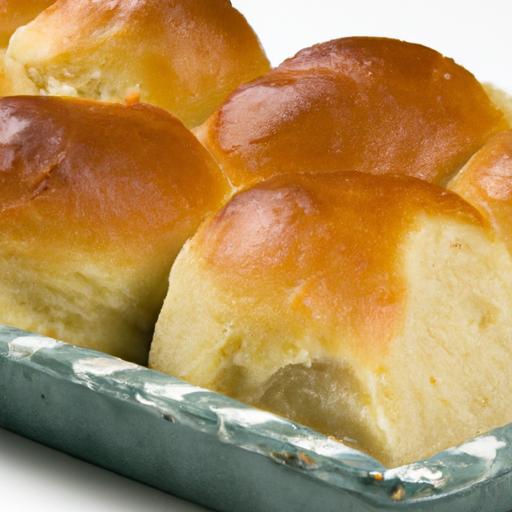

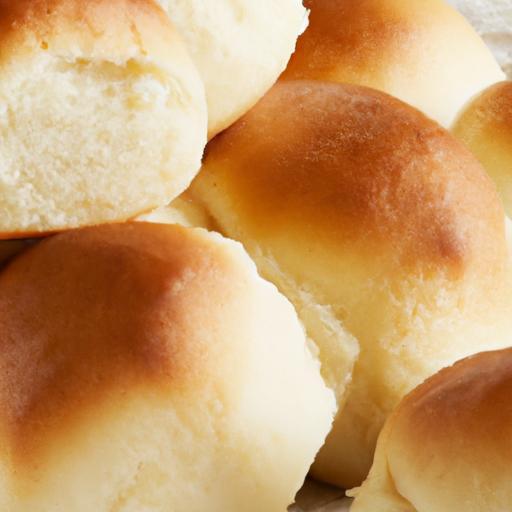
Fluffy, buttery, and irresistibly tender-Parker House Rolls have earned their place as a timeless staple on tables across America. Originating from the historic Parker House Hotel in Boston, this classic roll recipe has transcended generations, offering a perfect balance of rich flavor and pillowy texture. Whether gracing holiday feasts or elevating everyday meals, these rolls bring a comforting warmth that invites everyone to gather ’round and savor each bite. In this article, we’ll dive into the story behind Parker House Rolls and share the foolproof recipe you need today to bring this culinary tradition into your own kitchen.
Parker House Rolls stand as a true marvel in classic American baking, offering a soft, buttery, and irresistibly fluffy texture that has delighted tables for over a century. Originating from the historic Parker House Hotel in Boston, these rolls carry a legacy of comfort, elegance, and culinary simplicity that turns any meal into a memorable occasion.Mastering the perfect Parker House Rolls means embracing the balance of rich ingredients and careful technique to yield that signature pillowy softness and buttery golden crust.
prep and Cook Time
- Planning: 25 minutes
- Proofing: 1 hour 30 minutes (divided into two rises)
- Baking: 15-18 minutes
- Total Time: Approximately 2 hours 15 minutes
Yield
Approximately 12 delightfully soft and buttery Parker House Rolls
Difficulty Level
medium – Perfect for home bakers ready to refine their bread skills
Ingredients
- 3 ½ cups all-purpose flour, sifted
- ¼ cup granulated sugar
- 1 tablespoon instant yeast
- 1 teaspoon fine sea salt
- 1 cup whole milk, warmed (about 110°F)
- 4 tablespoons unsalted butter, melted, plus 3 tablespoons softened for brushing
- 1 large egg, room temperature
- Optional: extra melted butter for brushing after baking
Instructions
- Combine dry ingredients: In a large mixing bowl, whisk together the all-purpose flour, sugar, instant yeast, and salt until evenly distributed.
- prepare wet ingredients: In a separate bowl, whisk the warmed milk, melted butter, and egg until fully blended.
- make the dough: Pour the wet mixture into the dry ingredients. Stir with a wooden spoon or dough hook until a rough dough forms.
- Knead the dough: Transfer to a lightly floured surface and knead for 8-10 minutes until smooth and elastic. Alternatively, use a stand mixer with a dough hook on medium speed for 6-7 minutes. The dough should be soft but not sticky.
- First rise: Lightly oil a large bowl,place the dough inside,covering it with a damp towel or plastic wrap. let it proof in a warm, draft-free spot for 1 hour or until doubled in size.
- Shape the rolls: Punch down the dough gently and turn it onto a floured surface. Roll into a 12×8 inch rectangle. Cut into 12 equal squares. Brush each square lightly with softened butter.
- Fold and place: Fold each square in half diagonally, creating a half-moon shape, tucking the fold underneath. Place each roll seam side down, spaced about 1 inch apart, on a greased or parchment-lined baking pan.
- Second rise: cover the rolls loosely with plastic wrap and let rise for 30-40 minutes, until puffy but not overproofed. Preheat oven to 375°F during the last 10 minutes of this proof.
- Bake: Brush the tops with remaining softened butter. Bake the rolls for 15-18 minutes or until golden brown on top and cooked through. Avoid opening the oven early to ensure even rising.
- Finish: Remove from oven and immediately brush with additional melted butter for a warm, shiny, and flavorful crust. Cool for a few minutes before serving.
Tips for Success
- Warm Milk: Ensure your milk is warm but not hot to activate the yeast properly without killing it.
- Butter Temperature: Melted butter should be warm to combine easily, while the brushing butter should be just softened to retain moisture on the dough surface.
- Kneading: Don’t skip kneading as it develops gluten, which is essential for the soft yet structured crumb.
- Proofing Environment: A slightly warm and humid place helps yeast thrive – consider placing dough near a warm oven or in a microwave with a bowl of hot water.
- Make-ahead: prepare rolls the night before and refrigerate after shaping.Bring to room temperature and allow a 1-hour final rise before baking.
- Variations: Add freshly chopped herbs like rosemary or chives to the dough for a savory twist, or sprinkle coarse sea salt on top before baking.
Serving Suggestions and Creative Twists
Parker house Rolls are versatile companions, pairing beautifully with rich gravies, smoky barbecues, and creamy soups.serve warm with a pat of honey butter or alongside a holiday feast to impress your guests.For an indulgent touch, slice rolls horizontally and add slices of sharp cheddar and caramelized onions, then toast briefly for mini sliders that delight both adults and kids.
For brunch, consider spreading an herbed cream cheese or tangy cranberry sauce atop your rolls-each bite offering a perfect harmony of soft texture and vibrant flavor. Garnish your platter with fresh thyme sprigs or edible flowers for an elegant finish that elevates the rustic charm of these classic Parker House Rolls.

| Nutrient | per Roll |
|---|---|
| Calories | 180 |
| Protein | 4g |
| Carbohydrates | 26g |
| Fat | 6g |
Explore more appetizing bread recipes like our Soft Dinner Rolls Recipe for added inspiration. For an authoritative deep dive on bread science and techniques, visit the King Arthur Baking Guide.
Q&A
Q: What exactly are Parker House Rolls?
A: parker House Rolls are soft, buttery, slightly sweet yeast rolls with a signature folded shape that creates a delicate crust on the outside and a fluffy interior. Originating from BostonS Parker House Hotel in the late 19th century, these rolls have become a beloved classic at dinner tables across America.
Q: Why are Parker house Rolls so special compared to other dinner rolls?
A: Their light, pillowy texture combined with a golden, buttery crust sets Parker House Rolls apart. The magic lies in folding the dough in half before baking-it creates a delicate separation between rolls that makes them perfect for pulling apart and sharing.
Q: What ingredients do I need to make authentic Parker House Rolls?
A: The essentials are simple yet powerful: all-purpose flour,warm milk,sugar,active dry yeast,eggs,butter,and a pinch of salt. The richness of butter and milk gives these rolls their irresistible softness and flavor.
Q: How long does it take to make Parker House Rolls from start to finish?
A: Expect about 2 to 3 hours, including rising times. While the dough needs time to ferment and double in size, the hands-on prep is straightforward and well worth the wait.
Q: Can I make Parker House Rolls ahead of time?
A: Absolutely! You can prepare the dough the night before and let it rise slowly in the refrigerator. Then, shape and bake the rolls fresh when you’re ready. They also freeze beautifully for future meals-just reheat gently with a bit of butter for that fresh-baked charm.
Q: What’s the secret to getting that perfect golden crust?
A: Brushing the rolls with melted butter before and after baking locks in moisture and encourages that irresistible sheen and color. Don’t skip this buttery finale!
Q: Are Parker House rolls good for anything other than dinner?
A: Definitely. These rolls make fantastic sliders, midnight snacks, or even base layers for creative breakfast sandwiches. Their light texture and subtle sweetness make them incredibly versatile.
Q: Any tips for beginners attempting Parker House Rolls for the first time?
A: Patience is key. Make sure your yeast is active (warm milk helps), don’t skimp on the butter, and allow the dough to rise fully. Don’t worry if your rolls aren’t perfectly uniform-the charm of handmade Parker House Rolls is in their rustic, inviting look.
Q: What dishes pair best with parker House Rolls?
A: They’re perfect alongside hearty stews, roasted poultry, and holiday spreads. Think Thanksgiving turkey,glazed ham,or even a rich beef pot roast-the rolls soak up gravy and sauces effortlessly,elevating every bite.
Q: Where can I find more recipes inspired by Parker House Rolls?
A: Explore casseroles, bread puddings, or even creative bread bowls using these rolls as the base. Food bloggers and baking aficionados frequently enough put clever twists on the classic-think cinnamon butter topping or savory herb blends for a fresh take!
Concluding Remarks
Whether you’re baking for a holiday feast, a weeknight dinner, or simply craving the comforting warmth of a perfectly soft and buttery roll, Parker House rolls stand timeless as the quintessential companion to any meal. Their pillowy texture and golden crust aren’t just a product of ingredients-they’re the result of tradition,care,and a recipe that has stood the test of time. So next time you’re in the kitchen, give Parker House rolls a try and experience a bite of history that’s as delicious today as it was over a century ago. Because sometimes, the simplest classics are the ones we truly need.