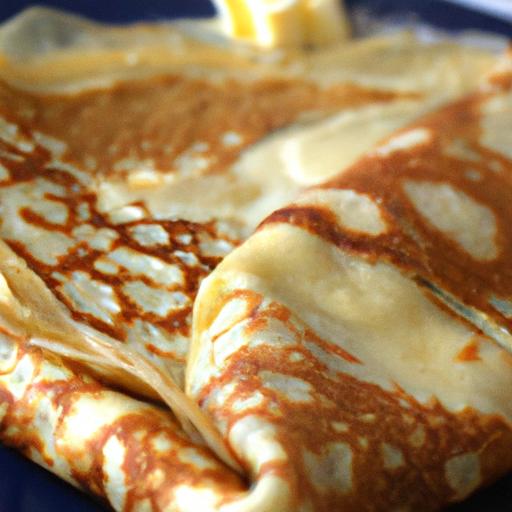

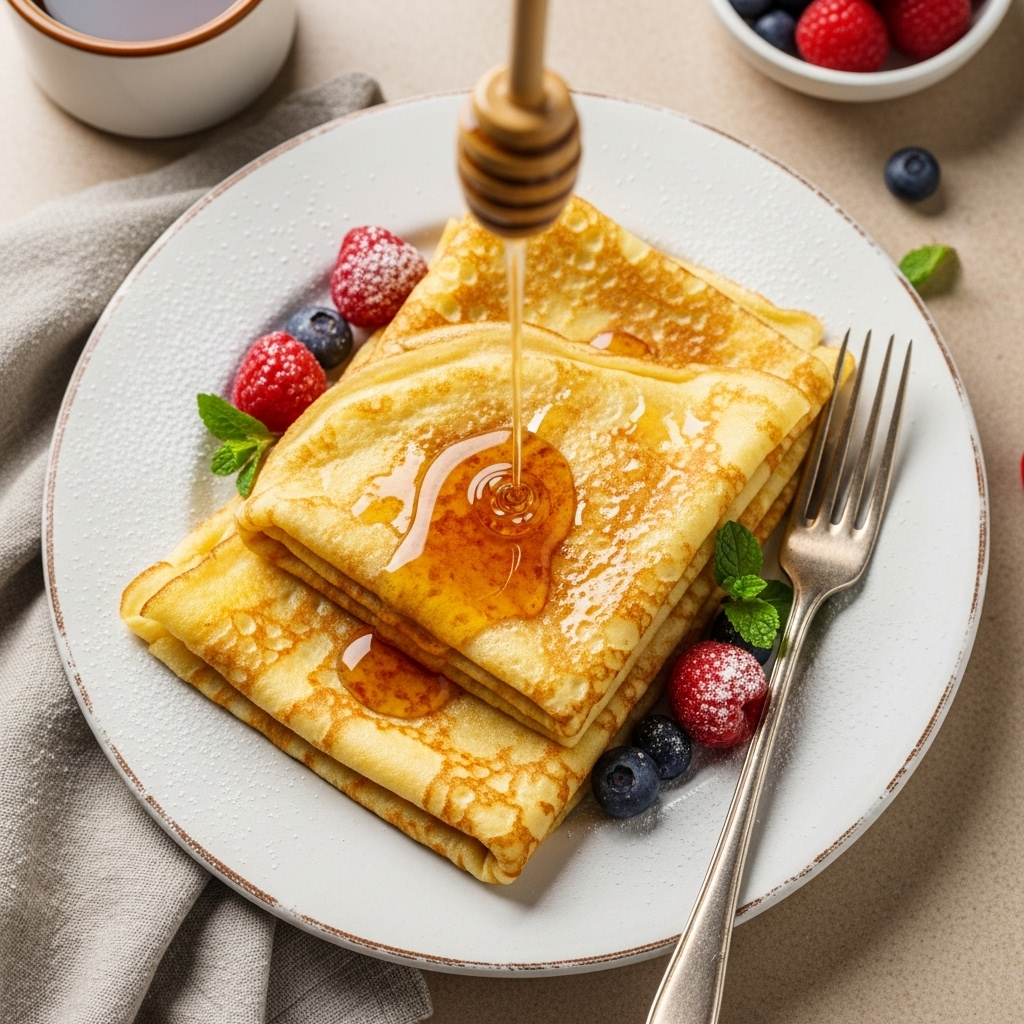
There’s something undeniably enchanting about the delicate dance of a thin, golden crêpe flipping effortlessly in a hot pan-an age-old ritual that captures the very essence of french culinary artistry. Mastering the art of French crêpes is more than just learning a recipe; it’s embracing a timeless tradition that transforms simple ingredients into a canvas of endless possibilities. Whether draped in luscious Nutella, sprinkled with fresh berries, or wrapped around savory fillings, the perfect crêpe promises a moment of pure indulgence. In this article, we’ll guide you through the classic recipe and essential techniques to help you create crêpes that are irresistibly tender, delightfully versatile, and worthy of savoring bite after bite. Get ready to turn your kitchen into a little Parisian bistro, one crêpe at a time.
Mastering french Crêpes begins with understanding the essential ingredients and techniques that create a perfectly smooth batter, setting the foundation for delicate, lace-like crepes with sublime texture. This timeless culinary ritual hails from Brittany, France, where crêpes have graced tables for centuries, beloved for their versatility and lightness.The magic lies not only in the batter but also in your choice of crêpe pan, the ideal cooking temperature, and inspired fillings to elevate every fold.
Prep and Cook Time
- Preparation: 15 minutes
- Resting batter: 1 hour
- Cooking: 20 minutes
- Total: 1 hour 35 minutes
Yield
Approximately 12 thin crêpes, serving 4 people
Difficulty Level
Medium – Requires attention to technique but accessible for passionate home cooks
Ingredients
- 1 cup all-purpose flour, sifted
- 2 large eggs, at room temperature
- 1 1/4 cups whole milk, warmed slightly
- 2 tablespoons unsalted butter, melted, plus extra for the pan
- 1 tablespoon granulated sugar (optional, for sweet crêpes)
- 1/4 teaspoon fine sea salt
- 1 teaspoon vanilla extract (optional, for sweet batter)
Instructions
- Combine dry ingredients: In a large mixing bowl, whisk together the sifted flour, sugar, and salt until evenly mixed.
- Create a well: Make a small well in the center and crack in the eggs.
- Start mixing: Gradually incorporate the eggs using a whisk, slowly adding the warm milk a little at a time to avoid lumps.This gradual blending results in a velvety batter.
- Add melted butter and vanilla: Stir in melted butter and vanilla extract until fully combined. The butter adds richness and prevents sticking during cooking.
- Rest the batter: Cover the bowl with plastic wrap and refrigerate for at least 1 hour. This crucial resting period hydrates the flour and relaxes the gluten for tender, elastic crêpes.
- Heat your crêpe pan: Place a non-stick or seasoned carbon steel crêpe pan over medium heat. Aim for a temperature where a few drops of water sizzle and evaporate immediately but do not burn – around 350°F (175°C).
- Butter the pan: Lightly brush the surface with softened butter before each crêpe to ensure a golden, crisp edge and effortless release.
- Pour and swirl: Using a 1/4 cup measuring cup, pour batter into the center, quickly swirling the pan to spread an even, thin layer.
- Cook until edges lift: Sauté the crêpe until the edges start to lift and bubble,about 1-2 minutes.
- Flip carefully: Using a wide spatula, gently flip and cook the second side for 30 seconds to 1 minute until lightly golden.
- Transfer and keep warm: Stack finished crêpes on a plate, covered with a clean towel to retain warmth and moisture.
Chef’s Notes: Tips for Success
- Smooth batter is key: If lumps persist, pass the batter through a fine sieve before resting.
- Pan choice matters: A classic carbon steel crêpe pan heats evenly and creates the ideal surface; avoid pans with high edges for better batter spreading.
- Temperature control: Adjust the heat between crêpes to avoid burning or undercooking; oil or butter will help regulate surface friction.
- Make-ahead magic: Batter can rest overnight in the fridge.Whisk before cooking for best results.
- gluten-free option: Substitute with buckwheat flour for authentic Breton-style galettes – perfect with savory fillings.
Creative Fillings and Toppings to Elevate Your French Crêpes
crêpes are a blank canvas waiting to be transformed. For a luxurious touch,spread a thin layer of ricotta mixed with honey and lemon zest and top with fresh berries. Savory lovers might enjoy sautéed mushrooms, goat cheese, and a sprinkle of fresh thyme. Classic combos like Nutella with sliced bananas or a simple squeeze of fresh lemon juice and powdered sugar never fail. For an elegant finish, drizzle warm Grand Marnier or caramel sauce over folded crêpes.
expert Tips for Serving and Storing Crêpes Like a Pro
- serve immediately: Crêpes are at their best slightly warm and pliable. Keep covered with a tea towel to lock in moisture.
- Stack thoughtfully: Place parchment paper between crêpes if stacking to prevent sticking.
- Reheating: Gently reheat in a non-stick pan or microwave wrapped in a damp paper towel for 20 seconds.
- Storage: Refrigerate leftover crêpes in an airtight container for up to 2 days or freeze flat in between parchment sheets for up to 1 month.
- Appearance: Garnish with fresh mint leaves, edible flowers, or a dusting of cocoa powder for a visually stunning plate.
Nutritional Information per Crêpe
| Calories | Protein (g) | Carbs (g) | Fat (g) |
|---|---|---|---|
| 110 | 4 | 15 | 4 |

For more inspiration,explore our French dessert recipes and transform your kitchen into a Parisian patisserie.
Q&A
Q&A: Mastering French Crêpes – A Classic Recipe to Savor
Q1: What makes French crêpes different from regular pancakes?
A: While both are cooked on a griddle, French crêpes are ultra-thin and delicate, with a lacy edge and a tender, slightly chewy texture. Unlike fluffy American pancakes,crêpes are versatile canvases-ready to be filled with anything from sweet jams to savory cheeses and mushrooms.
Q2: What are the essential ingredients for authentic French crêpes?
A: The classic crêpe batter is beautifully simple: flour, eggs, milk, a pinch of salt, and a touch of melted butter. Some cooks add a little sugar for sweetness or a splash of vanilla for aroma, but purists often keep it neutral to highlight the fillings.
Q3: How long should the batter rest before cooking?
A: Patience is key! Letting the batter rest at least 30 minutes (or up to 1 hour) in the fridge allows the flour to fully hydrate and the gluten to relax. This ensures smoother, more tender crêpes that don’t tear easily.
Q4: What’s the secret to cooking perfect crêpes every time?
A: Heat control is everything. use a non-stick or well-seasoned crêpe pan, keep it moderately hot, and lightly grease it with butter or oil.Pour just enough batter to thinly coat the pan and swirl quickly to spread evenly. Cook until the edges lift easily, then flip with confidence for a swift second side.
Q5: Can crêpes be made ahead and reheated?
A: Absolutely! Stack cooled crêpes separated by parchment paper, wrap tightly, and refrigerate for up to 2 days or freeze for longer storage. Reheat gently in a warm pan or microwave-crêpes love a warm comeback.
Q6: What classic fillings pair perfectly with French crêpes?
A: the sweet side is a playground of possibilities: Nutella and banana,lemon juice and sugar,or a simple spread of fresh jam. For savory cravings, consider ham and Gruyère cheese, sautéed mushrooms with garlic, or smoked salmon with crème fraîche and dill.
Q7: How can beginners avoid common crêpe-making pitfalls?
A: Avoid batter that’s to thick-aim for a thin cream consistency-and don’t overload the pan.Flip only once to prevent tearing, and remember: the first crêpe is frequently enough a trial run. Use it to adjust heat and technique.
Q8: Are there regional variations in crêpes across france?
A: Indeed! In Brittany, the heartland of crêpes, you’ll find hearty buckwheat galettes filled with savory ingredients. In Paris, thin wheat flour crêpes reign supreme, frequently enough paired with classic combinations like butter and sugar or apples and Calvados.
Q9: Why is mastering crêpes considered a culinary rite of passage?
A: Crêpes embody simplicity meeting skill-transforming humble ingredients into a dish that’s as elegant as it is comforting. Mastering the batter, perfecting the flip, and exploring endless fillings make crêpe-making a joyous blend of art and tradition.
Q10: What’s your final tip to savor the true essence of French crêpes?
A: Serve them fresh,fold with love,and savor each bite slowly. Whether breakfast, dessert, or dinner, French crêpes invite you to slow down and enjoy a timeless moment of culinary pleasure. Bon appétit!
Future Outlook
As you’ve uncovered the secrets behind crafting the perfect French crêpe, you’re no longer just following a recipe-you’re continuing a centuries-old tradition that celebrates simplicity, technique, and flavor. Whether folded around sweet berries and whipped cream or wrapped snugly with savory ham and cheese, your mastery opens a world of endless possibilities on a delicate, golden canvas. so next time you hear the sizzle of batter hitting the pan,remember: every crêpe you create is not just a dish,but a story-one meant to be shared,savored,and enjoyed bite by tender bite. Bon appétit!