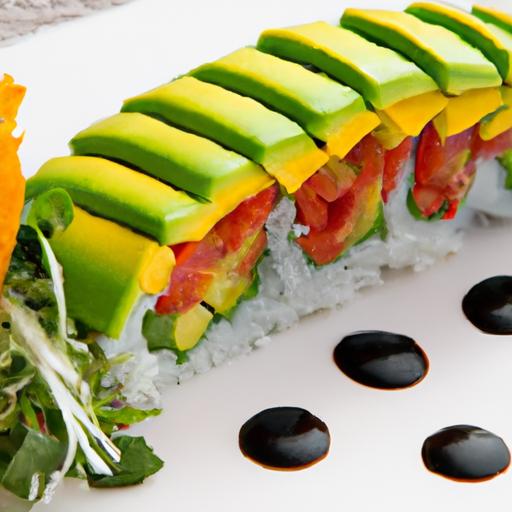

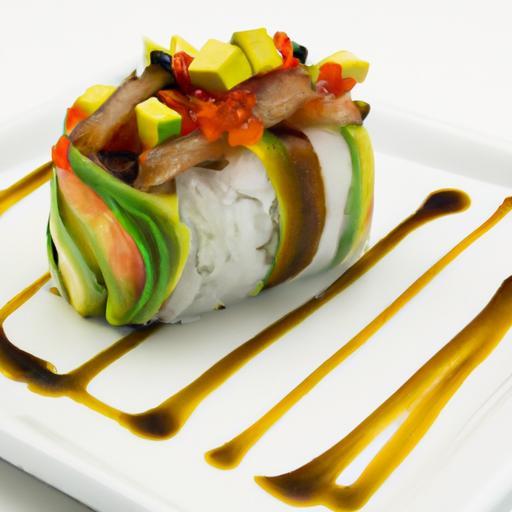
In the intricate world of sushi, where tradition meets artistry, the California roll emerges as a captivating tale of reinvention and cultural exchange. Born not in the bustling streets of Tokyo but along the sun-soaked coast of California, this iconic roll reflects a creative fusion that challenges the very definition of Japanese cuisine. “California Roll Unwrapped: Japan’s Sushi Reinvented” delves into how this beloved dish transcended borders,blending local ingredients with Japanese techniques to inspire a new wave of sushi evolution. Join us as we unwrap the story behind this culinary phenomenon, exploring how a humble roll transformed sushi from an exclusive delicacy into a global sensation, reshaping tastes and expectations in kitchens around the world.
California Roll Unwrapped invites you on a flavorful journey through one of the most iconic sushi transformations bridging Japan and America. This vibrant roll, bursting with fresh avocado, crisp cucumber, and sweet crab, embodies a revolution in conventional sushi-one that reshaped palates worldwide and brought raw fish hesitation to the most steadfast seafood skeptics. Let’s explore how this culinary marvel came to life,what defines its unique ingredient harmony,and how you can create this masterpiece right in your kitchen with foolproof techniques and perfect pairings.
Prep and Cook Time
- Preparation: 20 minutes
- Assembly: 15 minutes
- Total Time: 35 minutes
yield
serves 4 (makes approximately 8 California roll pieces)
Difficulty level
Medium - Ideal for home cooks looking to explore sushi rolling and ingredient balancing.
Ingredients
- 2 cups Japanese short-grain sushi rice, rinsed and cooked
- 2 ½ tablespoons rice vinegar
- 1 tablespoon granulated sugar
- 1 teaspoon fine sea salt
- 5 sheets nori (seaweed)
- 8 ounces imitation crab meat (surimi), shredded or sliced into strips
- 1 medium avocado, peeled, pitted, and sliced thinly
- 1 small English cucumber, julienned, seeds removed
- ½ cup mayonnaise (optional for creamy texture)
- 1 tablespoon masago (smelt roe) or tobiko (optional, for garnish)
- Sesame seeds, toasted, for coating and garnish
- Soy sauce, pickled ginger, and wasabi, for serving
Instructions
- Prepare the sushi rice: In a small saucepan, combine rice vinegar, sugar, and salt. Stir over low heat until dissolved. Gently fold this mixture into the warm cooked sushi rice. Let cool to room temperature, covering rice with a damp cloth to keep moist.
- Prepare your rolling station: Place a bamboo sushi mat on a clean surface and cover it with plastic wrap to prevent sticking.
- Assemble the rice on nori: Lay one sheet of nori shiny-side down on the mat. Wearing wet hands,evenly spread a thin layer of rice (about ⅓ cup) over the entire surface,pressing gently but firmly. Sprinkle a light layer of toasted sesame seeds over the rice.
- Flip and add filling: Carefully flip the nori and rice so that the seaweed faces up. Along the edge closest to you, lay crab meat strips, cucumber julienne, and avocado slices evenly.
- Roll it up: Lift the bamboo mat edge closest to you and begin rolling away from you, tucking the filling tightly inside as you go. Apply gentle pressure to form a compact roll. Unwrap the mat once fully rolled.
- Slice: Using a sharp, wet knife, slice the roll into 8 even pieces. Clean the knife between cuts to prevent sticking.
- Garnish and serve: If desired, brush a little mayonnaise atop each piece, sprinkle masago or tobiko, and add extra sesame seeds. Serve with soy sauce, pickled ginger, and wasabi for a full sushi experience.
Chef’s Notes: Tips for Success
- Rice texture is key: Use Japanese short-grain rice for stickiness and authentic mouthfeel. Fluff rice gently to retain steam and texture.
- if you want to skip imitation crab, cooked fresh crab or cooked shrimp can be a luxurious upgrade.
- For a vegan twist, substitute crab with marinated king oyster mushrooms or seasoned tofu.
- Keep your hands wet with water mixed with a splash of rice vinegar when handling sushi rice to prevent sticking.
- Invest in a sharp knife and wipe between slices for clean cuts.
- Prepare rolls freshly for best texture; however, you can make components ahead and assemble just before serving.
Serving Suggestions to Elevate Your California Roll Experience
Presentation enhances enjoyment.Place your sliced California rolls artfully on a rectangular sushi platter or bamboo mat to evoke an authentic ambiance. Garnish with thinly sliced fresh herbs like shiso or microgreens for a touch of vibrancy. Drizzle a light soy glaze or spicy mayo in zigzags beside the rolls and add a small mound of pickled ginger for palate cleansing. pair these rolls with a chilled glass of premium sake or a crisp, citrus-forward white wine such as Sauvignon Blanc. For non-alcoholic options, a green tea iced infusion with lemon elevates the flavors beautifully.
| Nutrition | Per Serving (2 pieces) |
|---|---|
| Calories | 190 kcal |
| Protein | 10 g |
| Carbohydrates | 28 g |
| Fat | 4 g |
For a deeper dive into sushi basics and rice preparation, check out our detailed guide on Mastering Sushi Rice.The California Roll continues to redefine traditional sushi, proving that creativity and cultural exchange in the kitchen can yield tasty, approachable innovations for every home cook.

Q&A
Q&A: California Roll Unwrapped - Japan’s Sushi Reinvented
Q1: What exactly is a California Roll?
A1: At first glance,the California Roll might look like a typical sushi roll,but it’s actually a creative American invention inspired by traditional Japanese sushi. Typically, it’s made with imitation crab (or real crab), avocado, cucumber, and sushi rice wrapped in seaweed – but flipped inside out, with the rice on the outside, making it more approachable to Western palates.
Q2: How did the California Roll come to be?
A2: The origins of the California roll are part culinary legend and part cultural crossover. It’s widely credited to Japanese chefs working in Los angeles in the 1960s and 70s who wanted to introduce sushi to Americans unfamiliar with raw fish and seaweed. By substituting raw fish with cooked crab and hiding the seaweed inside, the California Roll became a gateway sushi, blending familiarity with novelty.Q3: Why is the california Roll considered a reinvention of Japanese sushi?
A3: Traditional sushi often celebrates the rawness and purity of seafood-raw tuna, salmon, or eel wrapped plainly with rice and seaweed.The California Roll flips this concept literally by putting rice on the outside and using cooked or accessible ingredients like avocado and crab. This reversal and ingredient swap represent a creative adaptation, respecting sushi’s essentials while reinventing its form and flavor to suit new tastes.Q4: Has the California Roll influenced sushi culture globally?
A4: Absolutely. The California Roll paved the way for ‘fusion sushi,’ inspiring chefs worldwide to experiment with local ingredients and new presentations. From fruity mango rolls to spicy tuna tempura creations, the concept of sushi as a versatile canvas began with innovations like the california Roll. It broadened sushi’s appeal from a traditional Japanese dish to a global culinary adventure.
Q5: Are California Rolls popular in Japan?
A5: Interestingly, while the California Roll is beloved internationally, it’s less common in Japan itself. Japanese sushi culture tends to favor ingredient purity and simplicity, but modern Japanese cuisine does embrace some international influences, so you might find variations in trendy sushi spots. The California Roll remains a shining example of how sushi transcends borders, evolving through cultural exchange.Q6: Can you make a California Roll at home easily?
A6: Yes! One of the charms of the California Roll is its accessibility. You don’t need raw fish or complicated techniques. With sushi rice, nori sheets, avocado, cucumber, and crab or imitation crab, you can roll your own delicious California Roll in your kitchen. plus, making it yourself lets you customize fillings, try vegan versions, or add your own twists.
Q7: What makes the California Roll a symbol of culinary creativity?
A7: It’s a story of adaptation and innovation-taking a centuries-old Japanese tradition and tailoring it to a new audience without losing its heart. The California Roll symbolizes how food evolves through cultural dialog, embracing change while honoring roots. It reminds us that cuisine is a living art, always ready to be reinvented to delight fresh palates.
Whether a sushi purist or a curious foodie, unwrapping the California Roll reveals more than just rice and crab-it uncovers a delicious tale of reinvention, cultural fusion, and the joyful evolution of taste.
Closing Remarks
As the final grain of rice settles and the seaweed wraps draw back, the California roll stands as a testament to sushi’s boundless adaptability. What began as a bold reinvention-melding American ingredients with Japanese technique-has blossomed into a global icon that bridges cultures and palates alike. By unwrapping the story behind this beloved roll, we not only savor its flavors but also appreciate the vibrant dialogue between tradition and innovation that continues to shape the world of sushi.Whether you’re a purist or a curious foodie, the California roll invites you to taste the delicious possibilities that emerge when culinary worlds collide.