
In the vibrant world of culinary delights, few dishes capture the essence of simplicity and sophistication quite like pesto pasta. Wiht its lush green hue and fragrant burst of fresh basil, pine nuts, garlic, and Parmesan, pesto transforms ordinary pasta into a celebration of flavor and tradition. But beyond its alluring aroma and taste lies a fascinating blend of art and science-where technique meets ingredient chemistry to unlock the full potential of this timeless sauce. In this article, we’ll dive deep into the alchemy behind pesto pasta, exploring how mastering both the craft and the chemistry can elevate your cooking from merely good to unforgettable. Prepare to unravel the secrets that make each forkful a harmonious dance of taste and texture.
Unlocking flavor starts with the magic of fresh, vibrant ingredients that ignite the senses and transform a simple dish into an unforgettable experience.In this recipe, the bright, herbaceous notes of basil blend seamlessly with the creamy richness of pine nuts and Parmesan, creating a pesto sauce that is both classic and versatile. Each element plays a pivotal role, amplifying taste while honoring tradition and subtly welcoming innovation.
Prep and Cook Time
- Readiness: 15 minutes
- Cooking: 10 minutes
- Total Time: 25 minutes
Yield
Serves 4 generous portions
Difficulty Level
Easy – perfect for both kitchen novices and seasoned cooks looking to refine their craft
Ingredients
- 2 cups fresh basil leaves, packed and washed thoroughly
- 1/2 cup pine nuts, lightly toasted
- 1/2 cup freshly grated Parmesan cheese
- 2 cloves garlic, peeled
- 1/2 cup extra virgin olive oil, cold-pressed
- Salt, to taste
- freshly ground black pepper, to taste
- 1 lb dried pasta (trofie, linguine, or spaghetti recommended)
- Juice of half a lemon (optional, for brightening the sauce)
Instructions
- Toast the pine nuts: Place pine nuts in a dry skillet over medium heat. Stir often until golden brown and aromatic, about 3-5 minutes. Set aside to cool.
- Prepare the pesto base: In a food processor, combine basil leaves, toasted pine nuts, and garlic cloves. Pulse a few times until coarsely chopped.
- Add cheese and olive oil: With the processor running, slowly drizzle in the olive oil until the mixture emulsifies into a creamy sauce. Stop and scrape down sides as needed.
- Season: Stir in grated Parmesan, then season with salt and freshly cracked black pepper. Optionally, add a few drops of lemon juice to lift the flavors.
- Cook the pasta: Bring a large pot of salted water to a boil. Cook pasta according to package instructions until al dente-firm to the bite. Reserve ½ cup of pasta water before draining.
- Toss pasta and pesto: Return hot pasta to the pot, add the pesto sauce and enough reserved pasta water to achieve a silky coating. Toss gently to combine evenly.
- Serve immediately: Plate the pesto pasta in warmed bowls. Garnish with extra Parmesan, a drizzle of olive oil, and a few whole pine nuts for texture.
tips for Success
- Choosing basil: Use fresh, young basil leaves without blemishes for the brightest flavor and deepest green colour.
- Toasting pine nuts: Never skip this step. It enhances the nutty aroma and adds complexity to your pesto.
- Oil temperature: Use cold-pressed, high-quality olive oil at room temperature to keep the sauce fresh and vibrant.
- Pasta pairings: Trofie, linguine, or spaghetti’s textures complement the pesto’s creamy consistency perfectly-avoid very thick or ridged pasta to maintain balance.
- Make ahead: Pesto can be refrigerated in an airtight container for up to 2 days. Add a thin layer of olive oil on top to prevent oxidation.
- adjust consistency: Use reserved pasta water incrementally as it contains starch to bind and smooth the pesto coating on the pasta without diluting flavor.
Serving Suggestions
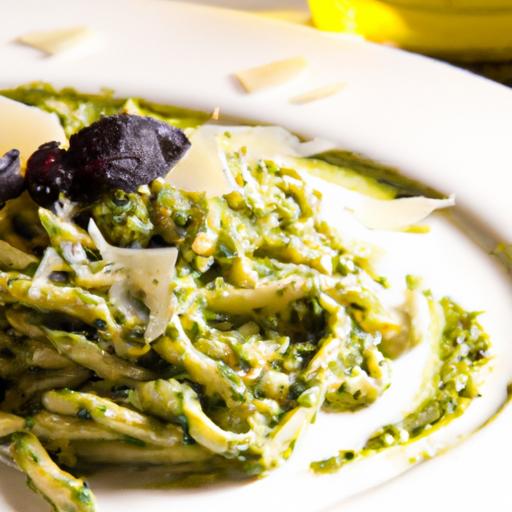
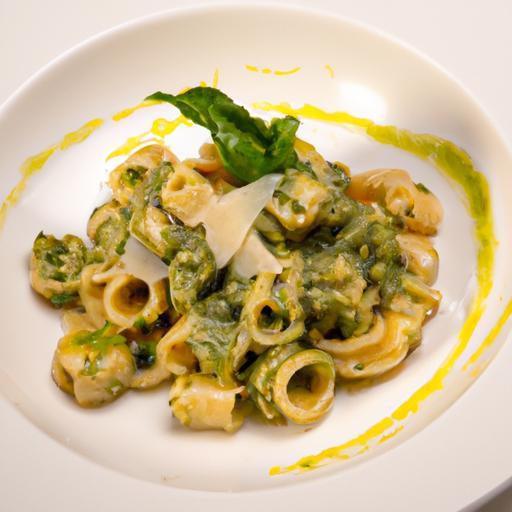
Elevate your presentation by twirling nests of pesto pasta onto warm plates, allowing the glossy herbs and specks of cheese to catch the light. Garnish with a few whole basil leaves,toasted pine nuts,and a delicate shaving of aged Parmesan. Serve alongside a crisp white wine like Vermentino or Sauvignon Blanc to accentuate the herbaceous undertones of the pesto. For added flair, a light drizzle of balsamic glaze or a sprinkle of lemon zest can introduce a subtle contrast, enhancing the dish’s vibrant personality.

Nutritional Details
| nutrient | Per Serving |
|---|---|
| Calories | 420 kcal |
| protein | 15 g |
| Carbohydrates | 48 g |
| Fat | 18 g |
For a deeper dive into pasta-making techniques and sauce pairing,explore our related post on Mastering Pasta Techniques. To understand the nutritional benefits of basil and its antioxidants,visit Healthline’s detailed guide.
Q&A
Q&A: Unlocking Flavor – The Art and Science of Pesto Pasta
Q1: What makes pesto pasta such a beloved dish around the world?
A1: Pesto pasta captivates our taste buds by marrying fresh, vibrant ingredients with a simple yet powerful cooking technique. The genius lies in its balance-herbaceous basil, nutty pine nuts, sharp aged cheese, fragrant garlic, and fruity olive oil-all blended into a luscious sauce that clings lovingly to each strand of pasta. It’s a celebration of freshness and tradition, delivering intense flavor with minimal fuss.
Q2: How does the quality of ingredients affect the final pesto?
A2: In pesto, quality isn’t just critically importent-it’s everything. Every ingredient plays a starring role, so sourcing fresh basil leaves free from bruising, fragrant extra-virgin olive oil, robust Parmigiano-Reggiano, and fresh pine nuts transforms a simple sauce into a flavor symphony. Even the garlic’s pungency and the saltiness of the cheese amplify the layers of taste. Using top-notch ingredients ensures the pesto sings with brightness and depth.
Q3: Why is the technique of making pesto so crucial to its flavor and texture?
A3: The method behind pesto-making is an art form.Traditionalists grind ingredients with a mortar and pestle, gently bruising the basil to release its oils without turning it bitter. This slow process preserves the vibrant green color and fresh aroma. Over-blending in a food processor, by contrast, can oxidize the basil and generate heat, dulling flavors and creating a less appealing texture. The right technique balances texture-velvety yet slightly coarse-and allows flavors to meld perfectly.
Q4: Can any type of pasta be paired with pesto, or are some choices better?
A4: Pesto’s thick, oily consistency loves to cling to ridged or shaped pastas that trap the sauce in every nook and cranny. Trofie, trenette, fusilli, and even cavatappi are classic companions. Long, smooth strands like spaghetti work too, especially if tossed vigorously to coat each strand evenly. The key is that the pasta’s surface and shape complement the sauce’s texture, ensuring every bite bursts with pesto’s vibrant flavor.
Q5: How can you elevate a conventional pesto pasta into a gourmet experience?
A5: Elevation starts with respect for fundamentals-top ingredients and pristine technique-then layers of creativity. Consider adding toasted walnuts or almonds for a nutty twist, a splash of lemon juice or zest for brightness, or even a touch of cream for silky richness. Pairing pesto pasta with accompaniments like roasted cherry tomatoes, grilled shrimp, or fresh burrata can transform a humble plate into a feast. Presentation matters too: a sprinkle of flaky sea salt,finely grated cheese,or a drizzle of high-quality olive oil finishes the dish with finesse.
Q6: Is pesto pasta only a summer dish, or can it be enjoyed year-round?
A6: While fresh basil pesto feels quintessentially summery due to basil’s seasonal peak, pesto pasta can certainly shine any time of year. Off-season, you can explore alternatives like kale, arugula, or spinach pesto that bring their own unique flavors and nutrition. Frozen or frozen-then-blanched basil can also work in a pinch. The evergreen appeal is its freshness and bright herbal notes, proving that pesto pasta is as adaptable as it is delicious.
Unlocking the magic of pesto pasta is part science, part artistry-a timeless dance of fresh ingredients, deft technique, and creative spirit.Whether a simple weeknight meal or an impressive dinner centerpiece,pesto pasta invites all who taste it to savor the pure joy of flavor.
The Way Forward
As we twirl our forks through vibrant strands of pesto pasta, we’re reminded that this beloved dish is much more than a simple meal-it’s a harmonious blend of tradition, chemistry, and creativity. Unlocking the full flavor of pesto pasta invites us to appreciate the delicate dance between fresh ingredients and mindful technique, where basil’s aromatic oils meet the perfect pinch of salt, and the creamy embrace of Parmesan melds with the earthiness of pine nuts. Whether your a seasoned chef or a curious home cook, embracing the art and science behind pesto pasta transforms each bite into a celebration of flavor’s endless possibilities. So next time you dive in,savor not just the taste,but the story and technique behind every luscious forkful.