

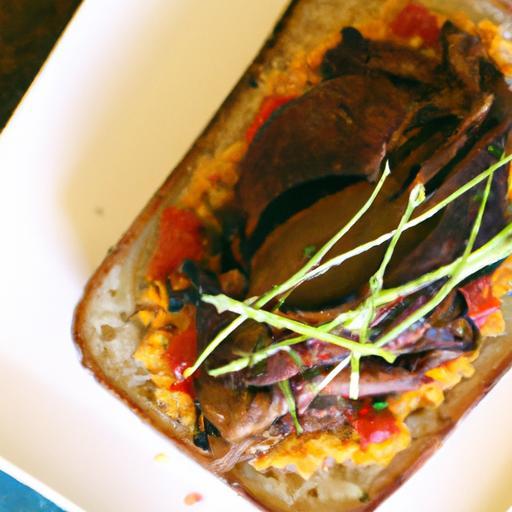
In teh bustling streets of South Africa, where vibrant cultures collide and flavors burst at every corner, a humble yet legendary dish reigns supreme: bunny Chow.Born from necessity and elevated to a culinary icon, this unassuming loaf of bread hollowed out and stuffed with spicy curry tells a story far richer than its simple ingredients. “Bunny Chow Unwrapped: South Africa’s Iconic Street Feast” invites you on a flavorful journey into the heart of a nation’s street food tradition-where history, community, and a tantalizing mix of spices come together to create a feast that’s as bold and unique as South Africa itself.
Bunny Chow Unwrapped: South Africa’s Iconic Street Feast is more than just a meal; it’s a vivid story of resilience, community, and culinary fusion. This iconic dish, originating in Durban’s bustling Indian quarters, emerged as a practical solution for workers craving a satisfying, portable lunch. hollowed-out loafs of soft white bread stuffed with spicy, aromatic curry became an instant favorite – a true comfort food that continues to define South African street cuisine.
Prep and Cook Time
- Preparation: 20 minutes
- Cooking: 40 minutes
- Total: 1 hour
Yield
Serves 4 generously
Difficulty Level
Medium – approachable with some attention to layering flavors and curry consistency
Ingredients
- 1 large white bread loaf (unsliced, crusty but soft inside)
- 500g chicken thighs, boneless, skinless, cut into bite-sized pieces
- 2 tablespoons vegetable oil
- 1 large onion, finely chopped
- 3 cloves garlic, minced
- 1 tablespoon grated fresh ginger
- 2 fresh green chilies, chopped (adjust to taste)
- 2 teaspoons ground coriander
- 1 teaspoon ground cumin
- 1 teaspoon turmeric
- 1 tablespoon garam masala
- 1 tablespoon curry powder
- 1 can (400g) chopped tomatoes
- 1 cup chicken stock
- 1 teaspoon sugar
- Salt and freshly ground black pepper, to taste
- Fresh coriander leaves for garnish
- Optional: 1/2 cup frozen peas or potatoes, cubed
Instructions
- Prepare the bread: Slice the loaf into quarters. Hollow out each quarter with your hands or a knife, leaving about 1 cm thick ‘walls’ around the edges. Set aside the removed bread for dipping.
- Sauté the aromatics: Heat vegetable oil in a heavy-bottomed pan over medium heat. Add chopped onions and sauté until translucent and golden,about 7 minutes. Stir occasionally to prevent burning.
- Add ginger, garlic, and chilies: Stir in the minced garlic, grated ginger, and chopped green chilies. Cook 2 minutes until fragrant.
- Spice it up: Sprinkle in ground coriander,cumin,turmeric,garam masala,and curry powder. Stir continuously for 1-2 minutes to toast the spices and deepen their aroma.
- Cook the chicken: Add chicken pieces to the pan, stirring to coat well with spices. Cook until the edges turn white, about 5 minutes.
- Add tomatoes and stock: Pour in canned tomatoes and chicken stock, stirring to combine. Add sugar,salt,and pepper. Bring to a gentle simmer.
- Simmer and thicken: reduce heat to low, cover partially, and let the curry simmer for 25-30 minutes. Stir occasionally to prevent sticking. If using peas or potatoes, add them midway through the cooking time.
- Adjust seasoning and consistency: If the curry is too watery, increase heat and cook uncovered for 5-10 minutes. Taste and adjust salt and spice levels as preferred.
- Assemble the Bunny Chow: Ladle the hot curry generously into each hollowed bread quarter. Garnish with fresh coriander leaves.
- Serve instantly: Offer the reserved bread pieces on the side for dipping and enjoy your authentic Bunny Chow feast.
Tips for Success
- For a vegetarian version, substitute chicken with chickpeas, potatoes, and green beans for a hearty vegetable curry.
- Use day-old bread if available; it holds up better without getting soggy too quickly.
- To kick up the heat, add a pinch of cayenne or fresh bird’s eye chili.
- Make the curry a day ahead to let flavors deepen – it often tastes better the next day.
- Keep your curry thick enough to prevent soggy bread, but saucy enough to enjoy the dipping experience.
Serving Suggestions
Serve your Bunny chow with a chilled mango lassi or a cold South African lager for a balanced, refreshing contrast. Sprinkle with fresh chopped coriander and a wedge of lemon to brighten the dish. Accompany with simple cucumber salad or pickled vegetables to add crunch and acidity, perfect for cutting through the rich curry flavors.

| Nutrient | Per Serving |
|---|---|
| Calories | 580 kcal |
| Protein | 35 g |
| Carbohydrates | 50 g |
| Fat | 20 g |
A flavorful Journey Through Bunny Chow Variations Across Regions
The magic of Bunny Chow lies in its versatility. Durban remains the spiritual home of this dish, typically featuring lamb or chicken curries rich in Indian spices. However, as Bunny Chow spread across South Africa, regional twists have flourished. In Johannesburg,you’ll often encounter beef or mutton versions enhanced with tomato-based sauces and chili heat. cape Town locals sometimes enjoy Bunny Chow loaded with seafood curries that embody coastal flavors. Each region adds a distinct twist, reflecting local ingredients, cultural influences, and spice preferences, making Bunny Chow unwrapped an endlessly exciting dish to explore and recreate.
To deepen your understanding of South African street foods and explore related flavors, check out our detailed guide on south African street Food Delights.
For an authoritative taste of the dish’s historical context, visit the South African History Online’s article on Bunny Chow.
Q&A
Q&A: Bunny Chow Unwrapped – South Africa’s Iconic Street Feast
Q1: What exactly is bunny Chow?
A1: Bunny Chow, affectionately known as “bunny,” is South Africa’s beloved street food treasure-a hollowed-out loaf of white bread filled to the brim with spicy curry. Originating from Durban, this hearty, handheld curry sandwich combines the comfort of carb and spice in a uniquely South African way.
Q2: How did Bunny Chow get its unusual name?
A2: Despite what the name might suggest, Bunny Chow has nothing to do with rabbits! The most popular theory traces its name to the “banyan men”-Indian traders who carried their meals wrapped in bread during the apartheid era. Another idea is that it evolved from a playful twist on “bun,” referring to the bread, and “chow,” meaning food. Whatever the origin, the name has stuck and become iconic.Q3: What’s inside a traditional Bunny Chow?
A3: The classic Bunny chow is stuffed with a spicy Durban-style curry, frequently enough made from mutton, chicken, lamb, or beans for the veggie lovers. The curry is richly flavored with fragrant spices like turmeric, coriander, and cumin, simmered until tender and saucy-ready to soak into the bread.
Q4: why is Bunny Chow considered more than just street food?
A4: Bunny Chow isn’t just a meal-it’s a symbol of cultural resilience and culinary fusion. Born from the Indian immigrant communities under the hardships of apartheid, it represents ingenuity and the blending of diverse cultures. Today,it’s a appetizing ambassador of South africa’s rich history and vibrant street food scene.Q5: How should one eat a Bunny Chow?
A5: With your hands and a hearty appetite! The top “lid” of the bread is usually used as a spoon to scoop up the curry. Expect a messy, satisfying experience-no forks needed. Sharing a Bunny Chow with friends or locals is the best way to soak up the communal vibe of South African street life.
Q6: has Bunny Chow evolved over time?
A6: Absolutely. While the original recipe stays rooted in Durban’s curry traditions, modern cooks experiment with all sorts of fillings-from seafood to bobotie-inspired blends.Some serve it with different bread types or add fresh chutneys and pickles, turning bunny Chow into a versatile canvas for creativity.
Q7: Where can tourists best experience authentic Bunny Chow?
A7: Head to durban’s bustling streets, especially the Indian Quarter, where vendors serve piping hot Bunny Chow straight from metal canisters. Johannesburg and Cape Town also boast vibrant spots offering this iconic dish, each with their own regional flair and spice levels.
Q8: What makes Bunny Chow a must-try for food lovers?
A8: It’s a flavorful journey wrapped in simplicity-a perfect harmony of soft bread and robust curry that tells a story with every bite. Beyond taste, it’s a cultural experience, connecting you to South Africa’s dynamic history, diverse communities, and its love of bold, comforting food.
Whether your a spice aficionado, a street food enthusiast, or a curious traveler, Bunny Chow invites you to dig in, embrace the mess, and savor a true taste of south Africa’s soul.
Insights and Conclusions
As the sun sets over the bustling streets of Durban, the aroma of spiced curry tucked inside a hollowed-out loaf of bread lingers in the air-a fragrant reminder that Bunny Chow is more than just a meal; it’s a vibrant chapter in South Africa’s culinary story. This humble street feast, born from the ingenuity of Indian laborers, has grown into a beloved symbol of cultural fusion and community spirit. Whether enjoyed on a busy pavement or in a cozy kitchen,Bunny Chow invites us to savor history,heritage,and hearty flavors all at once. So next time you bite into this iconic dish, remember: you’re tasting a legacy that’s as rich and layered as the curry itself, unwrapped and ready to be celebrated.