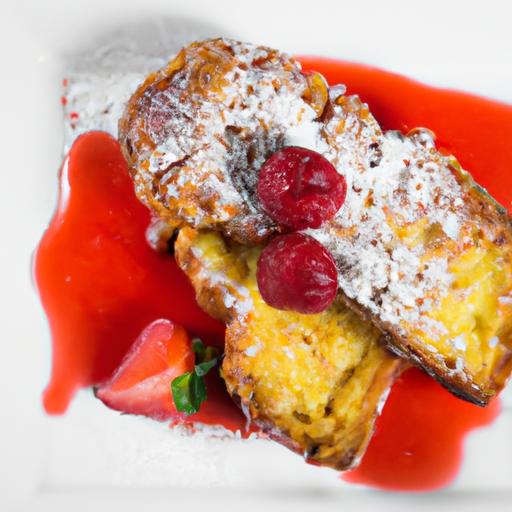


ThereS a timeless magic in the humble breakfast plate, adn few dishes embody this enchantment quite like pain perdu. Often known simply as French toast, pain perdu-literally “lost bread”-transforms day-old loaves into golden, custardy delights that whisper tales of frugality, tradition, and indulgence all at once. But beyond the familiar comforts lies a vibrant world of reinterpretation,where chefs and home cooks alike are pushing the boundaries of this classic,turning it into a canvas for innovation and surprise. In “Pain Perdu Uncovered: The Art of French Toast Reimagined,” we peel back the layers of this beloved dish to explore its rich history, diverse variations, and the contemporary twists that elevate it from simple morning fare into an exquisite culinary experience. Join us as we uncover how pain perdu continues to captivate palates and inspire creativity in kitchens across the globe.
Pain Perdu Uncovered reveals the enchanting story of a humble French toast that transforms stale bread into a luscious, comforting dish cherished worldwide.Originating as a clever way to rescue day-old baguettes, pain Perdu-literally meaning “lost bread”-has evolved into a breakfast classic that balances simplicity wiht decadence.This recipe post invites you to master the perfect custard soak for that irresistibly fluffy texture, explore innovative flavor infusions, and discover gourmet pairings that elevate each bite into an experience.
Prep and Cook Time
Preparation: 15 minutes
Cooking: 15 minutes
Total: 30 minutes
Yield
Serves 4 generous portions
Difficulty Level
Easy to Medium – perfect for beginners seeking breakfast flair or seasoned cooks wanting a creative twist
Ingredients
- 6 thick slices day-old brioche or challah bread
- 3 large eggs, preferably free-range
- 1 cup whole milk or half-and-half for richer custard
- 2 tablespoons granulated sugar
- 1 teaspoon pure vanilla extract
- 1/2 teaspoon ground cinnamon
- Pinch of fine sea salt
- 3 tablespoons unsalted butter for frying
- Optional: zest of half a lemon or orange for bright notes
instructions
- Prepare the custard soak: In a wide, shallow bowl, whisk together the eggs, milk, sugar, vanilla extract, cinnamon, salt, and zest if using. The mixture should be smooth and aromatic.
- Soak the bread slices: Dip each slice of bread into the custard soak, allowing it to absorb without becoming soggy-about 20 seconds per side. Stale bread is ideal as it holds the custard better, resulting in fluffier French toast.
- Heat the pan: Warm a large skillet or griddle over medium heat and melt a tablespoon of butter until foamy but not browned.
- Cook the toast: Place soaked bread slices onto the skillet. Sauté until golden brown, approximately 3-4 minutes per side. Adjust heat as needed to avoid burning while ensuring the center cooks thoroughly.
- Repeat for all slices: Add butter as necessary between batches to keep the crust crisp and buttery.
- Serve immediately: Stack slices and add your favorite toppings or pairings.
Tips for Success
- Use day-old bread: Fresh bread holds less custard and can become mushy. Stale bread soaks up the custard while maintaining structure.
- Custard consistency: For a fluffier texture, half-and-half or cream enriches the custard, but whole milk keeps it lighter.
- Flavor infusions: Experiment with adding nutmeg, cardamom, or a splash of rum to the custard for unique aromas.
- Make-ahead option: Soak bread slices the night before, cover, and refrigerate. Cook fresh in the morning for convenience.
- Avoid overcrowding: Fry in batches to maintain even heat and perfect browning.
Serving Suggestions
present your Pain Perdu on rustic plates, layering with fresh berries, a dusting of powdered sugar, and a drizzle of pure maple syrup or honey. For an elevated touch, add a dollop of mascarpone or whipped crème fraîche paired with toasted nuts or a compote of stone fruits. Crisp bacon or smoked salmon also complement the sweetness for a balanced brunch. Garnish with edible flowers or a light sprinkle of citrus zest to entice the eyes.
Innovative Flavor Infusions to Elevate Your French Toast
Transform Pain Perdu Uncovered by infusing your custard with unexpected delights.Try a lavender-honey combination for floral complexity, or mix in espresso powder for a mocha twist. Coconut milk and pandan leaves can transport the dish to tropical flair, while citrus extracts enhance brightness. Let your creativity guide you to stunning new flavor profiles that harmonize perfectly with the classic buttery crust and tender crumb.
| Nutrient | Per Serving |
|---|---|
| Calories | 320 kcal |
| Protein | 10 g |
| Carbohydrates | 35 g |
| Fat | 15 g |
For further exploration,check out our detailed guide on Classic Breakfast Recipes and elevate your brunch repertoire. to dive deeper into French culinary heritage, France.fr’s gastronomy section offers rich cultural insights and inspiration.

Q&A
Q&A: Pain Perdu Uncovered – The Art of French Toast Reimagined
Q1: What exactly is Pain Perdu, and how dose it differ from the typical French toast we know?
A1: Pain Perdu, literally meaning “lost bread” in French, is the ancestor of what many call French toast. Traditionally, it was a humble way to revive stale or “lost” bread by soaking it in a rich custard and frying it to golden perfection. Unlike some modern versions that can lean toward sweet or cakey, Pain Perdu embraces a balance of texture and subtlety-crispy edges, soft interior, and a delicate hint of vanilla or citrus. It’s less about drowning in syrup and more about honoring the bread’s resurrection.
Q2: Why is Pain Perdu considered an art form rather than just a breakfast dish?
A2: Because Pain Perdu demands patience, precision, and passion. It’s a culinary dance between timing and texture. To master the custard soak-rich enough to infuse flavor but gentle enough to avoid sogginess-is an art in itself. The frying technique, too, requires an intuitive touch: just enough heat to achieve that perfect caramelized crust without scorching. Each slice tells a story of transformation,turning forgotten crumb into an elegant indulgence.
Q3: How can one elevate Pain Perdu beyond customary sweetness?
A3: Think beyond maple syrup and powdered sugar. Infuse your custard with spices like cardamom or star anise, or a splash of Grand Marnier for aromatic complexity.Serve with fresh figs and a dollop of tangy crème fraîche,or a sprinkle of toasted nuts for crunch. For savory twists, omit sugar from the custard, add herbs like thyme or chives, and pair with smoked salmon or sautéed mushrooms. Pain Perdu’s canvas is vast-embrace creativity.Q4: What type of bread works best for making Pain Perdu, and why?
A4: Stale or day-old bread is your secret weapon-it soaks just right without falling apart. Classic choices include brioche, challah, or a rustic country loaf. Brioche lends buttery richness,challah adds a subtle sweetness and tender crumb,and country bread brings a hearty chew and open texture. The key is sturdy bread with enough crumb to hold the custard but porous enough to absorb flavors deeply.
Q5: Can Pain Perdu be made ahead,or is it best enjoyed fresh?
A5: While freshly cooked Pain Perdu reigns supreme-warm,crisp,and aromatic-you can prepare the custard-soaked slices ahead and refrigerate them briefly before cooking. Some chefs even bake Pain Perdu in a casserole form for a make-ahead brunch centerpiece.For best results, toast just before serving to recapture that irresistible crispness. It’s about balancing convenience with that magical fresh-from-the-pan experience.
Q6: What cultural meaning does Pain Perdu hold in French cuisine?
A6: Pain Perdu embodies the French ethos of “waste not, want not,” turning humble leftovers into something sublime. It’s a dish of resourcefulness and comfort, frequently enough tied to family traditions and leisurely weekend breakfasts. Beyond the plate, it whispers of history-farmhouse kitchens, market breads, and the warm glow of morning light in provincial france. It’s not just food; it’s a connection to heritage and mindful eating.
Q7: How can beginners approach making Pain Perdu without fear?
A7: Start simple: choose good bread and mix a basic custard of eggs, milk, a splash of vanilla, and a pinch of sugar. Soak slices for a minute or two per side-longer if the bread is dense. Fry on medium heat with a bit of butter until golden brown, flipping once. Taste and adjust as you go. Remember, perfection is less about precision and more about love and exploration. Each attempt brings you closer to your ideal slice of Pain Perdu.
Insights and Conclusions
As we close the chapter on this delicious journey through the art of Pain Perdu, it becomes clear that French toast is far more than a humble breakfast staple. It is indeed a canvas-one that invites creativity, tradition, and a touch of indulgence. Whether soaked in custard rich with vanilla and cinnamon, or reimagined with unexpected ingredients and bold flavors, pain Perdu continues to captivate palates and inspire kitchens around the world. So next time you hear the sizzle of bread meeting butter in a pan, remember: your not just making French toast-you’re partaking in a timeless culinary dance that celebrates both heritage and innovation. Bon appétit!