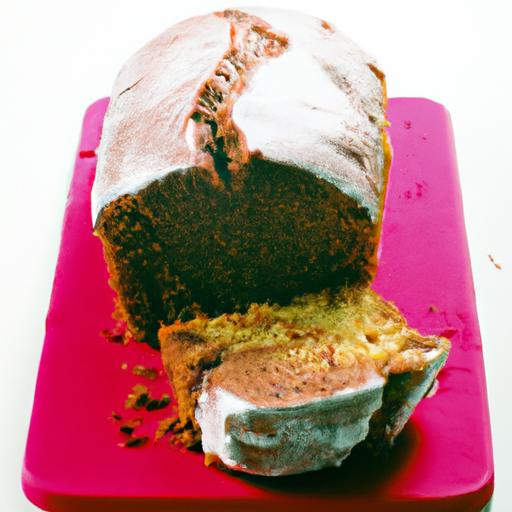

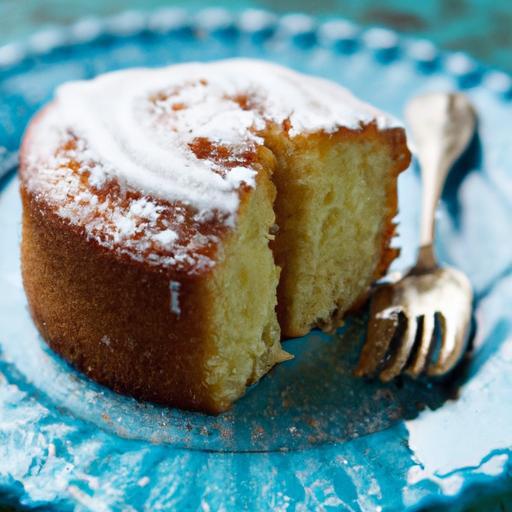
There’s a magic woven into the very fibers of a perfect sponge cake-a delicate dance of flour, eggs, and sugar that transforms simple ingredients into an ethereal cloud of sweetness. Fluffy and light, yet rich with flavor, sponge cake has long held a cherished place in kitchens and celebrations around the world. Its timeless appeal lies not just in its taste, but in the artistry behind its creation: the careful folding, the precise beating, the subtle balance that lifts it from ordinary to extraordinary. In this exploration of the art of sponge cake, we’ll uncover the secrets that make these treats irresistibly soft, marvel at their airy texture, and celebrate why they continue to enchant generations of bakers and dessert lovers alike.
Mastering the perfect sponge cake texture is an art that transforms simple ingredients into a cloud-like masterpiece. From the delicate crumb to the springy softness, achieving that signature fluffy texture calls for both technique and attention to detail. As you embark on this delightful journey, you’ll discover how to elevate your sponge cake from ordinary to extraordinary by carefully selecting ingredients, understanding the baking environment, and experimenting with creative flavors and fillings.
Prep and Cook Time
- Planning: 20 minutes
- Baking: 25-30 minutes
- Cooling: 15 minutes
Yield
One 9-inch round sponge cake, serves 8-10
Difficulty Level
Medium – beginner bakers with patience will enjoy mastering this recipe!
Ingredients
- 4 large eggs, at room temperature
- 1 cup granulated sugar
- 1 cup all-purpose flour, sifted
- 1/4 cup cornstarch, sifted
- 1 tsp baking powder
- 1/4 tsp salt
- 1/4 cup whole milk, warmed
- 2 tbsp unsalted butter, melted and cooled
- 1 tsp pure vanilla extract
- Optional: zest of one lemon or orange for added brightness
Instructions
- Preheat your oven to 350°F (175°C). lightly grease a 9-inch round cake pan and line the bottom with parchment paper to ensure easy release.
- In a large mixing bowl, whisk the eggs and sugar together using an electric mixer on high speed. Continue whipping for about 7-10 minutes until the mixture is pale,thick,and forms ribbons when the whisk is lifted – this is the key to that airy sponge cake texture.
- In a separate bowl,sift together the flour,cornstarch,baking powder,and salt. This ensures even distribution and a light crumb.
- Gently fold the dry ingredients into the egg mixture in three parts using a spatula. Employ a gentle folding motion - down, across, and up – to avoid deflating the air bubbles you worked so hard to create.
- Warm the milk slightly and stir in the melted butter and vanilla extract, and if using, citrus zest.Slowly drizzle this wet mixture over the batter and fold in carefully but thoroughly to maintain fluffiness.
- Pour the batter into your prepared pan and gently tap it on the counter to release any large air bubbles.
- Bake for 25-30 minutes or until the top is golden and a toothpick inserted into the center comes out clean.Avoid opening the oven door during the first 20 minutes to prevent collapse.
- Remove from the oven and let the cake cool in the pan for 10 minutes before transferring it to a wire rack. Cool wholly to room temperature before slicing or decorating.
Tips for Success: Mastering the Perfect Sponge Cake Texture
- Room Temperature Eggs: Using eggs at room temperature promotes better volume when whipped.
- Whipping Eggs Thoroughly: Don’t rush the egg and sugar stage – this is where your light texture originates.
- Folding Technique: Always fold ingredients gently to keep the air trapped.
- Oven calibration: Ensure your oven temperature is accurate; a baking thermometer can help avoid under or overbaking.
- Flour Choice: Using a low-protein flour or a mix with cornstarch softens the crumb.
- Make-Ahead: Sponge cake freezes beautifully wrapped tightly in plastic wrap for up to 2 months.
- Flavor Variations: Experiment with almond extract, matcha powder, or coffee for delightful variations.
Serving Suggestions
This sponge cake is a perfect canvas - layer it with fresh whipped cream and seasonal berries for a classic experience, or spread rich lemon curd and dust with powdered sugar for a tangy twist. For an elegant touch, use edible flowers or a light glaze made from warmed apricot jam to give it a glossy finish. Serve it alongside a cup of fragrant tea or espresso to elevate your tasting experience.
Creative Flavors and Fillings
Imagine transforming the traditional sponge cake by infusing the batter with finely grated ginger and folding in toasted coconut for a tropical flair. Alternatively, sandwich layers with luscious chocolate ganache and sprinkle crushed pistachios for textural contrast. The art of sponge cake comes alive when paired with unexpected,yet harmonious,flavor combinations.
| Nutritional Information (per slice) | Calories | Protein | Carbs | Fat |
|---|---|---|---|---|
| Sponge Cake | 180 | 4 g | 30 g | 5 g |
| Whipped Cream (2 tbsp) | 60 | 0.5 g | 1 g | 6 g |
| Fresh Berries (1/4 cup) | 20 | 0.3 g | 5 g | 0 g |
Explore more on perfect cake baking techniques in our Baking Techniques Guide.For scientific insight into cake chemistry, visit the King Arthur Baking Science Hub.

Q&A
Q&A: The Art of Sponge Cake - Fluffy,Light,and Timeless Treats
Q1: What exactly makes a sponge cake different from other cakes?
A1: Sponge cake is the featherweight champion of the baking world,prized for its airy,delicate crumb. Unlike butter-heavy cakes, it relies on whipped eggs and minimal fat to create its signature fluffiness. This technique gives sponge cake its ethereal lightness-almost like biting into a sweet, cloud-like dream.
Q2: Why is the whipping of eggs so crucial in sponge cake making?
A2: Eggs are the magic ingredient that transform batter into a lofty masterpiece. When you whip eggs (sometimes whole, sometimes just whites), you trap tiny air bubbles inside. These bubbles act like microscopic balloons expanding in the oven’s heat, lifting the cake to its lofty height. Without proper whipping, your sponge risks turning dense or flat.
Q3: What tips help achieve the perfect sponge cake texture?
A3: Precision and patience are key. Use room-temperature eggs for better volume, sift your flour gently to avoid weighing down the batter, and fold ingredients carefully to keep those precious air bubbles intact. Also, a preheated oven ensures the sponge rises steadily and bakes evenly, locking in the light texture.
Q4: Is it possible to make a sponge cake without butter or oil?
A4: Absolutely! Traditional sponge cakes frequently enough use little to no fat, relying on eggs for moisture and structure. This absence of butter creates that classic dry-but-soft crumb perfect for soaking up syrups, fillings, or frostings. Though, some modern recipes add a touch of fat to enrich flavor without sacrificing lightness.
Q5: How versatile is sponge cake in desserts?
A5: Sponge cake is a blank canvas in the dessert world. It can be layered with fresh fruits and whipped cream, rolled into delicate Swiss rolls, soaked with fragrant syrups like coffee or citrus, or used as the base for elaborate trifles and gateaux. Its mild flavor and airy texture make it endlessly adaptable.
Q6: Can sponge cake be made gluten-free or vegan?
A6: Yes, with creativity.Gluten-free flours like rice or almond can substitute wheat flour, though they may slightly alter texture. Vegan versions swap eggs for aquafaba (chickpea water) or whipped tofu, which mimic the leavening and binding properties of eggs. These adaptations require a bit of experimentation but can achieve surprisingly fluffy results.Q7: What is the historical significance of sponge cake?
A7: Sponge cake dates back centuries, with early recipes appearing in European cookbooks during the Renaissance. Its simplicity and lightness captured the culinary imagination of bakers, symbolizing both elegance and comfort. Over time, it evolved into various regional delights-think italian pan di spagna or British Victoria sponge-each carrying a piece of timeless tradition.Q8: how should sponge cake be stored to maintain freshness?
A8: Sponge cake loves to be enjoyed fresh but can stay delightful if stored properly. Wrap it tightly in plastic wrap to prevent drying, and keep it at room temperature if consuming within a couple of days. For longer storage, freeze slices individually wrapped; thaw gently to preserve its tender crumb.
Q9: Can novice bakers master sponge cake easily?
A9: With a sprinkle of patience and a dash of care, yes! Sponge cake is forgiving once you understand the basics-whipping eggs, gentle folding, and careful baking. Each attempt hones your intuition, making the journey as rewarding as the flavorful, fluffy outcome.
Q10: What is the best way to serve sponge cake?
A10: Serve it with a smile and your favorite accompaniments. Whether topped with fresh berries and whipped cream, drizzled with a vibrant fruit coulis, or paired with a cup of fragrant tea or coffee, sponge cake shines best when shared and savored slowly.After all, its timeless charm is in every airy bite.
To Wrap It Up
In the delicate dance of flour, eggs, and sugar, the sponge cake emerges as more than just a dessert-it is indeed a timeless testament to culinary artistry. Its airy texture and subtle sweetness invite both novice bakers and seasoned pâtissiers to explore the magic of simple ingredients transformed by technique and patience. whether enjoyed plain, layered with creams, or adorned with fresh fruit, the sponge cake remains a symbol of comfort and party. As you venture into the art of crafting these fluffy delights, remember that each rise and fold carries with it centuries of tradition, inviting you to create your own slice of history-light, tender, and utterly unforgettable.