
Beneath the shimmering skies of the Nile Valley, where ancient civilizations once flourished along the life-giving river, a verdant treasure has been simmering on hearths for millennia. molokhia, frequently enough hailed as the “green gold” of Middle Eastern and North African kitchens, is more than just a soup-it is indeed a culinary bridge linking the past and present. This emerald-hued dish, made from the delicate leaves of the jute plant, carries with it stories of pharaohs, nomads, and farmers alike, each spoonful whispering secrets of a time when food was both nourishment and heritage. Join us as we dive deep into the rich history, cultural significance, and tantalizing flavors of Molokhia, exploring why this ancient green soup continues to captivate taste buds and traditions along the Nile.
Molokhia, the ancient green soup that has nourished the Nile Valley for centuries, is more than just a dish-its a culinary story steeped in history, culture, and flavor. Beloved across Egypt, Sudan, and beyond, this silky, herbaceous stew offers a distinct taste that connects families to their roots, evoking warmth around every meal. Growing up near the Nile, I remember the comforting aroma of fresh molokhia simmering in my grandmother’s kitchen, its vibrant green color signaling both nourishment and tradition. today, we explore how to recreate this iconic dish while honoring its origins and embracing modern culinary creativity.
Prep and Cook Time
- Planning: 15 minutes
- Cooking: 25 minutes
- Total Time: 40 minutes
Yield
Serves 4 generous portions
Difficulty Level
Medium - Requires attention to leaf prep and seasoning balance
Ingredients
- 500g fresh molokhia leaves, finely chopped (or 150g frozen molokhia leaves)
- 1 whole chicken (about 1.2 kg), cut into pieces
- 6 cups chicken broth
- 6 garlic cloves, minced
- 2 tablespoons olive oil or ghee
- 1 teaspoon ground coriander
- 1 lemon, cut into wedges
- Salt and freshly ground black pepper, to taste
- 1 medium onion, quartered
- Optional: 1 small bunch of fresh cilantro for garnish
Instructions
- Prepare the chicken broth: In a large pot, add the chicken pieces, quartered onion, salt, and enough water to cover. Bring to a boil,then lower the heat and simmer for 30 minutes until tender. Skim off any impurities for a clear broth.
- Remove the chicken: Take out the chicken and shred it into bite-sized pieces. Strain the broth and set aside 6 cups for the molokhia soup.
- Chop the molokhia leaves: If using fresh leaves, wash thoroughly, strip off stems, and chop finely with a sharp knife. This step is crucial to achieve the soup’s signature silky texture.
- Cook the molokhia: Pour the chicken broth back into the pot and bring to a gentle simmer. Slowly stir in the chopped molokhia leaves, allowing them to wilt but not overcook, about 5-7 minutes.
- Create the garlic-coriander t’leya (sauce): In a small pan, heat the olive oil or ghee over medium heat. Add the minced garlic and ground coriander. Sauté until fragrant and slightly golden, about 3 minutes, stirring constantly to avoid burning.
- Combine and season: Pour the garlic-coriander mixture into the simmering molokhia soup. Add the shredded chicken back in,stir well,and adjust salt and pepper to taste. Let it warm through for 2-3 minutes.
- Serve promptly: Ladle the molokhia into bowls, garnish with fresh cilantro if desired, and offer lemon wedges on the side. A squeeze of lemon brightens the rich flavors beautifully.
Chef’s Notes and Tips for Success
- Fresh vs. frozen molokhia: Fresh leaves yield the best flavor and texture, but frozen is a convenient choice. Avoid canned varieties as they tend to be overly slimy.
- Chopping molokhia: Finely chopping leaves is essential to prevent a grainy texture. Use a sharp knife or food processor on a low pulse.
- Balancing garlic and coriander: The magic of molokhia lies in the t’leya.Adjust garlic and coriander quantities to your preference, but ensure the garlic is properly sautéed for a mellow finish.
- Make-ahead tip: Prepare the broth and shredded chicken in advance. Store separately from molokhia leaves. Assemble and cook the soup just before serving for optimal freshness.
- Modern twist: For a smoky depth, add a pinch of smoked paprika to the garlic-coriander sauce or finish with a drizzle of browned butter infused with chili flakes.
Serving Suggestions
Traditionally, molokhia is served over fluffy steamed white rice or alongside warm Egyptian flatbread such as baladi. Pairing it with roasted lemon wedges enhances its complex herbal notes. Consider offering a crisp cucumber and tomato salad dressed with sumac and olive oil to balance the richness. For an authentic touch, serve a side of slow-cooked lamb or fried calamari, reflecting Nile valley feasting customs.
| Nutrient | Per Serving |
|---|---|
| Calories | 320 kcal |
| Protein | 38 g |
| Carbohydrates | 8 g |
| Fat | 12 g |

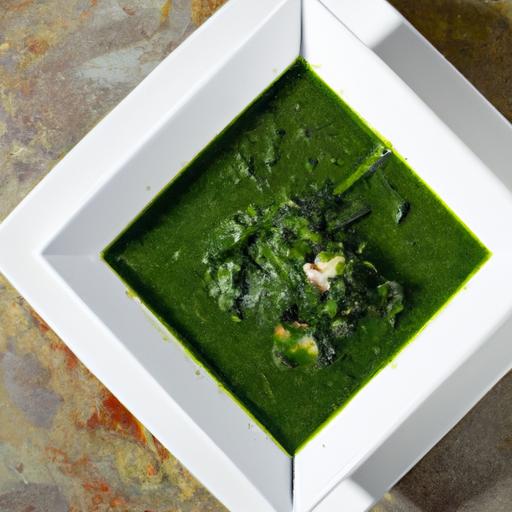
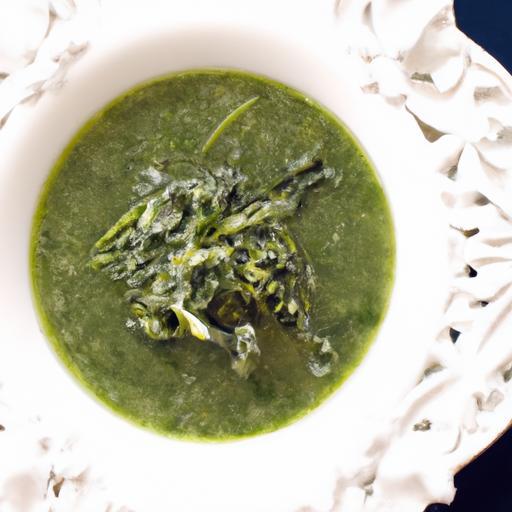
Close-up of freshly prepared Molokhia soup highlighting its vibrant green color and tender chicken.
Discover more about the rich culinary legacy of Egyptian dishes in our Traditional Egyptian Recipes Collection.For detailed nutritional data on leafy greens and their health impacts, visit the nutrition.org resource.
Q&A
Q&A: molokhia – exploring the Ancient Green Soup of the Nile Valley
Q1: What exactly is Molokhia?
A1: Molokhia is a luscious,emerald-green leafy soup or stew,traditionally made from the leaves of the jute plant (Corchorus olitorius).often described as slightly viscous with a subtle, earthy flavor, Molokhia has been cherished for centuries across the Nile Valley, especially in Egypt, Sudan, and parts of the levant. It’s more than just a dish-it’s a cultural emblem steeped in history.
Q2: Where did Molokhia originate, and how old is this dish?
A2: The roots of Molokhia trace back to ancient Egypt, over 4,000 years ago! Archaeological evidence and historical texts refer to the consumption of the jute leaves during the time of pharaohs. It’s believed that this green soup was a royal favorite, nourishing citizens along the fertile banks of the Nile, which continue to be the heartland for Molokhia’s culinary tradition.
Q3: What makes Molokhia unique compared to other leafy green dishes?
A3: Unlike many greens that are simply boiled or sautéed, Molokhia leaves are finely chopped or mashed into a thick, almost gelatinous broth, lending it a slippery, silky texture-sometimes likened to okra soup but with a milder tang. The preparation also calls for a fragrant medley of garlic and coriander, which infuse the soup with a distinctive aroma and warmth unmatched by other green soups.
Q4: How is molokhia traditionally prepared and served?
A4: Typically, fresh Molokhia leaves are plucked, de-stemmed, and finely shredded. They’re then simmered in chicken or beef broth, garlic, and ground coriander. The green soup is served hot over a bed of fluffy rice or alongside warm, crusty bread, often accompanied by roasted chicken, rabbit, or lamb. In some regions, it’s enjoyed with a squeeze of lemon juice, enhancing the flavors with a zesty bite.
Q5: Are ther variations of Molokhia across different cultures?
A5: Absolutely! While egyptian Molokhia is perhaps the most famous, in Lebanon and syria, the dish is frequently enough cooked with lamb and flavored with different spices. Sudanese versions may add okra or peanuts, adding texture and richness. Even within Egypt, regional twists abound-from varying the broth’s base to the side dishes served-highlighting the soup’s versatility and deep cultural integration.
Q6: What nutritional benefits does molokhia offer?
A6: Molokhia is a nutritional powerhouse.Rich in vitamins A, C, and E, iron, calcium, and fiber, it supports eye health, boosts immunity, and aids digestion.The jute leaves contain antioxidants and anti-inflammatory compounds, making this soup not only tasty but deeply nourishing-truly a gift of the Nile Valley to wellness.
Q7: How can someone new to Molokhia best enjoy this ancient green soup?
A7: Jump in with an open mind and a hungry heart! Start with a classic Egyptian version-fresh leaves simmered with garlic and coriander broth, served with rice and chicken. The magic is in the texture and aroma. Pair it with light, fresh sides like pickles or salad, and don’t be shy to add a dash of lemon. Each spoonful carries centuries of heritage-allow the flavors to transport you to the sunlit banks of the nile.
Molokhia isn’t just food; it’s a living culinary tradition-a silky, green thread weaving together the past and present of the Nile Valley. From royal tables to humble homes, its story invites us to savor history one spoonful at a time.
Future Outlook
As the leaves of Molokhia continue to steep in history and flavor, this ancient green soup remains a vibrant thread woven through the culinary tapestry of the nile Valley. More than just a dish, Molokhia is a living testament to the enduring connection between land, culture, and community. Whether savored in the bustling markets of Cairo or recreated in kitchens far beyond Egypt’s borders, its rich, earthy essence invites us to taste not only a meal but a story centuries in the making. By exploring Molokhia, we don’t just uncover a recipe-we unlock a timeless dialog between past and present, nourishing both body and heritage in every savory spoonful.