
Crisp, vibrant, and bursting with flavor, spring rolls have long been a beloved staple in kitchens and street markets across Asia and beyond. More than just a flavorful appetizer, these delicate parcels offer a engaging glimpse into centuries of culinary tradition and cultural exchange. In “Spring Rolls Unwrapped: A Crisp Journey Through Tradition,” we peel back the layers of history and technique behind this iconic dish, exploring how humble ingredients transform into a globally cherished treat. Join us as we unravel the stories, secrets, and regional twists that make spring rolls much more than just a tasty bite.
Spring Rolls Unwrapped: Origins and Cultural Significance of Spring Rolls Across Asia
spring rolls unwrapped reveal an extraordinary culinary journey spanning diverse Asian cultures. This beloved dish, with its delicate wrapper and vibrant fillings, carries centuries of tradition, bridging flavors from China’s Jiangsu province to Vietnam’s bustling street markets, and beyond. Whether enjoyed as a festive treat or an everyday snack, spring rolls embody a unique harmony of texture and taste that speaks volumes about the region’s rich cultural heritage and ingenious craftsmanship.
prep and Cook Time
- Planning: 25 minutes
- Cooking: 15 minutes
- Total Time: 40 minutes
Yield
Approximately 12 spring rolls (serves 4)
Difficulty Level
Medium - perfect for adventurous home cooks looking to master balance and texture.
Ingredients
- 12 spring roll wrappers (preferably fresh or thawed rice paper or thin wheat-based wrappers)
- 2 cups shredded cabbage
- 1 cup julienned carrots
- 1 cup shiitake mushrooms, finely chopped
- 1/2 cup cooked vermicelli noodles, hydrated and drained
- 1/2 cup shredded cooked chicken (optional for a non-vegetarian option)
- 3 cloves garlic, minced
- 1 tablespoon soy sauce
- 1 teaspoon toasted sesame oil
- Fresh herbs: 1/4 cup chopped cilantro, 1/4 cup chopped Thai basil
- Salt and white pepper to taste
- Vegetable oil for frying
Instructions
- Prepare the filling: In a large skillet over medium heat, add a splash of oil and sauté minced garlic until fragrant, about 30 seconds. Add shiitake mushrooms and cook for 4-5 minutes until softened.
- Add vegetables: Stir in shredded cabbage and julienned carrots. Sauté for 3-4 minutes until slightly wilted but still crisp.
- Combine seasonings and noodles: Add soy sauce, sesame oil, and cooked vermicelli noodles. If using, fold in shredded chicken. Season with salt and white pepper to taste.Mix well and remove from heat. Let the filling cool slightly.
- Assemble the rolls: Place a spring roll wrapper on a clean, damp cloth or surface. Spoon approximately 2 tablespoons of filling near one edge. Add a few sprigs of fresh cilantro and Thai basil.
- roll carefully: Fold the sides over the filling, then roll tightly but gently to enclose all filling, creating a neat cylinder.
- Heat the oil: In a deep skillet or wok, heat 2 inches of vegetable oil to 350°F (175°C). Carefully add spring rolls in batches.
- Fry until golden and crisp: Fry for about 3-4 minutes, turning occasionally to ensure even crispness. Remove and drain on paper towels.
- serve immediately for that signature crunch, or keep warm in a low oven (200°F/90°C) until ready to serve.
Tips for Success
- Wrapper selection matters: rice paper provides a lighter,translucent shell but requires delicate handling and can be dipped briefly in warm water before filling. Wheat-based wrappers yield a sturdier, golden fry.
- Balance your filling: Incorporate crunchy and tender vegetables for textural contrast and avoid sogginess by draining ingredients well.
- Even frying temperature: Maintain consistent oil heat to prevent greasy or undercooked rolls-use a thermometer when possible.
- Make ahead: Prepare filling a day in advance and assemble rolls just before frying to keep wrappers from drying out.
- Vegetarian variations: Swap chicken for tofu or additional mushrooms and veggies to explore new flavor dimensions.
innovative Filling Ideas to Elevate Your Spring Roll Experience
Reimagine tradition by integrating ingredients such as grilled shrimp paired with mango and mint, or a vibrant medley of roasted sweet potatoes, kale, and quinoa for a hearty plant-based twist. For a fusion flair, try spicy Korean kimchi with thinly sliced beef, or fresh Mediterranean-inspired fillings like roasted red peppers, feta, and spinach. These inventive combinations enrich the spring rolls unwrapped experience with unexpected textures and tastes.
Mastering Dipping Sauces and Presentation for Every Occasion
A perfectly crafted spring roll beckons a complementary dipping sauce to enhance its flavor profile.Classic Vietnamese nuoc cham-featuring fish sauce, lime juice, sugar, garlic, and chili-offers a bright, savory-sour punch that cuts through the fried crispness. For a sweeter option, hoisin-based peanut sauces add richness and depth. When plating, consider vibrant garnishes such as finely sliced chilies, toasted sesame seeds, and a scattering of fresh herbs to create an inviting visual feast. Serve your spring rolls on bamboo leaf-lined platters or rustic wooden boards to evoke their authentic roots and elevate any gathering.
| Nutritional Information (Per Roll) | Amount |
|---|---|
| calories | 120 kcal |
| Protein | 5 g |
| Carbohydrates | 15 g |
| Fat | 5 g |
For those eager to dive deeper into customary Asian appetizers, check out our complete Asian Appetizers Guide. Additionally, explore the historical dimensions of spring rolls on Britannica for a well-rounded understanding.

Q&A
Q&A: Spring Rolls Unwrapped - A Crisp Journey Through Tradition
Q1: What exactly are spring rolls,and why are they so beloved across cultures?
A1: Spring rolls are delicate parcels of flavor-thin wrappers encasing a medley of fresh,vibrant ingredients. Originating from East and Southeast Asia, these crispy delights symbolize renewal and prosperity, often enjoyed during festivals and family gatherings. their beloved status comes from their perfect balance of texture and taste: the satisfying crunch of the wrapper paired with savory, sweet, or fresh fillings that vary wildly by region.
Q2: How did spring rolls evolve through history?
A2: Spring rolls have roots that stretch back centuries to ancient China, where they were initially filled with fresh vegetables to celebrate the coming of spring. Over time, as trade routes expanded and cultures mingled, fillings grew more diverse-incorporating meats, seafood, and spices-while the wrappers transformed from steamed pancakes to the crisp, fried golden skins we recognize today. Each culture imprinted its own culinary identity on the dish, creating a tapestry of variations that tell stories of migration and innovation.
Q3: What distinguishes the various types of spring rolls found across Asia?
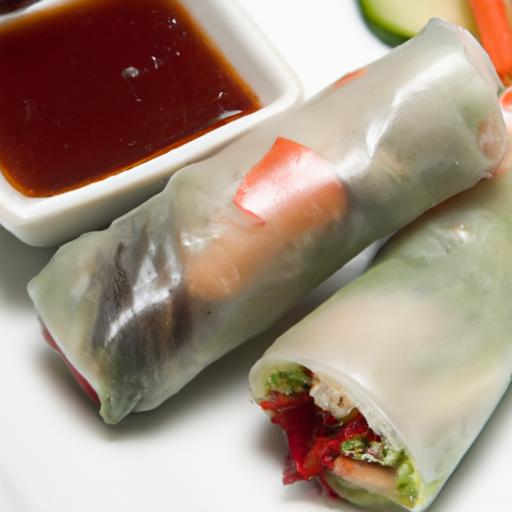
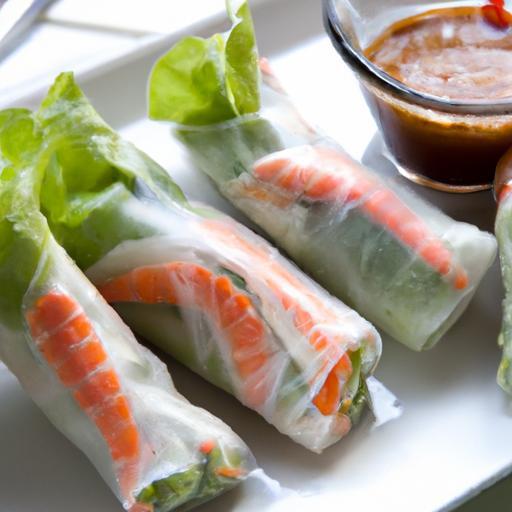
A3: The diversity of spring rolls is a testament to regional tastes and traditions. In Vietnam, fresh spring rolls (Gỏi cuốn) are translucent rice paper rolls brimming with herbs, shrimp, and vermicelli, served cool and dipped in peanut sauce. Meanwhile, in northern China, the sweeter, fried versions often feature shredded vegetables and sometimes sweet bean paste. Thailand’s spring rolls are spicier with clear glass noodles, while the Filipino lumpia embraces a savory meat filling with an extra-crispy shell. Each version offers a unique sensory snapshot of its homeland.
Q4: What role do spring rolls play in cultural festivities and symbolism?
A4: Beyond their culinary appeal, spring rolls are laden with symbolism. Traditionally enjoyed during Lunar New Year celebrations, their golden, cylindrical shape is said to resemble ancient gold bars-good fortune wrapped in crispy delights. Sharing spring rolls embodies hospitality and unity, making them a communal dish that brings people together to honor heritage and hope for prosperity in the coming year.
Q5: Can spring rolls be adapted for modern or health-conscious diets without losing their essence?
A5: absolutely! Spring rolls are wonderfully versatile. The classic crunchy exterior can be preserved by baking rather of frying, or by embracing fresh, unfried versions. Fillings can be tweaked to include plant-based proteins, organic vegetables, or superfoods like quinoa and kale. The essence lies in the harmony of textures and flavors-crispness paired with fresh, vibrant ingredients-which remains intact no matter how you reimagine the roll.This balance makes spring rolls a timeless canvas that welcomes creativity without sacrificing tradition.
Q6: What tips do experts suggest for perfecting the art of spring roll making?
A6: Mastery starts with selecting the right wrapper-thin, flexible, and just a bit moist to avoid cracking. Keep fillings balanced in flavor and texture; think crunchy veggies, tender proteins, and a hint of herbs or spices.When frying, oil temperature is crucial-to hot and the roll burns; too cool and it turns greasy. Patience and practice transform this simple snack into an art form, rewarding the maker with that coveted golden crispness and a burst of layered flavors with every bite.
Q7: Why should food lovers embark on the ”crisp journey” of spring rolls?
A7: Spring rolls invite us to unwrap not just food, but history, culture, and shared human experience. Each bite is a crisp conversation between past and present, a testament to culinary creativity, and an embrace of tradition’s warmth. For food lovers, they’re an adventure in taste and texture-a simple yet profound reminder that the most delicate wraps frequently enough hold the richest stories. So, take a journey with spring rolls: crunchy on the outside, bursting with culture inside.
Closing Remarks
As we fold the final layer of this crispy tale, it’s clear that spring rolls are more than just a delightful bite-they are edible stories wrapped in tradition, culture, and creativity. From bustling street markets to refined dining tables,these golden parcels continue to bridge generations and continents,inviting us all to unwrap a piece of history with every crunch. So next time you savor a spring roll, remember: you’re not just enjoying a snack-you’re tasting a journey through time and tradition, one crisp, flavorful fold at a time.