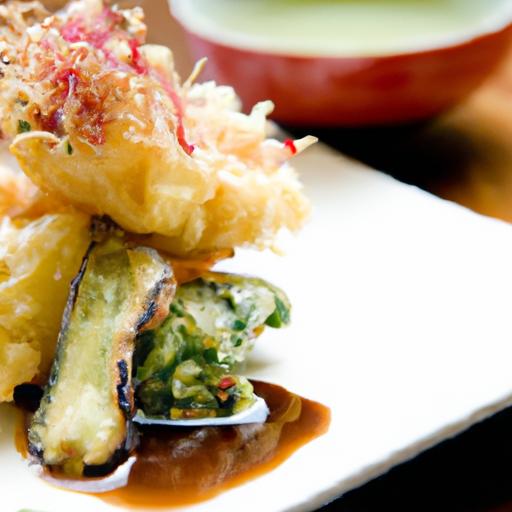


There’s something irresistibly magical about the first bite of vegetable tempura-a delicate, golden cloak that crisps to perfection, giving way to the tender, vibrant vegetables nestled within. This beloved Japanese dish transforms humble garden harvests into a symphony of textures and flavors,where lightness meets crunch in every mouthful. In “Crispy Delight: Mastering the Art of Vegetable Tempura,” we’ll dive into the secrets behind its ethereal batter, explore the best vegetables to showcase, and unveil techniques that turn a simple frying pan into a stage for culinary artistry.Whether you’re a seasoned cook or a curious beginner, prepare to embark on a crisp, savory adventure that honors tradition while inviting your creativity to sizzle.
Crispy Delight is your gateway to elevating vegetable tempura into a culinary masterpiece. Rooted in customary Japanese cuisine, this dish combines the freshest vegetables with a delicate, light coating that shatters with each bite. Perfecting texture and taste requires selecting the right vegetables,mastering the batter,and frying techniques that yield golden perfection-transforming humble veggies into irresistibly crispy tempura treasures.
Prep and Cook Time
- Preparation: 20 minutes
- Cooking: 15 minutes
- Total Time: 35 minutes
Yield
Makes approximately 4 servings (about 24 tempura pieces)
Difficulty Level
Medium – Ideal for those familiar with frying techniques but approachable for eager beginners eager to explore Japanese cuisine.
Ingredients
- Vegetables:
- 1 medium sweet potato, peeled and thinly sliced (1/8 inch)
- 1 cup green beans, trimmed
- 1 small Japanese eggplant, sliced into 1/4-inch rounds
- 1/2 red bell pepper, sliced into thin strips
- 6 shiitake mushrooms, stems removed and halved
- Batter:
- 1 cup all-purpose flour, sifted
- 1/2 cup cornstarch
- 1 large egg, lightly beaten
- 1 cup ice-cold sparkling water (carbonated for extra crispiness)
- Pinch of baking soda (optional, for added lightness)
- Sea salt, to taste
- For Frying:
- 2 cups vegetable oil (preferably canola or peanut, for high smoke point)
Instructions
- Prepare the vegetables. Wash and pat each variety dry to avoid oil splatter. Slice uniformly for even cooking and maximum crispness.
- Mix the batter. In a large bowl,combine flour,cornstarch,and baking soda (if using). In a separate bowl,gently whisk the egg and ice-cold sparkling water together. Pour liquid into dry ingredients and stir lightly-it’s okay if lumps remain; overmixing activates gluten, leading to a dense coating.
- Heat the oil. Pour vegetable oil into a deep pan or fryer, heating to 340°F-360°F (170°C-180°C). Use a thermometer for accuracy to maintain steady temperature for golden, non-greasy tempura.
- Fry the vegetables. Dip each vegetable piece lightly into the batter, letting excess drip off. Carefully lower into hot oil in small batches to maintain temperature.Fry for 2-3 minutes or until coating is crisp and golden, flipping if necessary.
- Drain and season. Remove tempura with a slotted spoon, placing on a wire rack or paper towel-lined plate. Lightly sprinkle with sea salt while still hot for enhanced flavor.
- serve immediately. Crispy Delight is best enjoyed fresh to preserve its characteristic crunch and delicate texture.
Chef’s Notes: Tips for Success
- Keep the batter cold by placing the bowl over another bowl with ice.Cold batter ensures a light, airy crust.
- Use sparking water or chilled soda water instead of plain water to incorporate tiny bubbles that expand during frying, intensifying crispiness.
- Don’t overcrowd the oil; frying small batches prevents temperature drop, which causes soggy, oil-logged tempura.
- Variety matters: Try adding delicate herbs like shiso leaf or seasonal vegetables like asparagus for a fresh twist.
- Make-ahead tip: Prep and slice vegetables in advance, store in cold water to prevent browning, and pat dry before battering.
- If tempura turns greasy, the oil temperature was too low-adjust the heat carefully for your next batch.
serving Suggestions
Present your vegetable tempura on a long, sleek platter lined with parchment or bamboo leaves for an authentic touch. serve with small bowls of tentsuyu dipping sauce (a mix of dashi, soy sauce, and mirin) accompanied by grated daikon radish for refreshing contrast. Garnish with a few sprigs of fresh parsley or shiso leaves and a wedge of lemon to brighten the dish visually and flavor-wise. Pair with steamed jasmine rice and a crisp green salad for a complete meal.

| Nutrient | Per Serving |
|---|---|
| Calories | 230 kcal |
| Protein | 4 g |
| Carbohydrates | 28 g |
| Fat | 10 g |
for more insights on Japanese cooking fundamentals, explore our Japanese Cooking Techniques guide. And to deepen your knowledge on frying oils and their smoke points, visit Healthline’s expert analysis.
Q&A
Q&A: Crispy Delight - Mastering the Art of Vegetable Tempura
Q1: What exactly is tempura, and how is vegetable tempura different from other types?
A: Tempura is a beloved Japanese dish characterized by its light, airy, and irresistibly crispy batter that cloaks an assortment of ingredients-most famously seafood and vegetables.Vegetable tempura focuses exclusively on fresh, vibrant vegetables like sweet potatoes, bell peppers, mushrooms, and green beans, transforming them into golden, crunchy morsels that celebrate natural flavors with a light, delicate touch.
Q2: What makes the batter for vegetable tempura unique compared to other batters?
A: The magic lies in simplicity and technique. Traditional tempura batter is a minimalistic blend of cold water, wheat flour, and sometimes egg. The key is to keep the batter cold and avoid over-mixing, which prevents gluten formation and ensures a thin, crispy coating that shatters with every bite. Some chefs even add a bit of seltzer or rice flour for extra crunch, but the hallmark is its ethereal lightness.
Q3: Which vegetables work best for tempura,and why?
A: Vegetables that balance moisture and texture excel in tempura. Starchy sweet potatoes offer a sweet creaminess, bell peppers provide a subtle crunch and sweetness, while green beans and asparagus contribute a tender snap. Mushrooms lend umami depth and a unique texture contrast. The key is choosing fresh, firm vegetables that hold up to the quick, hot fry without becoming soggy.
Q4: How significant is oil temperature in achieving perfect tempura?
A: Crucial! Maintaining the oil around 350-375°F (175-190°C) is essential. Too hot, and the batter browns too quickly, leaving the interior undercooked. Too cool, and the tempura absorbs excess oil, losing its signature crispiness. A steady, hot temperature ensures a rapid cook that locks in freshness and creates that iconic, airy crunch.
Q5: Can vegetable tempura be made ahead of time?
A: Tempura’s crispy allure is at its peak right after frying. While you can prepare vegetables and batter in advance, frying just before serving guarantees the best texture. If needed, keep cooked tempura warm in a low oven on a wire rack to prevent sogginess, but enjoy it promptly for the ultimate crispy delight.
Q6: What dipping sauces complement vegetable tempura?
A: The classic companion is tentsuyu-a delicate blend of dashi (Japanese stock), soy sauce, and mirin (sweet rice wine), sometimes with grated daikon radish for brightness. For a creative twist, try ponzu for citrusy zing or a miso-based sauce for deeper umami notes. These light dipping sauces highlight the tempura’s crisp texture without overpowering the vegetables’ natural flavors.Q7: Any tips for home cooks attempting vegetable tempura for the first time?
A: Absolutely! Keep your batter cold-consider chilling the flour and water beforehand and even adding ice cubes to keep temperature low. Use fresh vegetables cut into uniform pieces for even cooking. Fry in small batches to maintain oil temperature and avoid overcrowding. Lastly, serve immediately with your favorite dipping sauce to savor that perfect crunch and subtle sweetness.Q8: How does mastering vegetable tempura enhance one’s culinary repertoire?
A: Mastering tempura is an invitation to appreciate the harmony of texture and flavor,showcasing how simplicity can elevate humble ingredients into a party of contrast-crisp exterior,tender interior,vibrant vegetable essence. It’s a testament to patience and precision in the kitchen, enriching your cooking skills and offering a gateway into the artistry of Japanese cuisine.
Closing Remarks
As the delicate crunch of each golden, crisp vegetable tempura melts in your mouth, you realize that mastering this art is more than just a cooking technique-it’s a celebration of texture, flavor, and tradition.Whether you’re a seasoned chef or a curious home cook,embracing the nuances of batter consistency,oil temperature,and ingredient choice will elevate your tempura from simple fry to crispy delight. so, next time you crave that perfect bite of light, airy crunch, remember: with patience and practice, the art of vegetable tempura is yours to command-and every crispy creation a testament to your culinary adventure.