
There’s something magical about a warm bowl of miso soup-a humble elixir that has been nourishing minds and bodies in Japan for centuries. Beyond its delicate layers of umami and subtle earthiness lies a culinary tradition steeped in history and craftsmanship. Weather you’re a seasoned foodie or a curious beginner,mastering the art of miso soup opens the door too authentic flavors and soul-soothing comfort. In this article, we’ll guide you through a simple, authentic recipe, unlocking the secrets to creating this timeless Japanese favorite right in your own kitchen. Get ready to stir, savor, and discover the essence of miso!
Master the Art of Miso Soup by diving deep into the rich world of miso – a fermented soybean paste that carries centuries of umami magic. This humble yet profoundly flavorful ingredient is the heart of authentic japanese cuisine, offering a diverse palette of tastes shaped by the region, fermentation time, and base ingredients. Whether you crave a delicate sweetness or a bold, salty depth, understanding miso’s varieties is your gateway to crafting a truly memorable bowl.
Understanding Miso Types and flavors
Miso varies widely, primarily categorized into white (shiro), red (aka), and mixed (awase) types. White miso is aged for a shorter period, giving it a creamy texture and a sweet, mild flavor perfect for light broths. Red miso is fermented longer, yielding a robust, saltier taste that adds complexity and depth. Awase miso blends the best of both, providing versatility for many recipes. Each variant imparts a unique character, inviting experimentation for crafting your perfect miso soup experience.
Selecting Fresh Ingredients for Authenticity
Beyond miso itself, authenticity shines through the ingredients you choose. Fresh kombu (kelp) and katsuobushi (bonito flakes) are essential for creating a delicate dashi broth foundation. Include seasonal vegetables like shiitake mushrooms or fresh tofu and spring onions for balance. Prioritize quality and freshness, as every component layers complexity, ensuring your miso soup is not just a meal, but a culinary experience bursting with clean, umami notes.
Prep and Cook Time
- Preparation: 10 minutes
- Cooking: 15 minutes
- Total Time: 25 minutes
Yield
Serves 4 comfortably
Difficulty level
Easy – perfect for beginners and seasoned home cooks alike
Ingredients
- 1 piece (4×4 inches) kombu (dried kelp)
- 2 cups katsuobushi (bonito flakes)
- 4 cups water
- 3 tablespoons white or awase miso paste
- 200g firm tofu, cut into ½-inch cubes
- 1 cup sliced shiitake mushrooms
- 2 green onions, thinly sliced
- Optional: wakame seaweed, rehydrated (2 tablespoons)
Step by Step Guide to Crafting the Perfect Miso Broth
- Prepare the Dashi Stock: Place the kombu in the 4 cups of cold water in a medium saucepan.Slowly heat over medium until just before boiling (about 10 minutes). Remove kombu promptly to avoid bitterness.
- Add Bonito Flakes: Stir in the katsuobushi, letting the flakes steep off heat for 5 minutes. Strain the liquid through a fine sieve or cheesecloth to obtain a clear broth.
- incorporate Vegetables and Tofu: Return the dashi to low heat. Gently add sliced shiitake mushrooms and tofu cubes. Simmer for 5 minutes, allowing flavors to meld without boiling.
- Dissolve Miso Paste: Place the miso paste in a small bowl. Ladle warm dashi broth into the bowl and whisk until smooth. Gradually pour the miso mixture back into the pot, stirring gently. Heat just enough to warm through – avoid boiling to preserve miso’s delicate enzymes.
- Finish and Garnish: add rehydrated wakame and sliced green onions. Stir lightly and serve immediatly for the freshest taste.
Expert Tips for Enhancing and Personalizing Your Miso soup
- Flavor layering: Toast your kombu briefly before soaking to deepen umami.
- Ingredient swaps: Substitute shiitake with enoki or maitake mushrooms for different textures.
- Protein boost: Add sliced chicken or shrimp for a heartier meal.
- Miso adjustment: If unsure, start with less miso and adjust to taste to avoid overpowering saltiness.
- Make ahead: Prepare dashi stock in advance and refrigerate for up to 3 days to cut down on prep time.
Serving suggestions
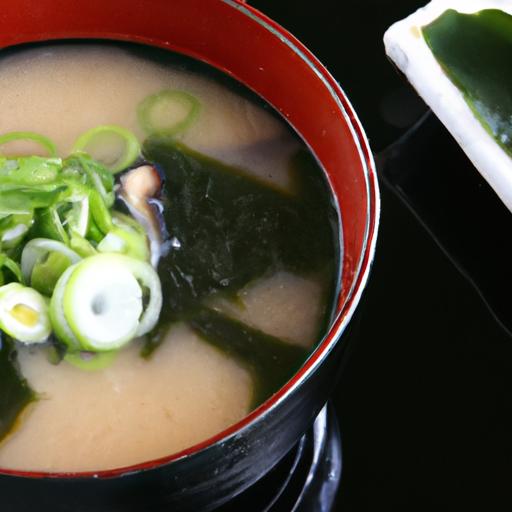
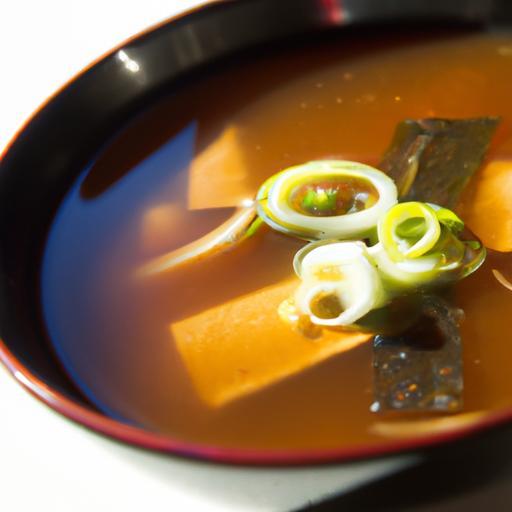
Present your miso soup in customary Japanese lacquer bowls to highlight its warm hues. Garnish with freshly sliced green onions, delicate wakame strands, or toasted sesame seeds for added texture. Pair with steamed rice and pickled vegetables for an authentic Japanese meal. A small side of tempura or grilled fish complements the soup’s savory nuances beautifully.

| Nutrient | Per Serving |
|---|---|
| Calories | 110 kcal |
| Protein | 9 g |
| Carbohydrates | 7 g |
| Fat | 4 g |
for a deeper dive into miso varieties and health benefits, explore this complete guide on miso.
To expand your Japanese cooking repertoire, discover our dashi recipe that pairs beautifully with miso soup.
Q&A
Q&A: Master the Art of Miso Soup - A Simple, Authentic Recipe
Q1: What makes miso soup so special in Japanese cuisine?
A1: Miso soup is much more than a humble bowl of broth; it’s a soulful staple that embodies the essence of umami, tradition, and balance. This warm, comforting soup combines fermented miso paste with dashi broth, creating a harmonious blend that’s both nourishing and deeply satisfying.It’s frequently enough served as a daily ritual to start meals,symbolizing health and longevity.
Q2: What are the essential ingredients for authentic miso soup?
A2: Simplicity is key! The heart of authentic miso soup lies in three core ingredients: dashi (a delicate broth made from kombu seaweed and bonito flakes), miso paste (fermented soybean paste with a rich, savory flavor), and tofu or wakame seaweed for texture. Green onions or scallions frequently enough provide a fresh, crisp garnish. Each element plays a vital role in achieving the classic balance of savory,salty,and slightly sweet notes.Q3: Can I use store-bought broth instead of making dashi from scratch?
A3: absolutely! While traditionalists swear by homemade dashi to capture the purest umami,many quality store-bought dashi powders or concentrates make a convenient and tasty shortcut. Just be mindful of the salt content and quality – a good dashi base is the foundation for a truly authentic-tasting miso soup.
Q4: How do I perfectly incorporate miso paste without losing its flavor or health benefits?
A4: This is where the art comes in! Avoid boiling miso paste directly,as high heat can kill the beneficial probiotics and mute its complex flavors. Instead, dissolve the miso in a small ladle or bowl of warm dashi, then gently stir it back into your pot off the heat or over low heat. This technique preserves its delicate aroma and nutritional value.
Q5: What variations can I try to personalize my miso soup?
A5: Miso soup is wonderfully versatile! Experiment with different types of miso paste – white (shiromiso) for a milder, sweeter taste; red (akamiso) for a deeper, earthier flavor; or mixed (awase miso) for balanced complexity. Add seasonal vegetables like daikon radish, mushrooms, or spinach for an extra boost of flavor and nutrition. Silken tofu cubes or thinly sliced scallions are classic, but feel free to get creative!
Q6: Is miso soup healthy?
A6: Yes! Miso soup is a nutrient powerhouse. It offers probiotics from fermented miso that support gut health,protein from soy,and minerals from seaweed. Plus, it’s low in calories and hydrating. The warm broth also aids digestion and provides comforting warmth, making it a perfect dish for all seasons.
Q7: How can beginners avoid common mistakes when making miso soup?
A7: Keep it simple and don’t rush! Use good-quality ingredients, especially the miso paste and dashi. Avoid boiling miso, as mentioned, and add it at the end of cooking. Balance flavors by tasting frequently and adjusting the amount of miso. don’t overcrowd the soup with too many extras – embrace the elegance of subtlety.
Q8: Can miso soup be stored or reheated?
A8: Miso soup is best enjoyed fresh to appreciate its layered flavors and live cultures. Though, you can store leftovers in the fridge for a day or two. When reheating, warm it gently without boiling to maintain the miso’s delicate profile. For the freshest experience, prepare it shortly before serving.
Q9: What’s the best way to serve miso soup authentically?
A9: Serve your miso soup steaming hot in small lacquered bowls or simple ceramic cups. Traditionally, it accompanies rice and other dishes in a japanese meal, offering a balance of texture and flavors. Sip it slowly to savor every umami-rich drop – it’s more than food; it’s an experience.Mastering miso soup is a journey into Japanese culinary tradition, where simplicity becomes sophistication. With this straightforward recipe and little mindful practice, you’ll soon be crafting your own bowl of warmth, health, and harmony. Ready to dip your spoon into the soul of Japan?
In Conclusion
With each humble spoonful of miso soup, you’re not just savoring a flavorful broth-you’re partaking in a timeless tradition that has warmed hearts and homes for centuries. By mastering this simple, authentic recipe, you open the door to endless variations and deepen your gratitude for Japanese cuisine’s elegant simplicity. So next time you crave comfort in a bowl, remember: crafting the perfect miso soup is both an art and a journey-one that invites you to explore, experiment, and most importantly, enjoy every savory sip.