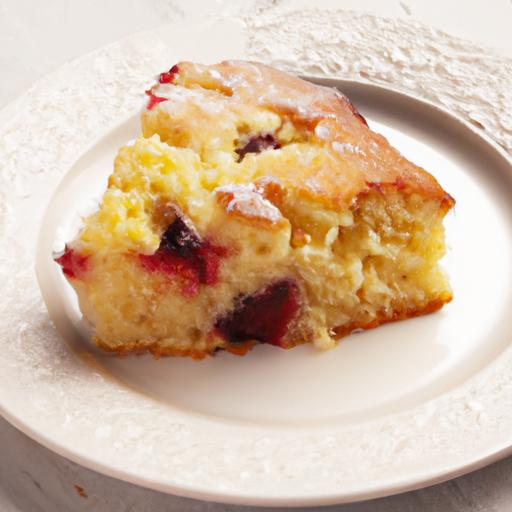

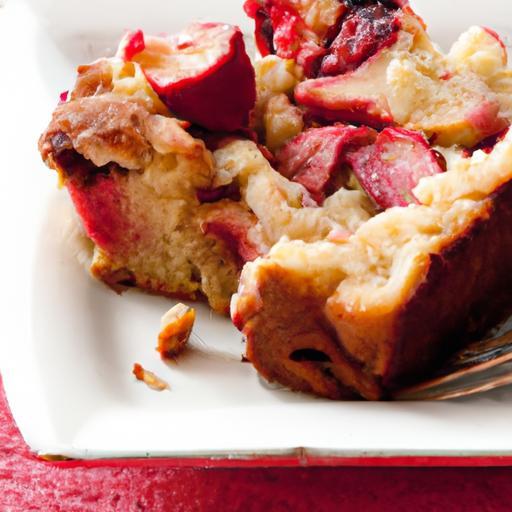
There’s a certain magic that surrounds plum cake-a rich,fragrant treat steeped in tradition and bursting with flavors that evoke warmth and celebration. But beyond its inviting aroma and festive presence lies a captivating story waiting to be uncovered.In this article, we’ll unwrap the history of plum cake, tracing its journey through time and culture, explore the myriad flavors that make each bite unique, and share expert baking tips to help you master this beloved classic in your own kitchen. Whether you’re a seasoned baker or simply curious about this sumptuous dessert, prepare to dive into the world of plum cake like never before.
plum Cake Unwrapped: History, Flavors, and Baking Tips begins with a rich journey into a beloved treat that transcends cultures and generations. This moist, fragrant cake, once reserved for festive occasions, has roots that trace back to European fruitcakes infused with dried plums (or prunes) and boozy warmth. Over time, it journeyed to India and other parts of the world, where local adaptations introduced vibrant spices, tropical dried fruits, and nuts – making every bite a celebration of heritage and innovation.
What truly sets this plum cake apart is its harmony of flavors: the natural sweetness of dried fruits enriched by welcoming spices like cinnamon and nutmeg,the tender crumb soaked with subtle hints of rum or brandy,and the deep,comforting aroma that fills your kitchen. Whether served during holiday feasts or as an elegant afternoon treat, mastering this cake connects you to a tapestry of time-honored culinary tradition while inviting creative twists.
Prep and Cook Time
- Planning Time: 20 minutes
- Resting/Marinating Time: 24 hours (optional but recommended for fruit soaking)
- Cooking Time: 1 hour 15 minutes
- Total Time: Approximately 1 hour 35 minutes (excluding marinating)
Yield
Serves 8 to 10 slices
Difficulty level
Medium – Ideal for bakers with experience in handling fruit cakes and slow baking.
Essential Ingredients
- 1 1/2 cups all-purpose flour, sifted
- 1/2 teaspoon baking powder
- 1/2 teaspoon baking soda
- 1/2 teaspoon ground cinnamon
- 1/4 teaspoon ground nutmeg
- 1/4 teaspoon salt
- 1 cup mixed dried fruits (plums, raisins, currants, chopped dates)
- 1/2 cup mixed nuts, toasted and roughly chopped (walnuts, pecans, almonds)
- 1/2 cup unsalted butter, softened
- 3/4 cup brown sugar, packed
- 2 large eggs, room temperature
- 1/4 cup milk, warmed
- 2 tablespoons dark rum or brandy (optional, for soaking and batter)
- 1 teaspoon vanilla extract
Instructions
- Prepare the fruit soak: In a bowl, combine the mixed dried fruits with the dark rum or brandy. Cover and let them soak overnight or for at least 8 hours. This infusion softens the fruits and amps up their flavor.
- Preheat your oven to 325°F (160°C). Grease and line an 8-inch loaf pan with parchment paper for hassle-free cake removal.
- Sift together the all-purpose flour, baking powder, baking soda, cinnamon, nutmeg, and salt in a medium bowl. Set aside.
- Cream the butter and brown sugar in a large mixing bowl until light and fluffy,about 3 to 5 minutes. Use a hand mixer or stand mixer on medium speed.
- Add the eggs one at a time, beating well after each addition. Stir in the vanilla extract.
- Alternate adding the dry ingredients and warm milk to the butter mixture, beginning and ending with the dry ingredients. Mix gently just until combined-avoid overmixing to maintain tender crumb.
- Fold in the soaked fruits (with any remaining soaking liquid) and toasted nuts carefully to distribute evenly without deflating the batter.
- Pour the batter into the prepared pan, smoothing the surface with a spatula. Tap the pan gently on the counter to release trapped air bubbles.
- bake for 1 hour 15 minutes, or until a toothpick inserted into the center comes out clean. If the cake starts browning too quickly, tent it loosely with foil halfway through baking.
- Let the cake cool in the pan for 15 minutes, then transfer to a wire rack to cool entirely before slicing. This resting step enhances moisture retention.
Chef’s Notes: Tips for Success
- Fruit Variations: Swap classic dried plums with dried cherries, apricots, or cranberries to bring fresh twists to the familiar flavor profile.
- Alcohol-Free Version: Use fruit juice (apple or orange) instead of rum or brandy for soaking fruits, preserving moisture without the boozy hint.
- Make-Ahead Magic: Plum cake tastes even better after a couple of days as flavors harmonize.Store wrapped tightly at room temperature or refrigerate for up to a week.
- moisture Boost: Brush the baked cake gently with warmed syrup made from equal parts sugar and water promptly after baking to intensify moisture and shine.
- Crumb Texture: use softened room-temperature butter-not melted-to ensure an airy, crumbly structure rather than a dense cake.
Serving suggestions
Slice thickly and serve plain for an authentic, rustic experience or elevate with a dollop of whipped cream or cream cheese frosting dusted lightly with cinnamon. Garnish plates with fresh plums or a sprinkle of toasted nuts for a visually stunning presentation. For holiday gatherings, pair your plum cake with a warm cup of spiced chai or black coffee, bridging comfort and elegance in every bite.

Rapid Nutritional Overview per Serving
| Nutrient | Amount |
|---|---|
| Calories | 320 kcal |
| Protein | 4 g |
| Carbohydrates | 45 g |
| Fat | 12 g |
for more seasonal baking ideas, check out our holiday fruit cakes collection and explore traditional recipes with modern flair. To delve deeper into the history of fruitcakes and their cultural significance, visit Encyclopedia Britannica on Fruitcake.
Q&A
Q&A: Plum Cake Unwrapped - History, Flavors, and Baking Tips
Q1: What exactly is plum cake? Is it made from plums?
A1: Despite its name, traditional plum cake doesn’t always contain actual plums! The term “plum” historically referred to dried fruits like raisins and currants rather than fresh plums. So, plum cake is a rich, dense fruitcake loaded with an assortment of dried fruits and nuts, ofen soaked in spirits to enhance flavor and texture.
Q2: Where did plum cake originate?
A2: Plum cake’s roots trace back hundreds of years to Europe, particularly England.It evolved from medieval fruitcakes enriched with dried fruits and spices, originally made as celebratory treats during holidays and special occasions.Over time, the recipe spread and adapted across countries, each adding local twists.Q3: What are some classic flavors and ingredients in plum cake?
A3: Classic plum cake is a symphony of warm spices-think cinnamon, nutmeg, and cloves-combined with dried fruits like raisins, sultanas, currants, and candied peel. Nuts such as almonds and walnuts add crunch, while a splash of brandy or rum often adds depth and preserves moisture. The cake is buttery and dense, with a sweet, slightly spicy profile.
Q4: How do modern versions of plum cake differ?
A4: Today, plum cake sees plenty of creative spins. Some bakers incorporate fresh plums or prunes, others add chocolate chips or citrus zest for a twist. Vegan, gluten-free, and low-sugar variations are also popular, showing how this traditional cake can evolve while still honoring its rich heritage.
Q5: What are the secret tips for baking the perfect plum cake?
A5: First,soaking your dried fruits in spirits or fruit juice overnight softens them and infuses flavor. Use room-temperature butter and eggs for smooth batter consistency. Low-and-slow baking is key-bake at a moderate temperature to avoid burning while ensuring the dense cake cooks through evenly. Wrapping the cake in parchment or foil after baking and allowing it to mature for a few days intensifies flavor and tenderness.
Q6: Can plum cake be made ahead of time?
A6: Absolutely! Actually, plum cake frequently enough improves with age. Wrapped tightly and stored in a cool place, it can be enjoyed weeks after baking. Some even “feed” the cake with additional brandy every few days to keep it moist and flavorful-a perfect make-ahead festive treat.Q7: What occasions are ideal for serving plum cake?
A7: Plum cake is a quintessential holiday delight, traditionally served at Christmas, weddings, and other celebrations. Its rich flavor and dense texture make it a wonderful accompaniment to tea or coffee any time of year, but it shines brightest during the cozy winter months.
Q8: Any unusual trivia about plum cake?
A8: here’s a fun tidbit-Queen Victoria’s wedding cake was reportedly a type of plum cake! Also, in some cultures, plum cake symbolizes good luck and prosperity, making it a popular gift during festivals.The “plum” in plum cake might not always be fruit, but it’s certainly a treasure in the baking world.
By unwrapping plum cake’s history, flavors, and baking secrets, we discover not just a cake, but a delicious tradition that connects us across time and tables. Ready to bake your own slice of history?
Closing Remarks
As we close the final chapter on our journey through the rich world of plum cake, it’s clear that this beloved dessert is much more than just a sweet treat. From its storied origins steeped in tradition to the myriad flavors that continue to evolve with each baker’s flair, plum cake carries with it a legacy of warmth, celebration, and creativity. Whether you’re drawn to the classic spice-laden loaf or eager to experiment with modern twists, the baking tips shared here aim to inspire your next culinary adventure. So, the next time you slice into a moist, fruit-studded plum cake, remember-you’re partaking in a timeless tradition that has warmed hearts and homes across centuries. Happy baking,and may your plum cake be as rich in flavor as it is indeed in history.