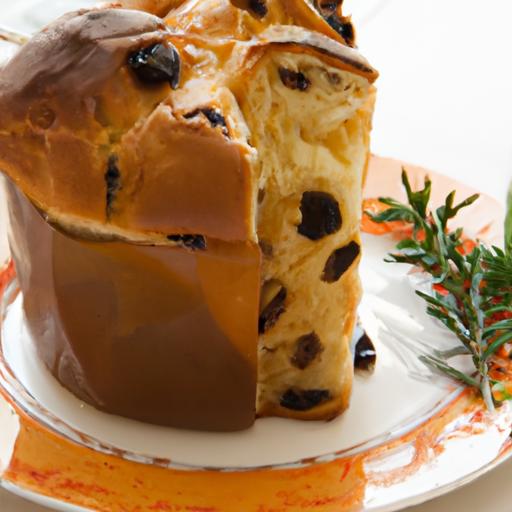

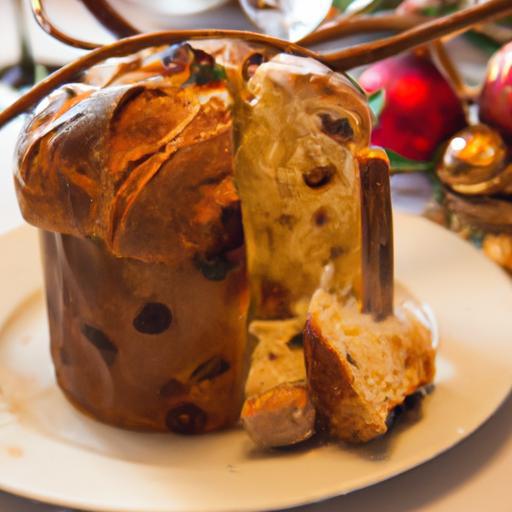
As the festive season approaches and the air fills with the scent of cinnamon and citrus, kitchens across Italy-and increasingly around the world-come alive with the magic of panettone. This towering,golden bread,speckled with candied fruits and raisins,is far more than just a dessert; it is indeed a symbol of tradition,party,and craftsmanship handed down through generations. From its mysterious origins in Milanese kitchens to its place at every holiday table, panettone weaves together history and flavour in a way that captures the spirit of Italy’s sweetest holiday ritual. Join us as we unwrap the story behind this iconic bread, exploring how panettone became the quintessential centerpiece of Italy’s yuletide festivities.
Panettone bread embodies the heart of Italy’s festive table, weaving centuries of rich history into each sweet, airy bite. Originating from Milan, this iconic holiday loaf has travelled far beyond its roots, evolving through time with remarkable craftsmanship and countless creative spins. My earliest memory of panettone is of a golden, jewel-studded dome that gleamed under Italian Christmas lights-an heirloom recipe passed down through generations, bringing family and joy together with every slice.
Prep and Cook Time
- Preparation: 45 minutes (plus 12-18 hours for rising)
- Cooking Time: 50 minutes
- Total Time: Approximately 14-19 hours (including proofing)
Yield
- 1 large traditional panettone (approximately 12 servings)
Difficulty Level
- Intermediate to Advanced – patience and precision are key!
Ingredients
- 500g (4 cups) all-purpose flour, sifted
- 150g (3/4 cup) granulated sugar
- 150g unsalted butter, softened
- 4 large eggs, at room temperature
- 200ml warm whole milk (about 95°F/35°C)
- 20g fresh brewer’s yeast (or 7g active dry yeast)
- 1 tsp pure vanilla extract
- Zest of 2 oranges, finely grated
- Zest of 1 lemon, finely grated
- 200g mixed candied citrus peel
- 150g raisins, soaked in warm water or rum for 30 minutes, drained
- 1 tsp fine sea salt
- 1 tbsp honey
Instructions
- Activate the yeast: Dissolve the fresh yeast in warm milk with a pinch of sugar. Let it sit for 10 minutes until frothy.
- Prepare the dough base: In a large bowl, combine sifted flour, sugar, and salt. Add the yeast mixture, eggs, honey, vanilla extract, and citrus zests. Stir gently with a wooden spoon until a rough dough forms.
- Incorporate butter: Gradually add softened butter in pieces, kneading the dough well either by hand or with a mixer fitted with a dough hook. This step takes about 10 minutes until the dough becomes elastic and smooth. the dough should be sticky but cohesive.
- First rise: Cover the dough with a clean towel or plastic wrap, and let it rise in a warm spot for 8-12 hours or until doubled in size.
- Add fruit: Gently fold in soaked raisins and candied peel, distributing evenly without deflating the dough.
- Shape the panettone: Transfer dough onto a lightly floured surface and shape into a tall dome. Place it into a buttered panettone mold or tall paper mold.
- Second rise: Let the shaped dough rise for 3-4 hours until it reaches the top of the mold and looks puffy.
- Bake: Preheat the oven to 350°F (175°C). Bake the panettone in the center rack for 45-50 minutes. If the top browns too quickly, tent with foil to avoid burning.
- Cool properly: Remove from the oven and invert the panettone upside down using skewers to cool completely-this prevents the dome from collapsing and preserves its airy texture.
Chef’s Notes: Tips for Success
- Ingredient quality: Use fresh, high-quality butter and eggs for the best flavor and texture.
- Yeast nuances: Fresh yeast creates a more delicate rise, but you can substitute with active dry yeast if necessary; just adjust activation time.
- Proofing space: Find a warm, draft-free area for rising. Your oven with the light on is a perfect spot.
- Fruit variations: Swap candied citrus for dried cherries, apricots, or even toasted nuts for a personal touch.
- Make-ahead: Panettone flavors deepen if baked one or two days prior and wrapped well.This also improves sliceability.
- Storage: Keep panettone in an airtight container or wrapped tightly in plastic wrap to preserve the soft crumb.
Serving Suggestions
Slice panettone bread thickly with a serrated knife, ideally on a wooden cutting board. Its pillowy interior pairs wonderfully with a dusting of powdered sugar or a light spread of mascarpone cream. For festive flair, warm it gently and serve alongside rich espresso, mulled wine, or a glass of sparkling Moscato d’Asti. Garnish plates with fresh orange zest or edible gold leaf for a truly elegant presentation. Leftovers can be toasted for breakfast or transformed into a luscious bread pudding.

| Nutrition | Per Serving (1 slice) |
|---|---|
| Calories | 320 kcal |
| Protein | 6 g |
| Carbohydrates | 48 g |
| Fat | 10 g |
Highlighting Regional Variations of Panettone Bread
While Milanese panettone reigns supreme, other Italian regions offer unique takes that enrich this holiday classic. in Lombardy,bakers frequently enough enhance the dough with a touch of marsala wine,adding depth and warmth. Southern italy sometimes incorporates nuts like pistachios or soft ricotta filling, introducing unexpected textures and flavors. Some artisanal bakers infuse the dough with aromas of saffron or fresh berries, showcasing Italy’s diverse terroirs. Exploring these variations invites a creative spirit in your own kitchen-try swapping candied orange peel for Sicilian lemon or adding a handful of toasted almonds for a delightful crunch.
For a deep dive into Italian baking techniques, check out our comprehensive guide, and enhance your panettone mastery.
And for past context and classic recipes that inspired this sweet tradition, Britannica’s panettone overview offers valuable insights into the evolution of this festive bread.
Q&A
Q&A: Panettone Bread – Italy’s Sweet Holiday Tradition Unwrapped
Q1: What exactly is panettone?
A1: Panettone is a tall, dome-shaped Italian sweet bread, bursting with juicy candied fruits and plump raisins. Traditionally enjoyed during Christmas and New Year, it’s a festive symbol of warmth, family gatherings, and Italian holiday cheer.Q2: Where did panettone originate?
A2: This iconic treat hails from Milan, Italy. Legend has it that panettone was born out of a humble baker’s love story, evolving over centuries into the golden, fluffy confection beloved worldwide today.
Q3: What makes panettone different from other holiday breads?
A3: Unlike ordinary breads, panettone undergoes a long, natural fermentation process that gives it an airy, tender crumb and a slightly tangy depth of flavor. Its unique dome shape and festive mix of citrusy candied peel and raisins set it apart as an artisanal masterpiece.
Q4: How is panettone traditionally made?
A4: patience is key! The dough requires multiple rises, often over several days. The mixture usually includes flour, eggs, butter, sugar, natural yeast, candied fruits, and raisins, kneaded carefully to create that signature lightness and rich aroma.
Q5: Can panettone be enjoyed beyond the holidays?
A5: absolutely! while it’s synonymous with Christmas, panettone’s delicate sweetness makes it perfect year-round. Try it toasted with butter, dipped in hot chocolate, or transformed into a decadent bread pudding.
Q6: Are there modern twists on panettone?
A6: Indeed. Contemporary bakers experiment with flavors like chocolate chips, pistachios, or even tropical fruits, while some infuse it with liqueurs or savory elements. Yet, the soul of panettone remains lovingly rooted in tradition.
Q7: How should panettone be stored to keep it fresh?
A7: To maintain its moist, tender texture, store panettone in an airtight container or wrapped tightly in plastic wrap at room temperature. For longer shelf life, it can be frozen and later thawed gently.
Q8: What cultural meaning does panettone hold in Italy?
A8: Beyond being a flavorful dessert, panettone is a symbol of celebration, hospitality, and shared joy.Gifted to friends and family, it embodies Italy’s festive spirit and culinary heritage, bringing people together through its sweet aroma and taste.
Q9: Where can one find authentic panettone outside Italy?
A9: Many gourmet bakeries and specialty stores around the world carry authentic Italian panettone, especially leading up to the holiday season.Online retailers also offer artisanal versions shipped directly from Italy for an authentic experience anywhere.
Q10: What’s the best way to serve panettone?
A10: Serve it sliced thick with a dollop of mascarpone or a drizzle of honey. Pair it with a glass of sweet wine like vin santo or a warm espresso for the full Italian holiday vibes. Buon appetito!
The Way Forward
As the final slice of panettone is savored and the sweet aroma lingers in our kitchens,we’re reminded that this humble bread is far more than just a holiday treat. It’s a golden thread woven through Italy’s festive tapestry, carrying stories of tradition, family, and celebration from generation to generation. Whether enjoyed plain, studded with dried fruit, or paired with a glass of sparkling wine, panettone invites us all to unwrap a moment of joy and togetherness.So next time the holiday season rolls around, let this iconic Italian sweet bread be your delicious passport to a cultural celebration that transcends time and borders. Buon appetito!