

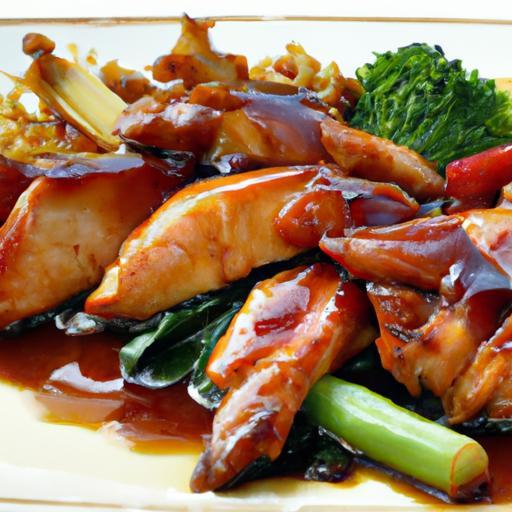
Teriyaki Chicken unveiled: Flavor,Recipe & Cooking Tips
Few dishes encapsulate the perfect harmony of sweet,savory,and umami quite like teriyaki chicken. This beloved Japanese-inspired classic has journeyed far beyond its origins, captivating taste buds worldwide with its glossy glaze and tender, succulent texture. But what exactly makes teriyaki chicken so irresistible? In this article, we’ll peel back the layers of its rich flavor profile, reveal a foolproof recipe to recreate it in your own kitchen, and share expert tips that elevate every bite from everyday to exceptional. Whether you’re a seasoned chef or a home-cooking enthusiast, get ready to unlock the secrets behind teriyaki chicken’s timeless appeal.
Teriyaki chicken exemplifies the perfect harmony of sweet, salty, and umami flavors, making it a beloved staple in japanese cuisine and kitchens worldwide.Rooted in tradition, this dish is an invitation to explore authentic ingredients and masterful cooking techniques that elevate every bite. Whether you’re a seasoned cook or a culinary adventurer, understanding the essence behind the signature teriyaki sauce will transform your homemade teriyaki chicken into an irresistible experience.
Prep and Cook Time
Readiness: 15 minutes | Cooking: 20 minutes | Total: 35 minutes
yield
Serves 4 generous portions.
Difficulty Level
Easy – Ideal for cooks looking to blend authenticity with simplicity.
Ingredients
- 1 lb (450g) boneless, skin-on chicken thighs, trimmed and patted dry
- ¼ cup soy sauce (use japanese-style if possible for authenticity)
- 2 tablespoons sake (Japanese rice wine)
- 2 tablespoons mirin (sweet rice wine)
- 1 tablespoon granulated sugar (adjust to taste)
- 1 teaspoon freshly grated ginger
- 1 clove garlic, minced
- 1 teaspoon toasted sesame oil
- Optional: 1 teaspoon cornstarch mixed with 2 teaspoons water (for thickening sauce)
- 2 green onions, thinly sliced (for garnish)
- Sesame seeds (toasted, for garnish)
Instructions
- Prepare the teriyaki sauce base: In a small bowl, whisk together soy sauce, sake, mirin, sugar, grated ginger, and minced garlic until the sugar dissolves entirely.
- Heat your pan: Warm a large non-stick skillet over medium heat and add sesame oil. This small amount imparts a subtle nuttiness that rounds out the sauce’s flavor.
- Cook the chicken thighs: Place the chicken thighs skin-side down, cooking without moving for about 6-7 minutes until the skin is deeply golden and crisp. Flip the chicken and cook the other side for 4-5 minutes.
- Glaze with teriyaki sauce: Pour the pre-mixed teriyaki sauce over the chicken.Reduce the heat to medium-low and let the sauce simmer gently, basting the chicken with the sauce every minute or so. This promotes caramelization without burning.
- Optional thickening: If you prefer a glossy, thicker glaze, mix the cornstarch slurry and add it during the last 2 minutes of cooking. Stir continuously until the sauce is luscious and coats the chicken evenly.
- Rest and slice: Remove chicken from the pan and let it rest for 5 minutes. Slice into bite-sized pieces against the grain for maximum tenderness.
- Plate and garnish: Arrange the chicken over steamed rice or alongside fresh vegetables. Sprinkle with toasted sesame seeds and sliced green onions for that vibrant, authentic finish.
Tips for Success
- Chicken choice: Dark meat thighs give the best balance of juiciness and flavor. Skin-on helps develop a crispy texture that contrasts beautifully with the sticky sauce.
- Make-ahead sauce: The teriyaki sauce can be prepared in advance and stored refrigerated for up to one week, which speeds up your cooking and deepens flavor over time.
- Adjust sweetness: Balancing sugar and mirin is key. Taste the sauce before cooking and tweak the sugar ratio based on your preference.
- Choice protein: try substituting chicken with salmon or tofu for variations that still benefit from the rich teriyaki profile.
- Pause before thickening: Reduce your sauce to about half before adding cornstarch slurry for optimal glossy thickness and flavor concentration.
Serving Suggestions
For a classic presentation, serve the teriyaki chicken nestled on a bed of steaming white jasmine or sushi rice, complemented by lightly sautéed bok choy or steamed broccoli. A side of pickled ginger or a crisp cucumber salad adds refreshing brightness. Garnish with a scattering of toasted sesame seeds and finely sliced green onions to elevate both the look and the taste. A wedge of lemon or a drizzle of fresh lime juice can bring a subtle acidity that cuts through the richness beautifully.

| Nutrient | Per Serving |
|---|---|
| Calories | 350 kcal |
| Protein | 28 g |
| Carbohydrates | 14 g |
| Fat | 18 g |
For further inspiration and a deeper dive into Japanese cooking techniques, check out our Authentic Japanese Recipes collection. To understand the cultural meaning and science behind teriyaki sauce,Japan Guide’s Teriyaki Overview offers trusted and detailed insights.
Q&A
Q&A: Teriyaki Chicken Unveiled – Flavor, Recipe & Cooking Tips
Q1: What makes teriyaki chicken such a beloved dish around the world?
A1: Teriyaki chicken captivates taste buds with its perfect marriage of sweet, savory, and umami flavors. The glossy, caramelized sauce clings lovingly to tender chicken, creating a dish that’s as visually enticing as it is indeed delicious. Its balance of simplicity and depth of flavor makes it a global favorite, effortlessly bridging customary Japanese cuisine with everyday home cooking.
Q2: What’s the secret behind the signature teriyaki sauce?
A2: At the heart of teriyaki magic lies a harmony of soy sauce, mirin (a sweet rice wine), sake, and sugar. This quartet simmers to create a luscious glaze that’s sweet, salty, and subtly tangy. Some chefs add ginger or garlic for extra zing, but the core remains a beautifully balanced sauce that’s both bold and comforting.
Q3: Can I make teriyaki chicken without mirin or sake?
A3: Absolutely! While mirin and sake add authentic depth and sweetness, substitutes like a splash of dry sherry or a teaspoon of honey can work in a pinch. For a non-alcoholic twist, combining rice vinegar with a bit of sugar or apple juice replicates the sweetness and acidity, ensuring your teriyaki sauce still shines.
Q4: What’s the best cut of chicken to use?
A4: Thighs are the unsung heroes of teriyaki chicken-juicy, flavorful, and forgiving during cooking. Their natural fat content keeps the meat succulent under high heat, allowing the sauce to caramelize beautifully. However, boneless chicken breasts work well too if you prefer leaner meat; just be careful not to overcook.
Q5: How can I achieve that perfect glossy, sticky teriyaki finish?
A5: The key is patience and heat control. After simmering, reduce the sauce uncovered at medium heat until it thickens to a syrupy consistency.Then, toss the cooked chicken back into the pan, coating each piece thoroughly. The natural sugars caramelize into that iconic shiny glaze that clings to the meat with irresistible allure.
Q6: Are there any creative twists to the classic recipe?
A6: The beauty of teriyaki chicken is its versatility. Try adding pineapple juice for a tropical sweetness, sprinkle toasted sesame seeds for crunch, or finish with sliced scallions and a drizzle of spicy mayo for contrast. Serving over fried rice,steamed vegetables,or in a wrap can also reinvent the experience while honoring the original flavors.
Q7: How long should I marinate the chicken for optimal flavor?
A7: For maximum infusion, marinate the chicken for at least 30 minutes to an hour. If time allows, overnight marination deepens the flavor, allowing the soy and mirin to penetrate the meat. Though, even a quick 15-minute soak enhances taste considerably, making it a flexible staple for busy cooks.
Q8: Any tips for cooking teriyaki chicken on a grill or in the oven?
A8: For grilling, brush the chicken generously with sauce and cook over medium heat to prevent burning. Frequent basting creates a caramelized, smoky flavor. In the oven, bake at 400°F (200°C) for about 20-25 minutes, brushing halfway through. Turning the chicken ensures even cooking and a beautifully glazed finish.
Q9: Can teriyaki chicken be made healthier without sacrificing flavor?
A9: Definitely! Opt for low-sodium soy sauce, reduce added sugar, and pair your chicken with plenty of steamed veggies or whole grains. Using skinless chicken thighs or breasts cuts fat, while incorporating fresh ginger and garlic amps up flavor naturally. The result? A dish that’s vibrant, wholesome, and still incredibly satisfying.Q10: What’s the best way to store and reheat leftovers?
A10: Store teriyaki chicken in an airtight container in the fridge for up to 3 days. To reheat, gently warm on the stovetop with a splash of water or extra sauce to restore moisture and shine. Avoid the microwave if possible-it can dry out the chicken. If freezing, wrap tightly and consume within 2 months for best flavor retention.
With these insights, you’re well on your way to mastering teriyaki chicken-whether you’re crafting a cozy family dinner or dazzling guests with a taste of Japan’s savory-sweet magic.
Final Thoughts
As we close the chapter on teriyaki chicken,it’s clear that this beloved dish is much more than a simple blend of soy and sweetness-it’s a flavorful journey steeped in tradition and culinary finesse. Armed with the recipe and cooking tips unveiled here, you’re now ready to bring that perfect balance of savory glaze and tender juiciness into your own kitchen. Whether you’re a seasoned chef or a curious foodie, embracing teriyaki chicken promises a delicious adventure that’s as rewarding to prepare as it is indeed to savor. So go ahead-ignite your stove, whisk that sauce, and let the irresistible aroma of teriyaki magic transform your next meal into a flavorful festivity.