

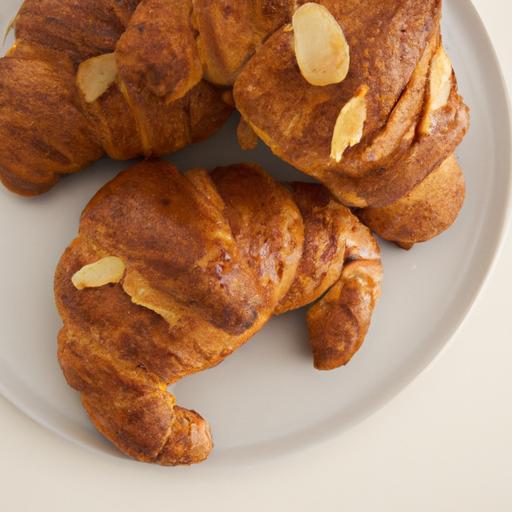
Golden,flaky,and irresistibly buttery,the almond croissant has long held a special place in the hearts of pastry lovers around the world. But beyond its delicate layers and sweet, nutty filling lies a fascinating story rich with history and tradition. In this article, we’ll unwrap the origins of the almond croissant, explore the symphony of flavors that make it a timeless classic, and share expert tips to help you master this beloved treat in your own kitchen. Whether you’re a curious foodie or an aspiring baker,prepare to dive into the flavorful world of almond croissants-one flaky bite at a time.
almond croissants hold a special place in the world of pastries, marrying delicate layers of flaky dough with the rich, nutty embrace of almond cream. Almond croissants Unwrapped: History, flavor & Baking Tips reveals not just the artistry of baking but the fascinating cultural journey of this beloved treat. Originating in France, these pastries weave together centuries of culinary tradition and innovation, inviting every baker to experience their irresistible charm.
Prep and Cook Time
- Preparation: 45 minutes (plus overnight dough chilling)
- Proofing: 2 hours
- Baking: 18-22 minutes
- Total Time: Approximately 4 hours (including resting and chilling)
Yield
Makes 8 almond croissants
Difficulty Level
Medium to Advanced – Involves laminated dough and almond cream preparation.
Essential Ingredients
- For the Laminated Croissant Dough:
- 3 ½ cups (440g) all-purpose flour, sifted
- ½ cup (100g) granulated sugar
- 2 tsp salt
- 1 tbsp active dry yeast
- 1 ¼ cups (300ml) whole milk, warm
- 1 tbsp unsalted butter, melted
- 1 ¼ cups (285g) unsalted butter, cold for laminating
- For the Almond Filling (Frangipane):
- 1 cup (120g) almond flour
- ¾ cup (150g) granulated sugar
- ½ cup (115g) unsalted butter, softened
- 2 large eggs
- 1 tsp almond extract
- 2 tbsp all-purpose flour
- Finish and Glaze:
- 1 egg yolk (for egg wash)
- ½ cup sliced almonds
- Powdered sugar, for dusting
Step-by-Step Instructions
- Prepare the dough: In a bowl, dissolve the yeast in warm milk and let it sit for 5 minutes until frothy. In a large mixing bowl, combine sifted flour, sugar, and salt. Add the melted butter and yeast mixture, stirring to form a rough dough. knead by hand or mixer until smooth, about 8 minutes.
- Chill and laminate: Shape the dough into a rectangle and chill for 30 minutes. Meanwhile, shape the cold butter into a flat 7×7 inch square between parchment paper. Roll out the dough to 10×20 inches, place the butter in the center, fold the dough over, and seal edges.Perform three folds (turns), resting 30 minutes in the fridge between each.
- shape the croissants: Roll the laminated dough to ¼ inch thickness and cut into 8 triangles.Roll each tightly from base to tip, placing tips underneath to hold shape. Arrange on a parchment-lined tray and cover loosely with plastic wrap.
- First proof: Allow croissants to proof at room temperature for 1.5 to 2 hours until puffed and slightly jiggly.
- Prepare the almond cream: in a mixer, cream the softened butter with sugar, then add almond flour, eggs, almond extract, and flour. Mix until smooth and fluffy.
- Bake the plain croissants: Preheat the oven to 375°F (190°C). brush croissants lightly with egg yolk wash, bake 15 minutes until golden. Let cool slightly.
- Fill and top: Using a sharp knife,slice a small pocket in each croissant and pipe generous almond cream inside. Spread remaining cream on top, sprinkle with sliced almonds and a second egg wash.
- Bake again: Return to the oven for 18-22 minutes until the almond cream is set and golden brown. cool on a wire rack.
- Finish: Dust with powdered sugar just before serving for an elegant finish.
Tips for Success
- Butter Temperature: Use cold butter for laminating to achieve distinct flaky layers-too soft and it will blend with dough, too hard and it will crack.
- Proofing Environment: Proof croissants in a warm, humid spot to let them rise without drying out-try your oven with the light on.
- Almond Cream Consistency: It should be smooth but thick enough to pipe; adjust with a sprinkle of flour or a dash of milk if needed.
- Make-Ahead: Fully bake and cool almond croissants, then freeze individually. Reheat in a 350°F oven for 10 minutes for fresh results.
- Substitutions: Use brown sugar or honey in almond cream for deeper flavor; swap sliced almonds for chopped pistachios for a twist.
Serving Suggestions
Present almond croissants warm alongside a strong coffee or a velvety hot chocolate. Garnish plates with fresh berries or edible flowers for an inviting, café-style experience. A light drizzle of honey or apricot glaze complements the almond richness beautifully,perfect for brunch gatherings or elegant breakfast treats.

| Nutrient | Per Serving (1 croissant) |
|---|---|
| Calories | 380 kcal |
| Protein | 7g |
| Carbohydrates | 35g |
| Fat | 22g |
For those eager to explore more French pastry classics, check out our guide to classic French pastries. To deepen your understanding of yeast fermentation in laminated doughs, visit the expert resources at King Arthur Baking’s Croissant Guide.
Q&A
Q&A: Almond Croissants Unwrapped – History, Flavor & baking Tips
Q: What is the origin of the almond croissant?
A: The almond croissant, as we certainly know it today, is a delicious evolution of the classic French croissant. While the croissant itself traces back to Austrian kipferl pastries and was popularized in France during the 19th century, the almond croissant emerged later as bakers began enriching the buttery layers with almond paste or frangipane. This delightful twist likely originated in Parisian bakeries as a way to use day-old croissants,turning them into a decadent treat by filling,topping,and dusting with almonds and powdered sugar.
Q: What makes the almond croissant so flavorful?
A: It’s all about the marriage of textures and tastes: the flaky, buttery layers of the croissant combined with the sweet, nutty almond cream. The frangipane filling-a luscious blend of ground almonds, butter, sugar, and eggs-melts into the pastry during baking, infusing each bite with richness. Toasted sliced almonds on top add a delicate crunch, balanced perfectly by a dusting of powdered sugar for a touch of sweetness and a hint of visual elegance.
Q: How is an authentic almond croissant diffrent from just a croissant with almond topping?
A: Authentic almond croissants are filled with almond frangipane, not merely topped with almond slices. The preparation includes slicing the croissant open or using a croissant dough base that’s layered with almond cream before baking. This ensures the almond flavor penetrates every crumb. Simply sprinkling almonds on a plain croissant doesn’t achieve the same depth of flavor or texture-it’s the filling that takes the almond croissant from a casual snack to a gourmet delight.
Q: Can you share some baking tips for making perfect almond croissants at home?
A: Absolutely! here are some insider tips:
- Start with quality croissants – If you’re short on time, use fresh, day-old (not stale) store-bought croissants. For purists, make your own laminated dough!
- Prepare a smooth frangipane – Use finely ground almonds and room-temperature butter to create a creamy texture that bakes evenly.
- Don’t skimp on almond topping – Toast sliced almonds separately before topping to enhance the nutty aroma.
- chill before baking – After filling and assembling, chill the almond croissants for about 30 minutes. This helps them hold shape and prevents the frangipane from oozing out.
- Bake at the right temperature – Typically, 350°F (175°C) for about 20 minutes yields a golden-brown crust with a tender almond interior.
Q: Are there variations of almond croissants around the world?
A: Indeed! Beyond France, bakers add regional twists-some incorporate raspberry jam beneath the almond cream for a tart contrast, others use marzipan or add a hint of citrus zest.In patisseries worldwide, you might find versions with pistachio cream or chocolate-almond blends. These variations celebrate the almond croissant’s versatile nature while paying homage to its classic roots.
Q: Why has the almond croissant become such a beloved pastry worldwide?
A: The almond croissant captivates because it’s a perfect balance of indulgence and elegance. Its flaky, buttery pastry appeals to lovers of traditional French baking, while the almond filling offers richness without overwhelming sweetness. It’s a comfort food elevated-feel-good and sophisticated at once. Plus,it’s incredibly satisfying whether enjoyed with morning coffee or as an afternoon treat.
Q: What’s a fun fact about almond croissants that most people don’t know?
A: Many almond croissants you buy at bakeries were originally plain croissants rescued from the day before! Instead of wasting leftover pastry, clever bakers transform them with almond cream and toppings, turning yesterday’s bread into today’s treasure.It’s a scrumptious example of culinary sustainability and creativity!
Whether you’re a home baker or a pastry enthusiast, unwrapping the story and secrets of the almond croissant adds to the joy of every flaky, nutty bite. Bon appétit!
The Way Forward
As we close the flaky, fragrant chapter of almond croissants, it’s clear these buttery delights offer more than just a morning treat-they carry centuries of story, craft, and irresistible flavor in every bite. From their storied origins to the artful balance of almond paste and golden pastry, mastering the almond croissant is both a nod to tradition and a delicious journey of finding. Whether you’re savoring one at a bustling Parisian café or embracing the bake-at-home challenge, remember: each croissant is a small masterpiece, unwrapped layer by layer with history, heart, and hands-on care. So go ahead-whisk, fold, and indulge-because in the world of almond croissants, the adventure is as rich as the taste.