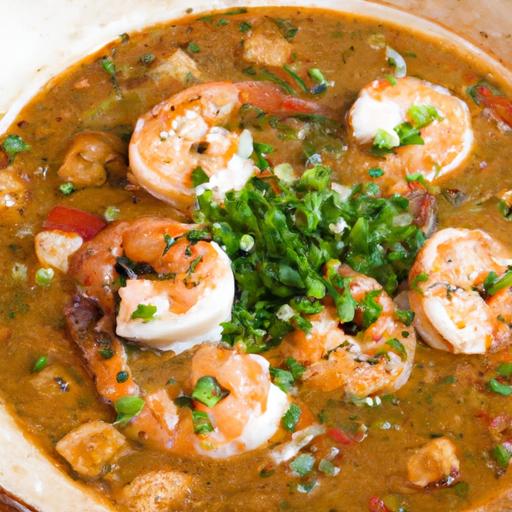

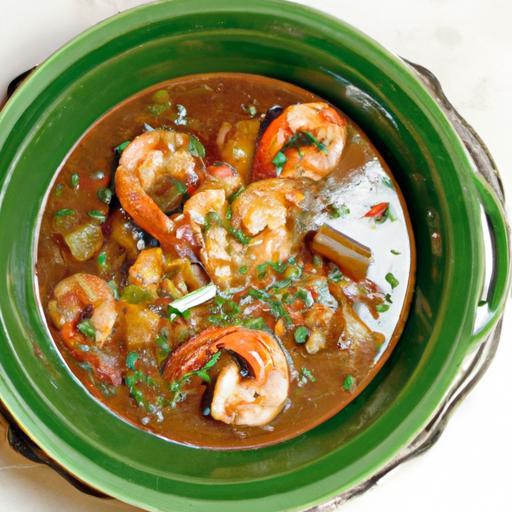
In the heart of Southern kitchens, where tradition simmers alongside innovation, seafood gumbo stands as a flavorful testament to the region’s rich cultural tapestry. This beloved stew, brimming with the briny bounty of oceans and the earthy warmth of carefully blended spices, invites food lovers on a sensory journey unlike any other. “Savor the Flavors: A Deep Dive into Classic seafood Gumbo” unravels the history, ingredients, and techniques behind this iconic dish, revealing why each spoonful is more than just a meal-it’s a festivity of heritage, community, and the art of soulful cooking. Join us as we explore the layers of taste and tradition that make seafood gumbo a timeless classic on tables and in hearts across the South and beyond.
Savor the Flavors: A Deep Dive into Classic Seafood Gumbo
Savor the flavors of classic seafood gumbo,a dish steeped in tradition,rich culture,and the vibrant culinary heritage of Louisiana’s bayous. This iconic stew is a celebration of fresh seafood, bold spices, and soulful cooking techniques passed down through generations. From its Creole and Cajun roots to the hands that prepare it today, seafood gumbo embodies a story of community, resilience, and love poured into every simmering pot.
Prep and Cook Time
- Planning: 25 minutes
- Cooking: 1 hour 30 minutes
- Total Time: 1 hour 55 minutes
Yield
Serves 6 hearty portions
Difficulty Level
Medium - perfect for home cooks ready to master foundational Cajun techniques
Ingredients
- 1 cup all-purpose flour, sifted
- 1 cup vegetable oil
- 1 large yellow onion, finely diced
- 1 cup celery, finely chopped
- 1 cup green bell pepper, diced
- 4 cloves garlic, minced
- 1 quart seafood stock or low-sodium fish broth
- 1 can (14 oz) diced tomatoes, drained
- 1 teaspoon smoked paprika
- 1 teaspoon cayenne pepper (adjust to taste)
- 2 teaspoons Creole seasoning
- 1 bay leaf
- 1 pound medium shrimp, peeled and deveined
- 1 pound crab meat, preferably lump
- 1/2 pound Andouille sausage, sliced
- 1 cup okra, sliced (fresh or frozen)
- 2 cups cooked white rice
- Salt and freshly ground black pepper, to taste
- 2 tablespoons chopped fresh parsley
- 3 stalks green onions, sliced
Instructions
- Craft the roux: In a heavy-bottomed pot, combine the flour and oil over medium heat. stir continuously with a wooden spoon for about 20-25 minutes until the roux turns a deep, rich caramel brown-this is the foundation of your gumbo’s signature flavor. Be patient; rushing can cause burning.
- Add the sacred “holy trinity”: Instantly add the diced onions, celery, and bell pepper to the roux.Sauté until soft and fragrant, about 7 minutes, stirring frequently to combine the flavors and avoid lumps.
- Garlic and spices: Stir in the minced garlic, smoked paprika, cayenne, Creole seasoning, and bay leaf. Let it cook for 2 minutes to bloom the spices.
- Build the broth: Slowly add the seafood stock while whisking to incorporate the roux smoothly. Bring the mixture to a simmer and add drained diced tomatoes. Lower the heat and allow the gumbo to cook gently for 45 minutes, stirring occasionally.
- Add the hearty ingredients: Stir in the sliced Andouille sausage and okra. Simmer for another 15 minutes to meld textures and flavors.
- Finish with fresh seafood: Carefully fold in the shrimp and crab meat, cooking just until the shrimp turn pink and firm, about 5 minutes. Avoid overcooking to preserve delicate seafood flavors.
- Season and serve: Taste and adjust salt, pepper, or spice. Remove the bay leaf before spooning gumbo over fluffy cooked white rice.Garnish with chopped parsley and green onions for a burst of freshness.
Tips for Success
- Roux mastery: Stir constantly during the roux stage to prevent scorching.The darker the roux, the deeper the flavor-aim for a chocolate-brown shade, but don’t go past burnt.
- Fresh seafood selection: Use fresh, wild-caught seafood when possible for vibrant taste and texture. If unavailable,high-quality frozen works well.
- Broth balance: Build flavor gradually with spices and stock. If preferred spiciness is mild, reduce cayenne and Creole seasoning accordingly.
- Make ahead: Gumbo flavors deepen overnight. Reheat gently and add fresh seafood only when serving if planning ahead.
- Vegetarian option: Substitute seafood and sausage with smoked mushrooms and vegetable stock for a smoky, hearty twist.
Serving Suggestions
Present your gumbo steaming hot in wide, shallow bowls to showcase its hearty, colorful components.Serve alongside crusty French bread or warm cornbread to soak up every drop of that luscious sauce. A crisp green salad and a squeeze of fresh lemon brighten the plate beautifully. For an authentic touch, top with a sprinkle of freshly chopped parsley and sliced green onions to awaken the senses.

Nutritional Details (Per Serving)
| Calories | protein | Carbohydrates | Fat |
|---|---|---|---|
| 410 kcal | 35 g | 30 g | 15 g |
For more insight on Cajun spices and their cultural importance, check out our Ultimate guide to Cajun Spices. Learn about the deep roots and regional variations that bring gumbo and similar dishes to life globally by visiting Food & Wine’s in-depth roux guide.
Q&A
Q&A: Savor the Flavors – A Deep Dive into Classic Seafood Gumbo
Q1: What exactly is seafood gumbo, and why is it so beloved?
A1: Seafood gumbo is a rich, hearty stew hailing from Louisiana’s vibrant culinary tapestry. Brimming with an array of seafood-shrimp,crab,oysters,and sometimes fish-it melds bold spices with the soulful depth of a dark roux and the “holy trinity” of celery,bell pepper,and onion. It’s beloved for its comforting warmth, complex layers of flavor, and its role as a communal dish that brings people together around the table.
Q2: What makes seafood gumbo diffrent from other types of gumbo?
A2: while gumbo can feature chicken, sausage, or even duck, seafood gumbo highlights the ocean’s bounty. Its seafood-forward profile requires a gentler hand during cooking to preserve the delicate texture and freshness of the shellfish and fish. Plus, the briny sweetness of seafood adds a unique depth that distinguishes it from its meatier cousins.
Q3: How crucial is the roux in a classic seafood gumbo?
A3: The roux is the soul of gumbo-think of it as the magical starting point. Made by slowly cooking flour and fat until it deepens to a rich brown,the roux imparts a nutty,toasted flavor that forms the stew’s foundation. For seafood gumbo, a medium to dark roux adds richness without overwhelming the delicate seafood flavors.
Q4: What role does the “holy trinity” play in seafood gumbo?
A4: The “holy trinity” refers to celery, bell peppers, and onions-a savory trio that creates a vibrant flavor base. These vegetables are gently sautéed to build layers of aroma and sweetness, balancing the spices and enriching the stew’s texture. They’re essential for grounding the gumbo in Louisiana tradition.Q5: Can you make seafood gumbo ahead of time, or does it lose its charm?
A5: gumbo actually loves a little time to get acquainted! Making it ahead allows the flavors to deepen and harmonize, often intensifying its character by the next day. Just be mindful to add the seafood near the end of cooking or when reheating, to keep it tender and fresh.
Q6: What spices and seasonings are key to achieving that authentic gumbo flavor?
A6: Authentic gumbo seasoning is a balance of warmth and brightness-think cayenne pepper, paprika, thyme, bay leaves, and sometimes a pinch of file powder (ground sassafras leaves) added at the vrey end for a subtle earthy finish. Salt and freshly ground black pepper tie everything together, while garlic adds a pungent snap.
Q7: What’s the best way to serve seafood gumbo?
A7: Traditionally,seafood gumbo is ladled over a bed of fluffy white rice,which soaks up the flavorful broth like a sponge. Add a sprinkle of fresh chopped parsley or green onions for a pop of color and freshness. Serve alongside crusty French bread or cornbread to mop up every last drop-because in gumbo, every spoonful counts.
Q8: Are there any tips for sourcing the best seafood for gumbo?
A8: Freshness is queen! opt for the freshest shrimp, crab, and oysters you can find-locally sourced if possible. If fresh seafood isn’t an option, high-quality frozen varieties work well too. Just be sure to thaw them gently and avoid overcooking to preserve their sweet, tender character.
Q9: How has seafood gumbo evolved through the years?
A9: Gumbo mirrors Louisiana’s rich cultural melt pot, evolving from Native American, french, Spanish, and African influences. Seafood gumbo, in particular, showcases the region’s ties to the Gulf Coast and its abundant marine life. Modern chefs experiment with ingredients and spices, but the heart of the dish remains a celebration of flavor, community, and heritage.
Q10: Why should someone new to gumbo give seafood gumbo a try?
A10: As it’s more than just a meal-it’s an experience. Seafood gumbo invites you to savor diverse textures and tastes in every bite, from silky broth to succulent shellfish. It connects you to a vibrant culture and tradition, warming more than just your stomach. For anyone curious about Southern cuisine, it’s a flavorful, soulful gateway.
Dive in with your spoon and savor the symphony of flavors that make classic seafood gumbo a timeless treasure!
The Way Forward
As the last spoonful of classic seafood gumbo warms the soul,we find ourselves not just satisfied but enriched-immersed in a centuries-old tapestry of flavors and stories from the gulf Coast. This beloved dish is more than a meal; it’s a celebration of tradition, community, and the vibrant bounty of the sea. Whether you’re a seasoned chef or a curious food lover,savoring gumbo invites you to explore the delicate balance of spices,textures,and history that make it truly timeless. So next time you sit down to enjoy a steaming bowl, remember: you’re partaking in a culinary journey that connects generations and cultures-one delicious ladle at a time.