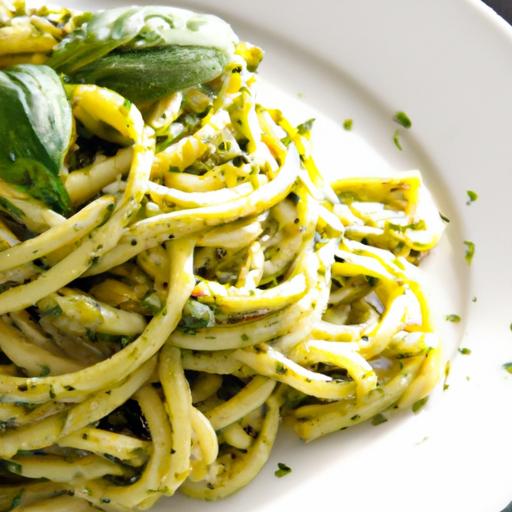

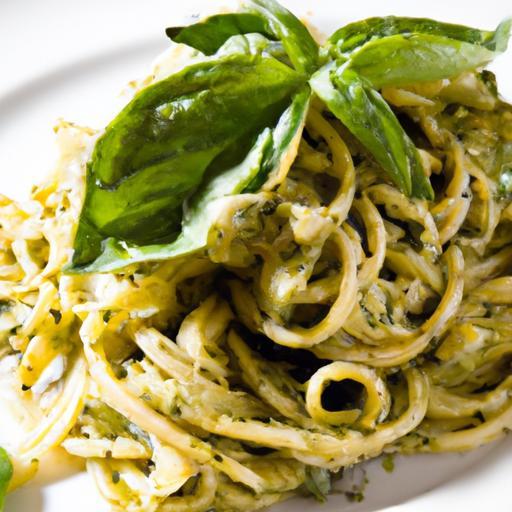
Ther’s something undeniably magical about the simple combination of fresh basil, garlic, pine nuts, Parmesan, and olive oil coming together to form pesto-a sauce that transforms ordinary pasta into an remarkable feast. But mastering the art of crafting the perfect pesto pasta meal goes far beyond just blending ingredients. It’s about understanding the harmony of flavors, selecting the right pasta shapes, and knowing the techniques that elevate every bite. In this ultimate guide, we’ll dive deep into the vibrant world of pesto pasta, uncover expert tips, and inspire you to create dishes that burst with freshness and soul.Whether you’re a seasoned cook or a curious beginner, get ready to unlock the secrets behind the perfect pesto pasta experience.
The journey to creating a show-stopping pesto pasta begins with selecting the freshest ingredients, where each element contributes its own vibrant layer of flavor and texture. When herbs arrive lush and fragrant, and nuts are perfectly toasted, the pesto transforms into a lively, aromatic sauce that elevates any pasta dish.In this guide, you’ll learn how to blend fragrant basil leaves with the ideal nuts, and balance their texture and taste, creating a luscious sauce that coats every strand of pasta beautifully.
Prep and Cook Time
- Preparation: 15 minutes
- Cooking: 10 minutes
- Total: 25 minutes
Yield
Serves 4 generous portions
Difficulty Level
Easy – Perfect for both beginners and seasoned cooks
Ingredients
- 2 cups fresh basil leaves, packed, washed and gently dried
- 1/2 cup toasted pine nuts (or substitute with walnuts or almonds for a different twist)
- 3/4 cup extra virgin olive oil, high quality for best flavor
- 1/2 cup freshly grated Parmigiano-reggiano cheese
- 2 cloves garlic, peeled and minced
- 1 tablespoon freshly squeezed lemon juice (balances richness and brightens the flavor)
- Salt to taste, ideally sea salt or kosher salt
- Freshly ground black pepper, to taste
- 12 ounces of your favorite pasta (see perfect pairings below)
Instructions
- Toast the nuts. In a dry skillet over medium heat, toast the pine nuts (or chosen nut) for 3-5 minutes, stirring frequently until golden and fragrant. Set aside to cool.
- Prepare the basil. pluck the basil leaves from their stems, rinse gently under cold water, and dry them using a salad spinner or a clean towel.Excess moisture can dilute the pesto’s flavor.
- Pulse the ingredients. In a food processor, combine basil leaves, cooled toasted nuts, garlic, and a pinch of salt. Pulse 5-6 short bursts to break down the ingredients without pureeing into a paste.
- Slowly drizzle olive oil. With the processor running on low, slowly add olive oil in a steady stream until the mixture is smooth yet still has some texture.
- Incorporate cheese and lemon juice. Add the grated Parmigiano-Reggiano and lemon juice, pulsing just to combine.The lemon juice sharpens the flavor and helps preserve the radiant green color.
- Season. Taste and adjust with additional salt and freshly ground pepper as needed.
- Cook your pasta. Boil in salted water until al dente, following the package instructions closely. reserve 1 cup of pasta cooking water before draining.
- Toss the pasta with pesto. In a large bowl, mix the drained pasta with the pesto, adding reserved pasta water a little at a time to achieve a silky, clingy sauce that lightly coats each noodle.
Chef’s Notes
- For a nuttier pesto, experiment with toasted walnuts or almonds, which add depth and a subtle earthiness.
- Use fresh, young basil for the brightest flavor; older leaves can taste bitter.
- If your pesto is too thick, gently thin it with more olive oil or warm pasta water.
- Make pesto ahead of time and store in an airtight container with a thin layer of olive oil on top to prevent oxidation; it keeps fresh for up to 3 days in the refrigerator.
- Blending by hand with a mortar and pestle creates a rustic texture that some chefs prefer for its vibrant,chunky taste.
Perfect Pasta Pairings to Elevate Your Pesto Experience
Choosing a pasta shape that embraces the sauce is essential to an unforgettable meal. Long, flat ribbons like fettuccine or linguine provide a broad canvas for pesto’s luscious coating, while twisted shapes like trofie or fusilli trap bits of nut and basil in their spirals, creating bursts of flavor in each bite.
- trofie: The Ligurian customary choice, ideal for pesto’s thick texture.
- Fettuccine or linguine: Silky surfaces capture every drop of the sauce.
- Orecchiette: Small ear-shaped pasta that nestles spoonfuls of pesto.
- Casarecce: Twisted tubes that hold sauce,nuts,and cheese beautifully.
Expert Tips for Storing and Serving Pesto Pasta Like a Pro
- Store leftover pesto separately in a glass container; drizzle olive oil over the surface to avoid browning.
- Reheat pesto pasta gently in a pan over low heat with a splash of water or broth to restore creaminess without breaking the emulsion.
- Serve with a sprinkle of freshly grated cheese and a few toasted pine nuts for texture contrast.
- Finish with a bright twist of lemon zest or a handful of fresh basil leaves for a restaurant-quality presentation.
- pair with a crisp white wine such as Vermentino or Sauvignon Blanc to complement the herbal notes.
| Nutrient | Per Serving |
|---|---|
| Calories | 460 kcal |
| Protein | 14 g |
| Carbohydrates | 42 g |
| Fat | 24 g |
For those interested in deepening their pasta skills and exploring regional Italian touches,check out our regional Italian pasta recipes. To further appreciate the origins and nutritional benefits of basil and nuts in Mediterranean cuisine, visit Medical News Today.

Q&A
Q&A: The Ultimate Guide to Crafting perfect Pesto Pasta Meals
Q1: What makes pesto pasta such a timeless favorite?
A1: Pesto pasta marries simplicity with a burst of fresh, vibrant flavors. It’s the perfect harmony of fragrant basil, nutty pine nuts, rich Parmesan, and luscious olive oil.this combination elevates humble pasta into a dish that’s both comforting and gourmet-ready in minutes but packed with layered textures and aromas.
Q2: Can I use any type of pasta for pesto dishes?
A2: Absolutely! While traditional pesto pairs beautifully with strands like linguine or trofie (a Ligurian classic), don’t hesitate to experiment. Twists, fusilli, or even short pasta like penne catch the sauce in their grooves and crevices, ensuring every bite bursts with that iconic green goodness.
Q3: What’s the secret to making a vibrant, fresh-tasting pesto every time?
A3: Freshness is king. Use young, tender basil leaves harvested on the same day if possible, top-quality extra virgin olive oil, and freshly grated Parmesan.Toast your pine nuts lightly for extra depth. And remember-pulse everything gently; over-blending can bruise the basil and dull its bright flavor.
Q4: Are there exciting pesto variations beyond the classic basil?
A4: Definitely! Swap basil for arugula for a peppery punch, kale or spinach for earthy notes, or even cilantro for a zesty twist. Try walnuts or almonds in place of pine nuts to give your pesto a rustic texture and a nutty flavor profile that’s equally divine.
Q5: How do I ensure my pesto pasta isn’t greasy or clumpy?
A5: The trick is balance. Toss the cooked pasta with a bit of pasta water first to help the sauce emulsify and cling perfectly. Use a moderate amount of pesto and olive oil to coat each strand lightly-think satin rather than slippery. Freshly grated cheese added at the end melts just enough to bind everything harmoniously.
Q6: Can pesto pasta be served warm and cold?
A6: Yes, pesto pasta is a versatile star! Serve it warm to highlight the fresh, fragrant qualities, or chilled as a refreshing pasta salad, perfect for picnics and potlucks. Just add a squeeze of lemon and some crisp veggies to brighten the chilled version.
Q7: What protein or vegetable add-ons work best with pesto pasta?
A7: Grilled chicken, sautéed shrimp, or crispy pancetta add wonderful richness. For veggies, think roasted cherry tomatoes, tender asparagus, or sweet peas-they add bursts of color and complementary flavors without overpowering the pesto’s delicate balance.
Q8: How can beginners avoid common pesto pitfalls?
A8: Avoid wilting your basil by blending only when ready to use. Don’t skimp on quality ingredients-they truly make or break the dish. And remember, less is more: start with small amounts of ingredients and adjust to taste. This approach ensures a pesto pasta that’s fresh, balanced, and irresistibly delicious.
Crafting the perfect pesto pasta is an art that blends freshness, balance, and creativity. Use this guide as your roadmap, and soon you’ll be twirling forkfuls of green-hued delight that sing with every bite. Bon appétit!
Future Outlook
As you embark on your pesto pasta adventures, remember that the magic lies not just in the ingredients, but in the love and creativity you bring to each dish. Whether you stick to the classic basil blend or experiment with vibrant twists, crafting the perfect pesto pasta is a delicious journey that rewards both your palate and your spirit.So gather your freshest herbs, sharpen that grater, and let every twirl of pasta tell a story of flavor, freshness, and culinary passion. Here’s to many more mouthwatering meals-and to pesto perfection on every plate!