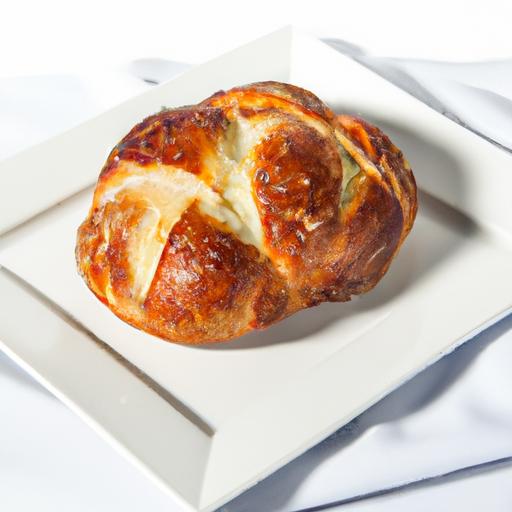

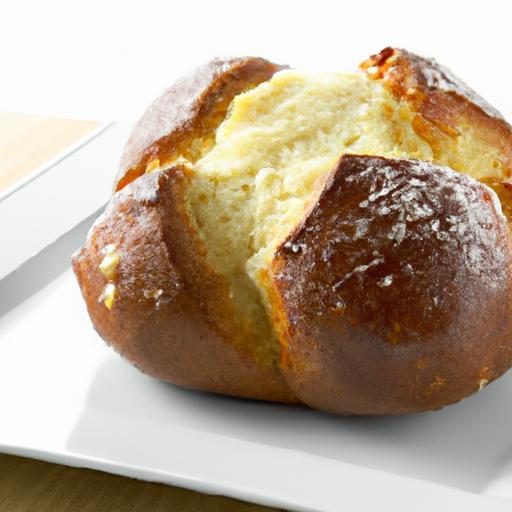
There’s something undeniably enchanting about brioche-the way its golden crust gleams in the morning light, the tender crumb that melts effortlessly on your tongue, and that rich, buttery aroma that fills the kitchen with promise. More than just a bread, brioche is a celebration of texture and flavor, a decadent canvas where tradition meets indulgence. In this article, we’ll peel back the layers of brioche’s storied past, explore the alchemy behind its luxurious crumb, and reveal the tips and tricks that turn simple ingredients into a buttery masterpiece. Prepare to embark on a journey into the heart of brioche bliss, where every bite tells a deliciously buttery tale.
Brioche Bliss begins the moment you embark on crafting its luscious dough,where the alchemy of rich butter and fresh eggs transforms simple ingredients into a golden masterpiece. This French classic enchants with its tender crumb and buttery aroma, making every bite a celebration of texture and flavor.Unlocking the secrets behind these ingredients will not only elevate your baking skills but also bring authentic warmth and indulgence to your kitchen.
Prep and Cook Time
- Preparation: 30 minutes
- First Rise: 1 hour 30 minutes
- Second Rise: 45 minutes
- Baking: 25-30 minutes
- Total Time: Approximately 3 hours 15 minutes
Yield
Yields 8 generous brioche rolls or one 9-inch loaf.
Difficulty Level
Medium – Ideal for bakers cozy with yeast doughs and patient with rises.
Ingredients
- 4 cups (500g) all-purpose flour, sifted
- 1/4 cup (50g) granulated sugar
- 2 tsp active dry yeast
- 1 tsp fine sea salt
- 1/2 cup (120ml) warm whole milk (about 110°F/43°C)
- 5 large eggs, at room temperature
- 1 cup (225g) unsalted butter, softened to room temperature and cut into cubes
- Optional: 1 egg (for wash), beaten with 1 tbsp water for brushing
Instructions
- Activate the yeast: In a small bowl, combine warm milk with sugar and yeast. Stir gently and let it rest for 5-10 minutes until foamy-this assures a lively yeast and a perfect rise.
- Mix dry ingredients: In a large mixing bowl or stand mixer, whisk together the sifted flour and sea salt. Keep salt away from the yeast mixture to avoid inhibiting fermentation.
- Add eggs and yeast mixture: Slowly pour the yeast mixture and 4 eggs into the flour while mixing on low speed using a dough hook. Continue for 5 minutes until the dough begins to pull away from the bowl.
- Incorporate butter: Gradually add softened butter cubes, a few at a time, mixing slowly. Each addition should be fully absorbed before adding more-this step is key for the signature tender crumb and buttery flavor.
- Knead: Increase mixer speed to medium and knead for 8-10 minutes until the dough is smooth, elastic, and slightly sticky but holding shape. It should pass the “windowpane test” when stretched gently.
- First rise: Transfer the dough to a lightly oiled bowl and cover it with plastic wrap or a damp kitchen towel. Place in a warm environment (~75°F/24°C) and let rise until doubled in size, about 1½ hours.
- Chill: Punch down the dough gently, cover tightly, and refrigerate for 2-4 hours or overnight.This resting enhances flavor complexity and makes shaping easier.
- Shape: Turn chilled dough onto a floured surface, divide into 8 equal portions or shape into your preferred loaf form. Place dough pieces into a buttered loaf pan or arranged on a baking sheet lined with parchment paper.
- Second rise: Cover loosely and let proof for 45 minutes until puffy and nearly doubled. Beware of over-proofing-press lightly; if dough springs back slowly, it’s ready.
- Egg wash and bake: Preheat your oven to 375°F (190°C). Brush dough gently with egg wash for that irresistibly shiny, golden crust. Bake 25-30 minutes until brioche is deeply golden and sounds hollow when tapped.
- Cool: Remove brioche from the pan and cool wholly on a wire rack before slicing, allowing the crumb to set beautifully.
Chef’s Notes
- For a richer texture, swap half the all-purpose flour with bread flour.
- If your kitchen is cool, create a warm proofing environment by placing the dough near a warm oven or on top of a radiator (covered) to encourage optimal rising.
- Unsalted butter is essential for controlling salt levels; though, high-quality European-style butter with 82% fat content enhances flavor dramatically.
- Dough can be prepared a day ahead and kept refrigerated overnight for convenience and flavor development.
- For a lightly sweet version, add zest of one lemon or orange to the dough alongside the flour for subtle aromatic notes.
- Troubleshooting: If your dough is too sticky after adding butter, chill for 15 minutes and knead lightly again.
Serving Suggestions
Brioche’s luxurious texture lends itself to endless possibilities. Serve warm with a pat of melting honey butter or your favorite fruit preserves for breakfast. For savory pairings, slice and toast to accompany sharp cheeses, smoked salmon, or as a base for elegant canapés. Garnish with fresh herbs such as thyme or a dusting of powdered sugar for an elevated presentation.

Nutritional Facts (per serving)
| Calories | Protein | Carbohydrates | fat |
|---|---|---|---|
| 320 kcal | 8g | 35g | 18g |
For more delightfully rich bread recipes, check out our Egg-Enriched Dough Masterclass. To understand more about yeast and fermentation science behind perfect dough, visit King Arthur Baking’s Bread Guide.
Q&A
Q&A: Brioche Bliss – Unraveling the Secrets of This Buttery Bread
Q1: What exactly is brioche, and why is it considered so special?
A1: Brioche is a luxurious French bread that dances between the realms of bread and pastry.Rich with butter and eggs, its tender crumb and golden crust create a subtly sweet, melt-in-your-mouth experience. It’s special because it embodies indulgence while remaining versatile enough to be both a breakfast treat and a foundation for savory dishes.
Q2: Where did brioche originate, and how did it earn its buttery reputation?
A2: Brioche hails from the northern regions of France, believed to have roots dating back to the middle Ages. Its name might derive from the old Norman word brier, meaning “to knead.” Its buttery reputation stems from the generous amount of butter folded into the dough,creating that rich texture and flavor – a hallmark that sets brioche apart from everyday breads.
Q3: What makes brioche dough different from other bread doughs?
A3: Unlike lean bread doughs that emphasize flour, water, yeast, and salt, brioche dough is enriched with a lavish mix of eggs and butter. This enriches the dough with fat and protein, leading to a softer gluten network that bakes into a delicate, fluffy crumb. The kneading process is trickier – requiring patience and precision – to coax out brioche’s signature silkiness without tearing the dough’s structure.
Q4: Can you share a secret ingredient or technique to make brioche truly blissful?
A4: The secret lies in patience and temperature control.Letting the dough rise slowly at a cool temperature enhances flavor complexity and texture. Also, using high-quality butter – preferably European-style with higher fat content – infuses the bread with exceptional creaminess.And for an extra touch of magic, a gentle egg wash before baking creates that iconic glossy sheen and golden hue.
Q5: How versatile is brioche in the kitchen?
A5: Brioche is culinary chameleon at its finest. It’s sublime toasted with jam or honey for breakfast, a decadent base for French toast, or a fluffy bun for gourmet burgers and sandwiches. Pastry chefs transform it into elegant desserts like pain au chocolat or brioche à tête. Its buttery richness elevates every bite, no matter sweet or savory.
Q6: What should beginners keep in mind when baking brioche at home?
A6: First, don’t rush the process-brioche requires time to develop its texture and flavor through slow fermentation. Use room-temperature eggs and softened butter to blend smoothly. Don’t skimp on kneading; it’s the gentle coaxing of gluten that builds its airy structure. Lastly,watch your oven temperature closely-too hot,and the crust burns before the center cooks; too cool,and it won’t rise properly.
Q7: Why has brioche remained a beloved classic in baking traditions?
A7: brioche thrives because it effortlessly balances indulgence with sophistication.It tells a story of heritage and craftsmanship through each buttery bite. Simple yet decadent, it invites both home bakers and professionals to explore creativity while enjoying timeless flavor.Brioche’s enduring charm lies in its ability to transform humble ingredients into pure bliss.
In Summary
From its golden crust to its tender, buttery crumb, brioche is more than just bread-it’s a celebration of richness and craftsmanship. As we’ve unraveled the secrets behind this decadent delight, it’s clear that creating the perfect brioche is both an art and a science, requiring patience, quality ingredients, and a touch of love. Whether enjoyed at breakfast, transformed into an indulgent dessert, or simply savored on its own, brioche invites us to slow down and appreciate the simple pleasures baked into every bite. So next time you slice into that soft,glossy loaf,remember the story and skill that make brioche truly blissful.