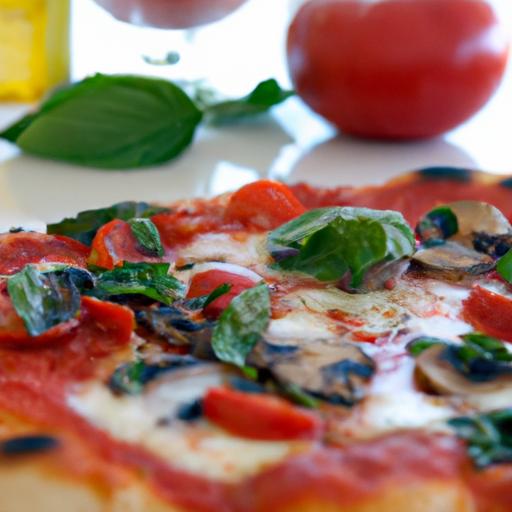

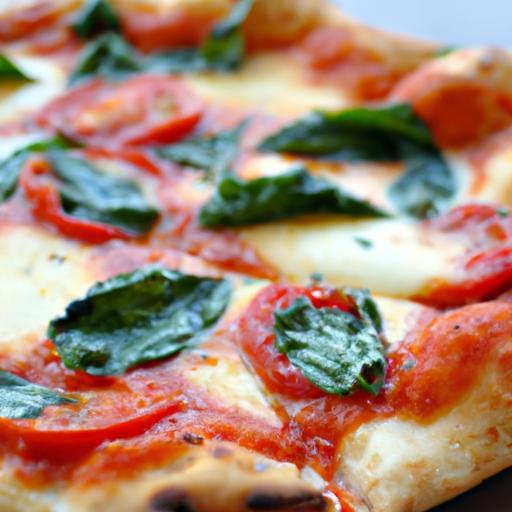
There’s something truly magical about the simplicity of a Margherita pizza-the vibrant red of ripe tomatoes, the creamy white of fresh mozzarella, and the bright green of fragrant basil leaves, all harmonizing atop a golden, crispy crust. Crafting the perfect homemade Margherita pizza is both an art and a joyful culinary adventure, inviting you to transform a handful of humble ingredients into a masterpiece bursting with flavor. Whether you’re a seasoned home cook or a curious beginner, this guide will walk you through the essential steps and secrets to creating your own slice of Italian sunshine, right in your kitchen. Let’s embark on a flavorful journey to savor the timeless delight of a true Margherita pizza.
Crafting the perfect homemade Margherita pizza delight begins with an uncompromising commitment to quality-starting with the ingredients. Selecting the finest tomatoes,fresh mozzarella,and fragrant basil sets the foundation for a truly authentic taste that will transport you straight to Naples with every bite.
Prep and Cook Time
- Preparation: 20 minutes
- Proofing Dough: 1 hour 30 minutes
- Cooking Time: 10-12 minutes
- Total Time: Approximately 2 hours
Yield
Serves 2 to 3 pizza lovers, with one 12-inch pizza yield
difficulty Level
Medium – ideal for home cooks ready to master dough handling and balance flavors
Ingredients
- For the Dough:
- 2 ¼ tsp (1 packet) active dry yeast
- 1 ¼ cups warm water (110°F/45°C)
- 3 cups all-purpose flour, sifted
- 1 tbsp extra virgin olive oil
- 1 tsp fine sea salt
- 1 tsp granulated sugar
- For the Sauce:
- 1 cup high-quality canned San Marzano tomatoes, crushed by hand
- 1 small garlic clove, minced
- 1 tbsp extra virgin olive oil
- Pinch of sea salt
- Freshly ground black pepper, to taste
- For the Toppings:
- 7 oz fresh mozzarella di bufala, torn into chunks
- Fresh basil leaves (about 12 leaves)
- Extra virgin olive oil, for drizzling
Instructions
- Activate the yeast: In a small bowl, combine the warm water, yeast, and sugar. Stir gently and let sit for 5-7 minutes until frothy and bubbly to ensure your yeast is alive.
- Mix the dough: In a large bowl, whisk the flour and salt together. Gradually add the yeast mixture and olive oil. Stir with a wooden spoon until the dough starts coming together.
- knead to perfection: Transfer to a floured surface and knead for 8-10 minutes until smooth, elastic, and slightly tacky but not sticky. Dust with flour as needed – the dough should bounce back gently when pressed.
- First proof: place the dough ball in a lightly oiled bowl, cover with a clean kitchen towel, and let rise in a warm spot for 1 to 1 ½ hours until doubled in size.
- Prepare the sauce: While the dough proofs, sauté the minced garlic in olive oil over medium heat until fragrant, about 1 minute. Add crushed tomatoes, salt, and pepper. Simmer gently for 10 minutes, stirring occasionally to develop a bright yet rich flavor. Let cool slightly.
- Shape your dough: Gently punch down the risen dough and roll it out on a floured surface into a 12-inch thin circle. For a rustic effect, leave some natural unevenness in the edges.
- Assemble your margherita: Spread a thin, even layer of sauce over the dough, leaving a 1-inch border for the crust. Tear mozzarella evenly on top, then scatter whole basil leaves.
- Bake to golden perfection: Preheat your oven to 500°F (260°C), ideally with a pizza stone inside, for at least 30 minutes beforehand. Slide the pizza onto the stone or a baking sheet, baking for 10-12 minutes until the crust is puffed, golden-brown, and the cheese is bubbly with light browning.
- Finishing touches: Drizzle a little extra virgin olive oil and add a few fresh basil leaves just before serving to elevate aroma and flavor.
Tips for Success
- Yeast activation is key: Ensure your water temperature is warm but not hot – too hot kills the yeast, too cold slows fermentation.
- Flour quality: Choose a high-protein flour (like bread flour) if you want extra chewiness, but all-purpose works beautifully for tender crust.
- Resting dough: Longer proofing (up to 24 hours in the fridge) will deepen flavor and improve texture. Just bring to room temp before shaping.
- Sauce flavor boost: Avoid cooking the tomato sauce too long or adding excessive herbs to keep it fresh, bright, and true to classic Margherita taste.
- Oven heat: Use your pizza stone or baking steel for even heat distribution and crispy crust. Preheating is critical!
serving Suggestions
Serve your pizza hot from the oven, paired with a light greens salad dressed with lemon and olive oil. Garnish the pizza with a sprinkle of flaky sea salt and a fresh crack of black pepper. A chilled glass of dry Italian white wine, such as Verdicchio, perfectly complements the delicate balance of tomato and cheese. For an inviting presentation, slice into rustic wedges and serve on a wooden board lined with parchment paper.
| Nutrient | Per Serving (1/3 pizza) |
|---|---|
| Calories | 320 kcal |
| Protein | 15 g |
| Carbohydrates | 40 g |
| Fat | 12 g |

Discover more artisan pizza techniques with our Ultimate Pizza Dough Guide and expand your homemade pizza repertoire. For detailed insights on various tomato varieties,check out this expert article on Serious Eats.
Q&A
Q&A: Crafting the Perfect Homemade Margherita Pizza Delight
Q1: What makes a Margherita pizza truly authentic?
A1: Authenticity in a Margherita pizza lies in its simplicity and quality. It’s all about fresh, high-quality ingredients: ripe San Marzano tomatoes, creamy fresh mozzarella, fragrant basil leaves, a drizzle of extra virgin olive oil, and a perfectly thin, chewy crust. Each component shines on its own,yet harmonizes beautifully.Q2: How can I achieve that perfect, crispy yet chewy crust at home?
A2: The secret to a perfect crust starts with your dough. Use a high-protein flour (like bread flour) for chewiness, and give your dough enough time to ferment-ideally 24 to 48 hours in the fridge. When baking, a very hot oven (ideally 500°F or higher) mimics the wood-fired ovens pizzerias use, producing a crisp outside and tender inside. A pizza stone or steel can help distribute heat evenly for that golden crunch.
Q3: what’s the best way to prepare the tomato sauce for a Margherita?
A3: Less is more here. Use crushed San Marzano tomatoes straight from the can-no cooking necessary. Just drain excess liquid if it’s too watery, then lightly season with salt and a touch of good olive oil. The fresh tomato flavor should be bright and vibrant, complementing rather than overpowering the pizza.
Q4: Can I substitute fresh mozzarella without sacrificing flavor?
A4: Fresh mozzarella is prized for its creamy texture and mild tang, key to a Margherita’s character. If you can’t find fresh, opt for high-quality low-moisture mozzarella, but be aware it won’t melt with quite the same silkiness. for the fullest flavor, drain fresh mozzarella on paper towels to remove excess moisture before using.
Q5: How vital is the basil, and when should it be added?
A5: Basil isn’t just garnish-it’s the aromatic heart of the Margherita.add fresh basil leaves after baking to preserve their vibrant color and peppery fragrance. If you bake the leaves, they tend to wilt and darken, losing their bright, fresh personality.
Q6: Any tips for assembling and baking the pizza?
A6: Stretch your dough gently by hand to maintain air bubbles for a light, airy crust. Spread a thin layer of sauce, leaving a small border. Tear mozzarella into chunks rather than slicing for uneven melting and creaminess. Bake on a preheated stone or steel to ensure rapid cooking. Once out of the oven, add basil and a final drizzle of olive oil for that irresistible finish.
Q7: How can I add my own creative twist without losing the essence of a Margherita?
A7: Keep the base classic, then experiment subtly-try a sprinkle of sea salt flakes, a dusting of freshly cracked black pepper, or a splash of balsamic reduction after baking. some like a hint of garlic infused in the olive oil or a scattering of grated Parmesan for extra umami. Just remember, the magic of a Margherita lies in balance, so enhancements should elevate, never overwhelm.
Dive into your kitchen with confidence-this humble pizza is a perfect canvas for passion, patience, and pure Italian delight! Buon appetito!
In Conclusion
As you master the art of crafting the perfect homemade Margherita pizza, you’re not just assembling ingredients-you’re creating a timeless experience that celebrates simplicity and flavor in every bite. From the crisp,golden crust to the fresh basil leaves dancing atop melted mozzarella,each step invites you to connect with tradition and your own culinary creativity. So, roll up your sleeves, embrace the process, and let your kitchen become a pizzeria where every Margherita pizza is a personal masterpiece waiting to be savored. After all, the true delight of homemade pizza lies not just in the taste, but in the joy of making it yourself.