
Nestled along the rugged coasts of New England,where the Atlantic Ocean meets time-honored tradition,there exists a culinary treasure both simple and sublime: clam chowder. more than just a soup, this velvety cream and briny sea meld together to tell a story of coastal heritage, resourcefulness, and comfort. In “Velvet Cream & Sea: Exploring New England Clam Chowder,” we dive beyond the steaming bowl to uncover the origins,variations,and timeless allure of a dish that has warmed generations with every savory spoonful. Join us as we journey through salty bays and creamy depths, savoring the rich history and flavors that make this chowder an enduring emblem of New England’s coastal charm.
velvet Cream & Sea: Exploring New England Clam Chowder
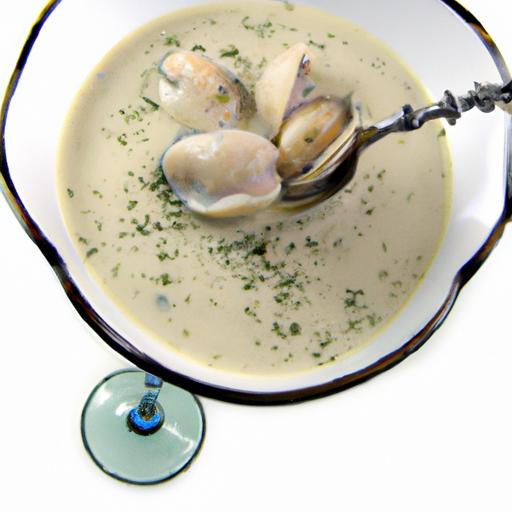
Velvet Cream & Sea: Exploring New England Clam Chowder reveals a culinary treasure deeply intertwined with the coastal heritage of northeastern America. This iconic soup, celebrated for its luscious, creamy texture and briny clam essence, is more than comfort food-it’s a story of tradition, resourcefulness, and regional pride passed down through generations. Imagine steamy bowls filled with tender clams, smoky bacon, and silky potatoes, wrapped in a velvet cream broth that warms the soul-this is chowder at its most soulful.
Prep and Cook Time
- preparation: 20 minutes
- Cooking: 40 minutes
- Total: 1 hour
Yield
Serves 6 generous bowls
Difficulty Level
Medium – perfect for home cooks ready to elevate their seafood repertoire
Ingredients
- 4 cups fresh clams (use a mix of little neck and cherrystone if possible)
- 6 slices thick-cut bacon, diced
- 1 large yellow onion, finely chopped
- 2 celery stalks, diced
- 3 medium Yukon Gold potatoes, peeled and cubed (about 2 cups)
- 4 tablespoons unsalted butter
- 1/4 cup all-purpose flour (sifted)
- 3 cups clam broth (reserved from steaming clams)
- 2 cups whole milk
- 1 cup heavy cream
- 2 bay leaves
- 1 teaspoon fresh thyme, chopped
- Salt and freshly ground black pepper, to taste
- Fresh parsley for garnish
- Oyster crackers or crusty bread, optional for serving
Instructions
- Clean and steam clams: Rinse clams under cold water to remove grit. In a large pot, add clams with 1 cup water. Cover and steam over medium heat until shells open, about 6-8 minutes. Discard unopened clams. Strain and reserve the clam broth. Remove clams from shells, chop roughly, and set aside.
- Render the bacon: In a large heavy-bottomed pot, cook diced bacon over medium heat until crisp and browned, about 8 minutes. Remove bacon with a slotted spoon, leaving the fat in the pot.
- Sauté aromatics: Add butter, chopped onion, and celery to the pot with bacon fat. Sauté until translucent and fragrant, around 5-7 minutes. Stir frequently to prevent sticking.
- Create the roux base: Sprinkle the flour evenly over the softened vegetables. Stir constantly for 2-3 minutes to cook out the raw flour taste and achieve a light golden color.
- Add liquids: Gradually whisk in the reserved clam broth, then add the milk and heavy cream.Stir continuously until the mixture thickens slightly and becomes silky.
- Simmer potatoes and season: Add the cubed potatoes, bay leaves, and fresh thyme. Simmer gently over medium-low heat until potatoes are tender,about 15-20 minutes. Remove bay leaves before proceeding.
- Incorporate clams and bacon: Stir in the rinsed clams and cooked bacon. Heat through for an additional 3-5 minutes, careful not to boil, preserving the delicate clam texture.
- Season and finish: Season with salt and freshly ground black pepper to taste. Garnish with a sprinkle of bright fresh parsley before serving.
Chef’s Notes: Tips for Success
- Clam freshness: Opt for fresh clams when possible; their natural brine enhances the “velvet cream & sea” essence more than canned alternatives.
- Texture tricks: For that quintessential velvety mouthfeel, avoid boiling once cream is added, and gently simmer rather.
- Roux vigilance: Constant stirring during flour cooking prevents any gritty, pasty texture and aids in creating a smooth broth.
- Make-ahead: Chowder thickens as it rests. When reheating, add a splash of milk or clam broth to loosen it back up.
- Substitutions: Use half-and-half for a lighter version, though the rich cream is key to authenticity.
Serving Suggestions: Elevate Every Bowl
Serve piping hot in deep bowls adorned with a sprinkle of finely chopped parsley or fresh chives. Pair with buttery oyster crackers or toasted sourdough to add crunch and soak up every last drop. A crisp glass of chilled Sauvignon Blanc or a light lager complements the briny sweetness and creamy texture beautifully. For a festive touch, garnish with a slice of lemon twisted on the rim to brighten the palate.
| Nutrient | Per Serving |
|---|---|
| Calories | 320 kcal |
| protein | 18 g |
| Carbohydrates | 22 g |
| fat | 18 g |
Looking for more seafood inspiration? Check out our Classic Seafood Paella Recipe for a vibrant coastal feast.
For an in-depth dive into clam chowder’s origins,visit National Geographic’s feature on New England clam Chowder.

Q&A
Q&A: Velvet Cream & Sea – Exploring New England Clam Chowder
Q1: What makes New England clam chowder so iconic?
A1: new England clam chowder is the culinary embodiment of coastal comfort. It’s iconic for its creamy, velvety texture that perfectly balances the briny sweetness of fresh clams with the rustic heartiness of potatoes, onions, and sometimes bacon. This chowder doesn’t just fill your bowl; it transports you to fog-laden shores and salt-kissed breezes-the very essence of New England’s maritime heritage.
Q2: How did New England clam chowder originate?
A2: The chowder’s roots trace back to 18th-century new England fishermen, who crafted simple yet sustaining meals using local ingredients-fresh clams, salted pork, and root vegetables. Over time, the recipe evolved, incorporating cream and dairy, which gave the dish its signature velvet richness. The chowder is a delicious relic of colonial resourcefulness meeting culinary creativity.
Q3: What distinguishes New England clam chowder from other regional chowders?
A3: Unlike the reddish Manhattan clam chowder that uses tomatoes and a more broth-like base, New England clam chowder is defined by its creamy, white base made from milk or cream. The texture is thick and smooth, frequently enough compared to velvet, so the “velvet cream” metaphor. This creamy foundation highlights the sweetness of the clams rather than masking it, creating a savory-sweet harmony unique to New England.
Q4: Why is the creaminess so critically important in New England clam chowder?
A4: The creaminess is what sets the chowder apart, transforming humble ingredients into a luxurious experience. The silky texture not only comforts the palate but also mimics the gentle ebb and flow of the ocean waves-from which the clams come. It’s this luscious mouthfeel that invites slow, appreciative spoonfuls, making the chowder a perfect pairing for chilly coastal evenings.
Q5: Are fresh clams essential for the best New England clam chowder?
A5: Absolutely. Fresh clams bring a natural brininess and a subtle chewiness that canned or frozen clams can’t replicate. Their freshness is the cornerstone of the chowder’s flavor profile-it’s like tasting the ocean itself with every bite. When clams are fresh, the chowder sings with authenticity, capturing New England’s maritime soul.
Q6: Can you reccommend some creative twists on traditional New England clam chowder?
A6: Of course! Some chefs add a splash of smoky bacon or incorporate fresh herbs like thyme and parsley to brighten the richness. Others experiment by finishing the chowder with a dash of sherry or a hint of cayenne for subtle heat. vegan versions use coconut milk and seaweed to mimic creaminess and ocean flavors, honoring tradition while inviting innovation. But no matter the twist, the key remains that harmonious dance of cream and sea.
Q7: How is New England clam chowder best served and enjoyed?
A7: traditionally,it’s ladled hot into a sturdy bowl,frequently enough paired with oyster crackers or a slice of buttered,toasted brown bread. Some prefer it served in a sourdough bread bowl,enhancing the rustic experience. It’s a dish best savored slowly, ideally with the sound of crashing waves or by a fireside, soaking in the full sensory story of New England’s coast.
Q8: why does New England clam chowder hold such a special place in American culinary culture?
A8: Beyond its delicious taste, New England clam chowder is a symbol of place and history-an edible narrative of a region shaped by the sea.It’s comfort in a bowl, a reminder of simpler times, community gatherings, and the intimate relationship between people and their environment. Its enduring popularity speaks to its ability to connect us to tradition while warming both body and soul.
whether you’re a chowder enthusiast or a curious newcomer, exploring New England clam chowder is a journey through velvet cream and the sea-a timeless tale told spoonful by spoonful.
To Conclude
As we close our culinary journey through the velvety depths of New England clam chowder,one thing remains clear: this humble bowl is more than just a soup-it’s a rich tapestry of coastal history,local bounty,and timeless tradition. From the first creamy spoonful, you taste the Atlantic’s embrace, the salted air, and the generations of hands that perfected this iconic dish. Whether enjoyed by a bustling harbor or in the quite comfort of home, New England clam chowder invites us all to savor the sea’s gifts in a velvety, comforting embrace.So next time you lift that creamy spoon,remember-you’re tasting a story as smooth and enduring as the very velvet cream that defines it.