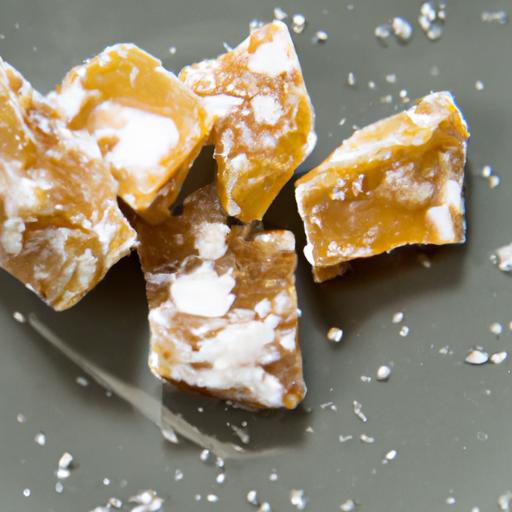

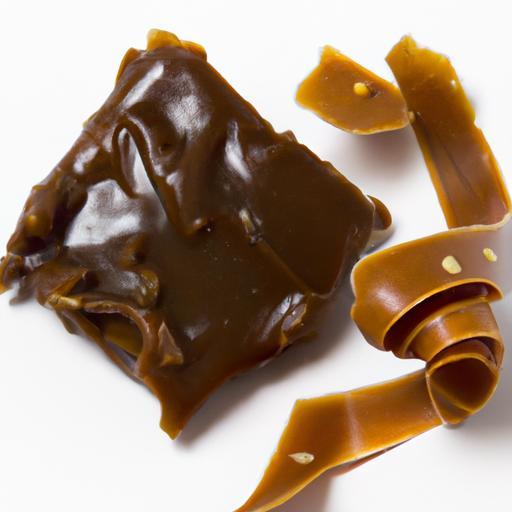
Few confections evoke nostalgia and delight quite like toffee-a perfect harmony of buttery richness and caramelized sweetness that melts on the tongue and lingers in memory. Yet, despite its simple ingredients, mastering toffee can be an artful challenge, where timing, temperature, and technique dance delicately to create that coveted brittle snap and glossy finish. in this guide, we’ll unravel the mysteries behind toffee’s irresistible allure, transforming a handful of pantry staples into golden, crunchy treasures. Whether you’re a curious beginner or a seasoned sweet-maker looking to refine your craft, prepare to embark on a flavorful journey that will have you savoring-and sharing-the very best homemade toffee.
Mastering Toffee: A Simple Guide to Irresistible Sweetness
Mastering toffee unlocks a world of buttery indulgence, nostalgia, and irresistible sweetness that melts effortlessly on your tongue.originating centuries ago as a cherished treat in British and American kitchens,toffee’s allure lies not only in its flavor but in the captivating science that yields its perfectly smooth,glossy texture. Whether it’s a cozy winter night or a festive festivity, achieving that flawless crunch and sheen is easier than you think-once you understand the key ingredients and techniques that bring this candy to life.
Prep and Cook Time
- Preparation: 10 minutes
- Cooking: 15-20 minutes
- Cooling: 30 minutes
- Total Time: Approximately 1 hour
Yield
About 24 pieces
difficulty Level
Intermediate – Requires attention to temperature and timing but very rewarding.
Ingredients
- 1 cup unsalted butter (2 sticks), cut into cubes
- 1 cup granulated sugar
- 1/4 cup light corn syrup (for smoothness and shine)
- 1/4 teaspoon salt (adjust if using salted butter)
- 1 teaspoon pure vanilla extract
- Optional: 1/2 cup chopped toasted almonds or pecans for added crunch and flavor
Step-by-step Instructions
- Prepare your workspace: Line an 8×8-inch baking pan with parchment paper or a silicone mat. Lightly grease to ensure easy removal.
- Melt the butter: In a heavy-bottomed saucepan over medium heat, melt unsalted butter gently. Stir frequently enough to prevent burning.
- Add sugars and syrup: Once butter is melted, stir in the granulated sugar, corn syrup, and salt. Mix well to combine, ensuring no lumps remain.
- Boil to perfect temperature: Attach a candy thermometer to the pan without touching the bottom. bring mixture to a steady boil,stirring occasionally. Continue cooking until it reaches 295°F (hard crack stage). This is crucial for that ideal crunchy yet tender toffee texture.
- Test for doneness: If you don’t have a thermometer, drop a small spoonful into cold water; it should harden instantly and break with a snap.
- Remove from heat and add vanilla: Quickly stir in vanilla extract for aromatic depth.
- Pour and set: Immediately pour the hot toffee into the prepared pan and spread evenly. If using nuts, sprinkle them on top while still hot for perfect adhesion.
- Cool completely: Allow the toffee to cool at room temperature until fully hardened, about 30 minutes. Avoid refrigeration as it may cause sweating.
- Break into pieces: Once firm, lift the toffee out using the parchment paper and break into rustic shards or cut into neat squares for gifting or serving.
Chef’s Notes: Tips for Success
- Choose quality butter and pure vanilla to maximize the richness and aroma of your toffee.
- Use light corn syrup to prevent sugar crystallization, resulting in that smooth, glossy finish.
- Patience is key: Don’t rush the boiling process-accurate temperature control defines your texture.
- Stirring wisely: Stir only to combine pre-boil; reduce stirring during boiling to prevent granulation.
- Substitutions: For a dairy-free toffee, try coconut oil but expect subtle flavor differences.
- Storage: Keep toffee in an airtight container at room temperature, separated by parchment paper, to maintain crispness.
- Troubleshooting: If your toffee is sticky, cook it slightly longer next time. Graininess means it boiled unevenly-use fresh ingredients and a clean pan.
Serving Suggestions
Toffee shines as a standalone delicacy but also pairs beautifully with afternoon tea or coffee. For a festive touch, sprinkle with a pinch of flaky sea salt or finely chopped rosemary for herbaceous contrast. Dip ends in tempered dark chocolate and let set for an elegant bite-sized treat. Garnish plates with edible gold leaf or crushed nuts for a luxurious presentation that will impress guests and satisfy any sweet tooth.

Understanding the Science Behind Perfect Toffee Texture
The secret of mastering toffee lies in the precise control of sugar crystallization. Heating sugar and butter transforms their molecular structure, evaporating water and aligning sugar molecules to create a glass-like, crisp candy. The corn syrup plays a vital role by interrupting large crystal formation, ensuring your toffee remains smooth rather than gritty. Reaching the exact hard crack temperature ensures the candy will snap perfectly without being brittle or chewy.
| Nutrient | Per Serving (1 piece) |
|---|---|
| calories | 120 |
| Protein | 0.3g |
| Carbohydrates | 14g |
| Fat | 7g |
For additional insights on candy making techniques, consider reading our Candy Basics Guide. To deepen your understanding of sugar chemistry, visit CooksInfo: Sugar Chemistry.
Q&A
Q&A: Mastering Toffee – A Simple Guide to irresistible Sweetness
Q1: What makes toffee such an irresistible sweet treat?
A1: Toffee’s charm lies in its perfect marriage of buttery richness and deep caramel notes, creating a satisfyingly crunchy texture that melts delightfully on your tongue. It’s that nostalgic balance between sweetness and slight bitterness from caramelization that captivates our senses every time.
Q2: Is making toffee at home really that simple?
A2: Absolutely! While it may seem intimidating, mastering toffee boils down to patience, precise temperature control, and a handful of quality ingredients. With a trusty candy thermometer and a bit of practise, you can whip up batch after batch of glossy, golden toffee that rivals your favorite confectionery.
Q3: What are the essential ingredients for classic toffee?
A3: The magic trio includes butter, sugar, and a touch of water or cream. Butter lends that luscious depth, sugar is your sweet foundation, and a splash of cream can add extra silkiness if you prefer a softer bite. Some recipes also embrace a pinch of salt or vanilla for complexity.
Q4: How do I know when my toffee is perfectly cooked?
A4: Temperature is king in toffee making. The golden sweet spot is typically between 285°F to 300°F (140°C to 149°C), the “hard crack” stage. At this point, the toffee will set firm and snap when broken. Using a candy thermometer ensures you hit the mark every time!
Q5: Can I customize my toffee with flavors or additions?
A5: Certainly! Toffee is a versatile canvas. Stir in toasted nuts, sprinkle flaky sea salt, drizzle with chocolate, or infuse with spices like cinnamon or espresso for a gourmet twist. each variation adds a new layer to your irresistible sweetness.
Q6: What common mistakes should I avoid when making toffee?
A6: Watch out for rushing the cooking process or misreading temperatures,as both can lead to sticky,chewy,or burnt toffee. Also, stirring too vigorously can crystallize the sugar, resulting in grainy texture. Patience and gentle stirring are your best friends here.
Q7: How should I store homemade toffee to keep it fresh?
A7: Toffee loves a cool, dry habitat. Wrap pieces individually in parchment or wax paper and store them in an airtight container to prevent moisture from stealing the crunch. Proper storage preserves that perfect snap for weeks.
Q8: Any tips for serving or gifting toffee?
A8: Toffee makes an enchanting edible gift! Package it in charming boxes tied with ribbons or nestled in festive tins. When serving, pair with dark coffee or a robust tea to balance the sweetness and elevate the experience.Q9: Can beginners expect success on their first attempt?
A9: With the right tools and a bit of mindful attention, beginners can absolutely triumph. The first batch might teach you nuances like heat adjustments and timing, but soon, you’ll be creating toffee that’s nothing short of irresistible.
Q10: Why is mastering toffee worth the effort?
A10: Because few homemade sweets deliver such a stunning combination of flavor,texture,and nostalgic joy. Perfecting toffee not only rewards your palate but also unlocks endless opportunities for creativity and sharing sweet moments with loved ones. it’s a timeless craft that never fails to delight.
in Retrospect
Whether you’re a seasoned candy maker or a curious beginner, mastering toffee is a rewarding journey into the art of sweet alchemy. With its delicate balance of buttery richness and caramelized crunch, toffee captivates the senses and elevates any dessert experience. Armed with these simple techniques and a touch of patience, you’re now ready to create your own irresistible batches that will delight friends and family alike. So go ahead-let your kitchen become a haven of golden sweetness, where every crackling piece tells a story of mastery and joy. Sweet success awaits, one toffee at a time.