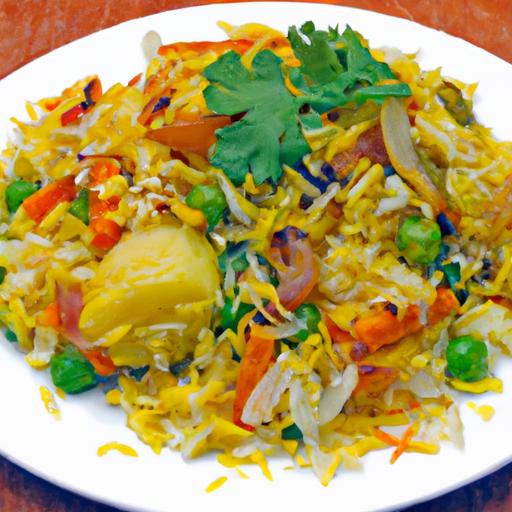


In the vibrant tapestry of global cuisine, few dishes captivate the senses quite like vegetable biryani-a harmonious blend where fragrant basmati rice meets a medley of garden-fresh vegetables, all enlivened by an orchestra of aromatic spices. This flavorful symphony transcends mere sustenance, offering a culinary experience that is as rich in history as it is in taste. From the first whiff of cardamom and cinnamon to the colorful mosaic of carrots, peas, and beans, vegetable biryani invites both novice cooks and seasoned food lovers on a journey through layers of texture, aroma, and flavor. Join us as we delve into the heart of this beloved dish, uncovering the stories behind its spices and the secrets to crafting a biryani that sings with every bite.
Vegetable Biryani: A Flavorful Symphony of Spices and Rice
Vegetable Biryani: A Flavorful Symphony of Spices and Rice is more than just a meal; itS an aromatic journey rooted in the rich culinary traditions of India where fragrant basmati rice meets a vibrant mélange of fresh vegetables and masterfully balanced spices. This dish brings a vivid palette of colors and textures to your table, evoking the warmth of home-cooked feasts and the magic of slow-cooked perfection.
Prep and Cook Time
- Readiness: 30 minutes
- Cooking: 45 minutes
- Total Time: 1 hour 15 minutes
Yield
Serves 6 generous portions
Difficulty level
Medium - ideal for adventurous home cooks who love layering flavors and textures
Ingredients
- 2 cups basmati rice, rinsed and soaked for 30 minutes
- 1 large onion, thinly sliced
- 1 cup carrots, diced
- 1 cup green beans, cut into 1-inch pieces
- 1 cup cauliflower florets
- 1/2 cup peas (fresh or frozen)
- 3 tablespoons vegetable oil or ghee
- 1/4 cup plain yogurt
- 2 teaspoons ginger-garlic paste
- 1 teaspoon cumin seeds
- 4 green cardamom pods
- 4 whole cloves
- 2 bay leaves
- 1 teaspoon cinnamon stick, broken into pieces
- 2 teaspoons garam masala powder
- 1/2 teaspoon turmeric powder
- 1 teaspoon red chili powder (adjust to taste)
- Salt to taste
- 1/4 cup fresh coriander leaves, chopped
- 1/4 cup fresh mint leaves, chopped
- 1 teaspoon saffron strands soaked in 2 tablespoons warm milk (optional)
- 2 cups water or vegetable stock
Instructions
- Prepare the basmati rice: Drain the soaked rice and boil in generously salted water until it is indeed 70% cooked-firm yet tender. Drain and set aside to prevent sticking.
- sauté the whole spices: In a heavy-bottomed pan, heat the oil or ghee over medium flame. Add cumin seeds, cardamom pods, cloves, bay leaves, and cinnamon stick. Sauté until they release their intoxicating aroma, about 1-2 minutes.
- Cook the onions: Add the sliced onions and sauté until golden brown and caramelized – approximately 8 minutes.Stir occasionally to avoid burning.
- Add ginger-garlic paste: Stir in and cook for 1 minute until the raw smell disappears.
- Toss in the vegetables: Add carrots, green beans, cauliflower, and peas. Cook for 5-7 minutes until they soften slightly but still retain some crunch.
- Spice it up: Mix in turmeric, red chili powder, garam masala, and salt. Stir until all veggies are evenly coated with the spices.
- Incorporate the yogurt: Reduce heat to low and gently fold in the plain yogurt. This adds a luscious creaminess that balances the spices.
- layer the biryani: In a deep heavy-bottomed pot or a dutch oven, lightly grease the base. Add half of the cooked vegetables as the first layer, followed by half of the rice. Sprinkle half of the chopped coriander and mint.
- create depth and fragrance: Repeat the layers with remaining vegetables and rice. Drizzle the saffron milk over the top layer for a glowing golden hue and distinctive aroma.
- Dum cook the biryani: Seal the pot with a tight-fitting lid or dough to trap steam. Cook on low heat (“dum”) for 25-30 minutes to allow the flavors to marry. Use a diffuser if possible to avoid direct heat and burning.
- Rest and fluff: Turn off the heat and let the biryani rest sealed for 10 minutes. Carefully open and fluff the rice with a fork to mix layers without breaking the grains.
Tips for Success
- choosing fresh vegetables: Select firm, luminous-colored veggies without blemishes for a pop of color and texture.Using seasonal vegetables will enhance the taste naturally.
- Spice balance: Toast whole spices lightly before use to bring out their best aroma.
- Rice perfection: Always rinse basmati rice multiple times to remove excess starch-this helps achieve the signature fluffiness.
- Layering technique: The layering is key to maintaining distinct, flavorful pockets within the biryani instead of a mushy blend.
- Make-ahead: Prepare the vegetable masala and par-cooked rice a day ahead; layering and final cooking can be done fresh for convenience.
Serving Suggestions to Complement Your Biryani Masterpiece
Serve your vegetable biryani on a large rustic platter, garnished with fresh coriander leaves, fried onions, and slivers of toasted nuts such as cashews or almonds.A cooling side of raita-yogurt mixed with cucumber and mint-provides an aromatic contrast that balances the spice. Pair with thinly sliced lemon wedges and a simple fresh salad of sliced onions and tomatoes tossed in chaat masala for a tangy kick.
For a festive touch, accompany your biryani with warm naan or crispy papadums, and a refreshing glass of chilled mango lassi. This combination elevates your meal from everyday to memorable.

| Nutrient | Amount per Serving |
|---|---|
| Calories | 320 kcal |
| Protein | 8 g |
| Carbohydrates | 55 g |
| Fat | 7 g |
For further inspiration on pairing spices, visit MasterClass’s Indian Spice Guide. Don’t forget to brighten your culinary journey with our classic raita recipe to create an authentic dining experience.
Q&A
Q&A: Vegetable biryani – A Flavorful Symphony of Spices and Rice
Q1: What makes vegetable biryani such a beloved dish across cultures?
A1: Vegetable biryani is a culinary masterpiece that marries fragrant basmati rice with a vibrant medley of vegetables and a rich tapestry of spices. Its universal appeal lies in the harmonious blend of textures and aromas-each grain of rice infused with layers of flavor, creating a sensory experience that transcends borders and invites everyone to the table.
Q2: How does vegetable biryani differ from other rice dishes?
A2: Unlike simple rice pilafs or plain steamed rice, vegetable biryani is a complex composition where rice is cooked with vegetables, saffron, and a symphony of spices like cardamom, cinnamon, cloves, and cumin. The layering technique and slow-cooking process, often using the dum method, allow flavors to meld beautifully, resulting in a dish that’s both hearty and elegant.
Q3: Can you describe the role of spices in vegetable biryani?
A3: Spices are the very soul of vegetable biryani. They don’t merely flavor the dish; they narrate its story. Each spice adds its unique note-cardamom brings warmth and sweetness, cloves offer depth and pungency, while cinnamon gives a subtle sweetness and complexity. When combined and balanced perfectly, these spices create a fragrant symphony that dances on the palate.
Q4: What vegetables are traditionally used in vegetable biryani?
A4: Traditional vegetable biryani features a colorful palette of vegetables such as carrots, peas, potatoes, beans, and cauliflower. These veggies not onyl add nutritional value but also introduce varying textures-from the tender bite of carrots to the slight crunch of beans-creating a vibrant and satisfying contrast within the dish.
Q5: How can one achieve the perfect texture for vegetable biryani rice?
A5: The secret lies in careful preparation-rice shoudl be washed thoroughly and soaked before cooking to ensure grains remain separate and fluffy. Parboiling the rice until it’s about 70% cooked, then layering it with spiced vegetables and cooking it slowly on low heat (dum cooking) allows the rice to finish cooking while absorbing the aromatic flavors without becoming mushy.
Q6: Is vegetable biryani suitable for all diets?
A6: Yes! Vegetable biryani is naturally vegetarian and can easily be made vegan by using plant-based yogurt or skipping dairy altogether. It’s gluten-free and packed with wholesome veggies, making it a nutritious and inclusive choice for many dietary preferences and restrictions.
Q7: Any tips for elevating homemade vegetable biryani to restaurant-quality?
A7: Absolutely. Using fresh, high-quality spices and toasting them before grinding can dramatically intensify flavors. Adding saffron soaked in warm milk or water infuses the biryani with a luxurious aroma and golden hue. garnishing with fried onions, fresh herbs like cilantro and mint, or roasted nuts adds texture and visual appeal, bringing your biryani from comforting home-cooked meal to gourmet delight.
Embrace the art of vegetable biryani and let this flavorful symphony transform your kitchen into a fragrant haven of spice and rice. Whether a novice or seasoned cook,every spoonful is a party of culinary tradition and vibrant tastes.
Future Outlook
In the vibrant world of cuisine, vegetable biryani stands as a fragrant celebration of spices and rice, weaving together textures and flavors that dance harmoniously on the palate. More than just a dish, it is indeed a tapestry of tradition and creativity-each grain infused with the essence of carefully chosen ingredients and cultural heritage. Whether enjoyed as a festive centerpiece or a comforting everyday meal, vegetable biryani invites us to savor the rich symphony of flavors that remind us how food can nourish both body and soul. So next time you lift a spoonful of this colorful medley, take a moment to appreciate the artistry behind every bite-a delicious testament to the enduring allure of spice-laden, aromatic rice.