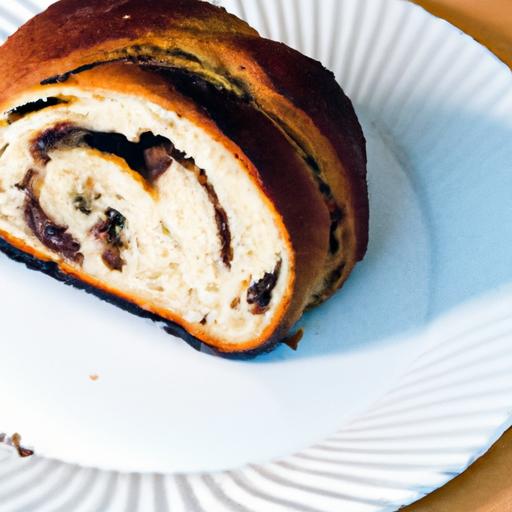

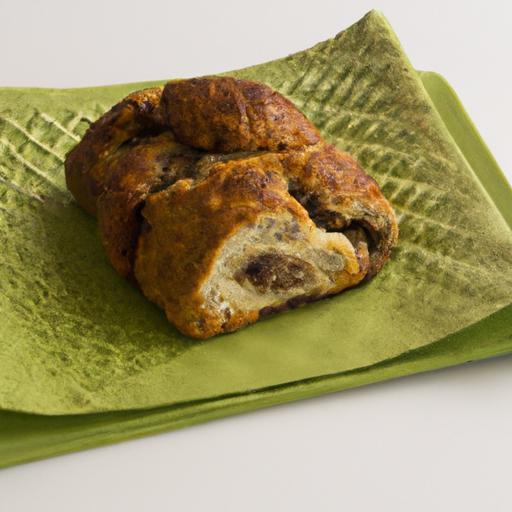
Nestled at the crossroads of tradition and indulgence, babka stands as a culinary ambassador of Jewish baking heritage-a richly braided loaf that tells a story far beyond its swirls of chocolate or cinnamon. This deceptively simple treat,with roots sinking deep into Eastern European kitchens,has evolved over centuries from humble origins into a beloved symbol of celebration and comfort. In “Babka Uncovered: The Sweet twist in Jewish Baking History,” we peel back the layers of this iconic pastry, tracing its journey through cultural shifts, migration, and innovation. Join us as we explore how babka became much more than just a dessert-emerging as a delicious testament to resilience, creativity, and the sweet tastes of memory.
Babka Uncovered: The Sweet Twist in Jewish Baking History
Babka Uncovered brings you deep into the heart of a beloved Jewish pastry that has captivated generations with its rich layers and sweet swirls. Originating as a humble Eastern European yeasted dough treat, babka combines tradition, innovation, and irresistible flavors to create a dessert that’s both nostalgic and eternally fresh. this fragrant bread, often filled with chocolate, cinnamon, or fruit, tells a story of survival, adaptation, and cultural pride-perfectly embodying the sweet twist in Jewish baking history.
Prep and Cook Time
- readiness Time: 30 minutes
- Rising Time: 1 hour 30 minutes (divided)
- Baking Time: 45 minutes
- Total Time: Approximately 2 hours 45 minutes
Yield
Makes 1 loaf (serves 8)
Difficulty Level
Medium – Requires patience for rising and precise folding, but yields spectacular results.
Ingredients
- For the Dough:
- 3 1/2 cups all-purpose flour, sifted
- 1/4 cup granulated sugar
- 2 1/4 tsp active dry yeast (1 packet)
- 1/2 tsp salt
- 3/4 cup whole milk, warmed (110°F/43°C)
- 2 large eggs, at room temperature
- 1/4 cup unsalted butter, melted and cooled
- For the Chocolate Filling:
- 6 oz bittersweet chocolate, finely chopped
- 1/3 cup unsalted butter
- 1/4 cup powdered sugar, sifted
- 2 tbsp unsweetened cocoa powder
- 1 tsp vanilla extract
- For the Syrup:
- 1/2 cup water
- 1/4 cup granulated sugar
Instructions
- Activate the yeast: In a small bowl, stir warm milk, yeast, and 1 tsp sugar. Let sit until foamy, about 5-7 minutes.
- Mix the dough: In a large bowl, combine flour, sugar, and salt. Add eggs, melted butter, and the yeast mixture. Stir until a sticky dough forms.
- Knead the dough: Transfer dough to a lightly floured surface and knead for 8-10 minutes until smooth and elastic. Alternatively, use a stand mixer with a dough hook for 6-8 minutes.
- First rise: Place dough in a greased bowl, cover with a clean towel, and let it rise in a warm spot for 1 hour or until doubled in size.
- Prepare the chocolate filling: Melt butter and chopped chocolate together over a double boiler or in a microwave in short bursts. Stir in powdered sugar, cocoa powder, and vanilla until smooth. Set aside to cool slightly.
- Roll and fill: Punch down the dough and roll it out on a floured surface into a 16×12 inch rectangle. Spread the chocolate filling evenly, leaving a small border around edges.
- Shape the babka: Roll dough tightly from the long edge into a log. Cut the roll lengthwise down the center with a sharp knife, exposing the layers.
- Twist and braid: Carefully twist the two halves together, keeping the cut sides facing upward to showcase the filling swirls. Pinch ends to seal.
- Second rise: Place the twisted dough into a greased loaf pan. Cover and let rise for 30-45 minutes until puffy.
- Bake: Preheat oven to 350°F (175°C). Bake babka for 40-45 minutes until golden brown, covering loosely with aluminum foil if top browns too quickly.
- Prepare the syrup: While baking, combine water and sugar in a small saucepan. Heat until sugar dissolves fully.
- Syrup glaze: Immediately after removing babka from oven, brush the warm syrup all over the loaf to create a glossy, moist finish.
- Cool: Let the babka cool in its pan for 15 minutes before transferring to a wire rack. Serve warm or at room temperature.
Tips for Baking the Perfect Babka at Home
- Choose quality chocolate: Using high-quality bittersweet or semi-sweet chocolate elevates flavor and richness.
- Don’t rush the rising: Proper fermentation is essential for babka’s tender crumb and subtle tang.
- Even filling distribution: Spread filling uniformly but avoid overfilling which can cause leakage during baking.
- twisting technique: Handle dough gently when braiding to keep layers intact and create beautiful swirls.
- make ahead: Babka freezes well-slice before freezing and toast gently to revive fresh-baked texture.
- Variation ideas: Swap chocolate filling for cinnamon sugar with nuts or a ricotta and citrus zest blend for a modern twist.
Serving suggestions
Present babka sliced thickly to showcase its dramatic swirls. Serve slightly warm with a dollop of crème fraîche or mascarpone to balance the sweetness. For an elegant brunch,pair with freshly brewed coffee or spiced tea. Garnish with powdered sugar dusting or a scattering of toasted chopped pistachios for added texture and color. Babka is also delightful alongside fresh fruit or a subtle vanilla ice cream for a comforting dessert.

| Nutrient | Per Serving |
|---|---|
| Calories | 350 kcal |
| Protein | 6 g |
| Carbohydrates | 45 g |
| Fat | 15 g |
discover more customary jewish pastries through our thorough guide to Jewish desserts, or explore the rich history of breads and sweets at my Jewish Learning.
Q&A
Q&A: Babka Uncovered - The Sweet Twist in jewish Baking History
Q1: What exactly is babka, and why does it hold a special place in Jewish baking?
A: Babka is a luscious, braided yeast cake typically filled with chocolate, cinnamon, or other sweet fillings. It originated in Eastern European Jewish communities, where it started as a humble way to transform leftover dough and jam into a celebratory dessert. Over time, babka evolved into a beloved symbol of joy, tradition, and the inventive spirit of Jewish bakers.
Q2: How did babka get its unique twisted shape?
A: The signature swirl and twist of babka come from rolling the dough with the filling spread inside, then slicing and braiding it before baking. This technique not only creates a stunning visual effect but also ensures every bite carries a perfect harmony of soft dough and flavorful filling-a delightful dance of texture and taste.
Q3: What’s the historical significance of babka in Jewish culture?
A: Babka embodies resourcefulness and celebration. originating in shtetls, it was a way to dress up simple ingredients to honor Shabbat and holidays. Its rise in popularity parallels waves of Jewish migration, adapting to available ingredients and cultural influences, ultimately becoming a delicious link between generations and geographies.
Q4: Has babka’s recipe changed as it travelled beyond Eastern Europe?
A: Absolutely! While the classic babka features cinnamon or chocolate, modern interpretations have embraced everything from pistachio and cream cheese to exotic spices and nuts. In places like new York City, babka gained cult status, inspiring artisanal bakeries to innovate while honoring tradition-proof that babka is as dynamic as it is delicious.Q5: Why has babka recently surged in mainstream popularity?
A: Babka’s recent renaissance can be attributed to social media’s appetite for visually striking and indulgent treats. Its beautiful braids and tempting layers make for perfect food photography, while its rich flavors satisfy cravings for comfort food with a story. This combination of aesthetics and heritage makes babka a perfect sweet ambassador of Jewish baking.
Q6: Can babka be made at home, and what tips can help novice bakers?
A: Babka is definitely within the reach of home bakers! The key is patience-allowing the dough to rise properly and handling the braiding gently. Using quality fillings and brushing the baked cake with syrup or butter adds that glossy, irresistible finish. Most importantly, embrace the imperfections; each babka tells its own story, and every twist is a delicious adventure.
Q7: What does babka teach us about cultural identity and food?
A: Babka shows how food is more than sustenance-it’s a vessel of memory, adaptation, and communal love. Through its twists and layers, babka preserves history while inviting innovation. It reminds us that even simple ingredients,when crafted with care,can become enduring cultural treasures that connect past to present,hearth to heart.
Concluding Remarks
As the final crumbs of babka settle and its sweet aroma lingers in our minds, we uncover more than just a beloved pastry-we unveil a tapestry woven with history, culture, and resilience.From humble kitchen ovens in Eastern Europe to bustling bakeries across the globe, babka carries the stories of generations, the fusion of tradition and innovation, and the enduring spirit of Jewish baking. So the next time you savor a slice, remember: you’re tasting a piece of history, a sweet twist that continues to inspire and delight across time and place.