
Beneath Australia’s shimmering waters dwells a fish both revered and mystifying-the barramundi. Celebrated not just as a culinary treasure but as a symbol of resilience and vitality, this silver-scaled marvel has inspired anglers, chefs, and nature lovers alike for generations.In “Barramundi Wonders: The Ultimate Guide to Australia’s Fish,” we dive deep into the fascinating world of barramundi-exploring its biology, habitats, cultural significance, and tips for sustainable enjoyment. whether you’re a curious newcomer or a seasoned enthusiast, prepare to embark on a captivating journey through the waterways of Down Under, where this remarkable fish rules the shimmering reefs and rivers with unparalleled grace.
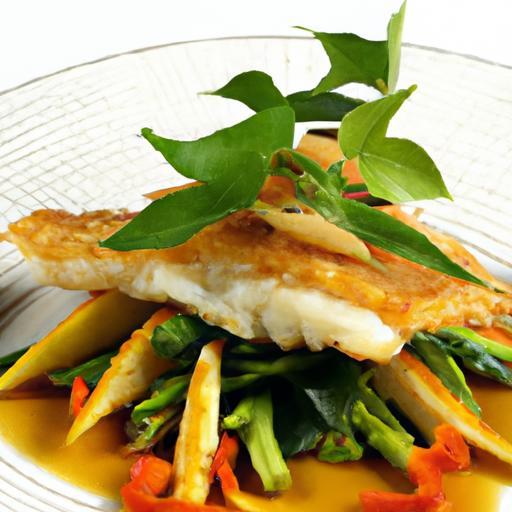
barramundi Wonders delight in the kitchen with this vibrant Grilled Barramundi with Mango Salsa recipe that perfectly captures the essence of Australia’s iconic fish. Celebrated not only for its firm, flaky flesh but also its subtle sweetness, barramundi offers a culinary canvas ripe for creative pairings.Drawing inspiration from coastal Australian flavors, this dish combines the succulent texture of grilled barramundi with a luminous, zesty mango salsa that bursts with freshness-ideal for a light, healthy meal that feels both exotic and familiar.
Prep and Cook Time
- Preparation: 15 minutes
- Cooking: 10 minutes
- Total: 25 minutes
Yield
Serves 4
Difficulty Level
Easy to Medium
Ingredients
- 4 barramundi fillets (about 180g each), skin on
- 1 ripe mango, peeled and finely diced
- 1 small red bell pepper, finely chopped
- 1 small red onion, finely diced
- 1 fresh red chili, deseeded and finely chopped
- Juice of 2 limes
- 2 tbsp fresh coriander, chopped
- 2 tbsp extra virgin olive oil, plus more for grilling
- Salt and freshly ground black pepper, to taste
- 1 tsp smoked paprika
- 1 garlic clove, minced
Instructions
- Prepare the mango salsa: In a medium bowl, combine the diced mango, red bell pepper, red onion, chili, coriander, and lime juice. Drizzle with 1 tablespoon of olive oil, then season with a pinch of salt and pepper. stir gently and set aside to allow the flavors to meld.
- Marinate the barramundi: Pat the fillets dry with paper towels. In a small mixing bowl, combine 1 tablespoon olive oil, minced garlic, smoked paprika, salt, and pepper. Brush this marinade evenly over both sides of the fish. Let rest for 5 minutes at room temperature.
- Preheat your grill or grill pan: Heat to medium-high and lightly oil the grates or pan to prevent sticking.
- Grill the barramundi: Place fillets skin-side down on the grill. Cook for 4-5 minutes without moving, allowing the skin to crisp up beautifully. Flip carefully and cook for an additional 3-4 minutes until the fish flakes easily with a fork.
- Plate and garnish: Transfer the grilled fillets to plates and generously top each with mango salsa. garnish with extra coriander leaves and a wedge of lime for an added citrus burst.
- Serve immediately: Enjoy the dish warm,paired with your choice of sides.
Tips for Success
- skin-on fillets ensure crispiness and protect the delicate flesh during grilling.
- Opt for slightly underripe mango if you prefer a firmer salsa texture.
- To add smoky depth, try sprinkling a pinch of cayenne or smoked sea salt on the fish before grilling.
- For indoor cooking, use a cast-iron skillet over medium-high heat, pressing the fillets down slightly for crisp skin.
- Make ahead: Prepare the mango salsa a few hours ahead and refrigerate; bring to room temp before serving.
Serving Suggestions
This grilled barramundi recipe shines served atop a bed of fragrant coconut rice or alongside charred seasonal greens like asparagus or broccolini. A chilled glass of Australian Sauvignon Blanc or a crisp Rosé complements the tropical brightness of the mango salsa beautifully. For an added textural contrast,sprinkle toasted macadamia nuts or crushed native wattleseed on top just before serving,enhancing the authentic regional experience.

| Nutrient | Per Serving |
|---|---|
| Calories | 320 kcal |
| Protein | 34 g |
| Carbohydrates | 12 g |
| Fat | 14 g |
Elevate your barramundi experience further by exploring our related guide on Australian Seafood Pairings. To deepen your understanding of sustainable fishing ensuring future generations enjoy barramundi’s wonders,visit the Australian fisheries Management Authority (AFMA).
Q&A
Q&A: Barramundi Wonders – The Ultimate Guide to Australia’s Fish
Q1: What makes the barramundi such a remarkable fish in australia?
A1: The barramundi, often called the “silver dragon” of Australia’s waterways, is a true marvel of nature.With its shimmering scales that reflect the sunlight like liquid silver and its agile, powerful leaps, this fish captures the imagination of anglers and nature lovers alike. its adaptability across freshwater and saltwater environments marks it as a versatile champion of Aussie waters.
Q2: Where can you find barramundi in Australia?
A2: Barramundi are the nomads of the northern Australian coasts, thriving from the tropical estuaries of Queensland and the Northern Territory to the warm, tidal river systems of Western Australia. Their preferred hangouts are murky, slow-moving waters where they can camouflage, wait, and strike with lightning speed.
Q3: What biological features set barramundi apart?
A3: Barramundi are protandrous hermaphrodites, meaning they start life as males and most later transform into females. This fascinating gender fluidity ensures a dynamic population balance. Their large, powerful tail helps them burst through water with astounding force, a trait prized by sport fishers seeking thrilling catches.
Q4: Why is barramundi significant to Aboriginal culture?
A4: For many Aboriginal communities, the barramundi is not just a source of food but a symbol woven into mythologies and traditions. It represents strength, endurance, and respect for the natural world. Storytelling around barramundi fishing passes ancestral wisdom and sustainable practices from generation to generation.
Q5: How does barramundi contribute economically and environmentally in Australia?
A5: Economically, barramundi supports both commercial fisheries and a booming recreational fishing industry, fueling local tourism and livelihoods across northern Australia.Environmentally, its role as a top predator helps maintain balanced aquatic ecosystems, controlling prey populations and keeping the waterways healthy.
Q6: What should anglers know before fishing for barramundi?
A6: Patience and timing are key. Barramundi are most active during dawn,dusk,and following rainfall when waters are flushed with nutrients. Ethical fishing practices are encouraged-catch and release policies help protect this iconic fish for future generations, ensuring you’re part of the barramundi’s ongoing story rather than an end.Q7: How can the barramundi be enjoyed beyond the water?
A7: Aside from being a prized catch, barramundi is a culinary star. Its firm, white flesh is mild and buttery, perfect for grilling, baking, or pan-searing. Indigenous recipes frequently enough incorporate native herbs and spices, turning a simple meal into a flavorful celebration of Australia’s natural heritage.
Q8: what does the future hold for barramundi in Australia?
A8: With climate change and habitat pressures looming, barramundi face new challenges. However, ongoing conservation efforts, sustainable farming, and community engagement offer hope. The barramundi’s resilience is legendary, and with collective care, this silver wonder will continue to sparkle in Australia’s waters for generations to come.
Wrapping Up
As the sun dips below the sparkling Australian horizon, the barramundi remains a shimmering emblem of the continent’s rich aquatic heritage. From its ancient river haunts to the plates of fine dining, this remarkable fish weaves a story of resilience, flavor, and cultural significance. Whether you’re an angler chasing the thrill of the catch or a food lover eager to savor its buttery flesh, the barramundi invites you to dive deeper into Australia’s watery wonders. So next time you glimpse that silvery flash beneath the surface, remember-it’s not just a fish, but a vibrant thread in the tapestry of Australia’s natural and culinary legacy.