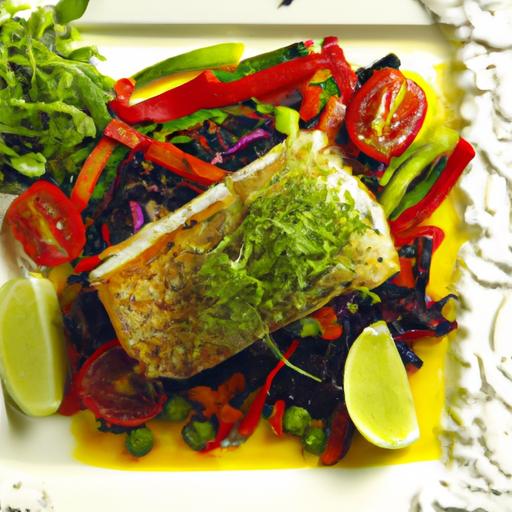

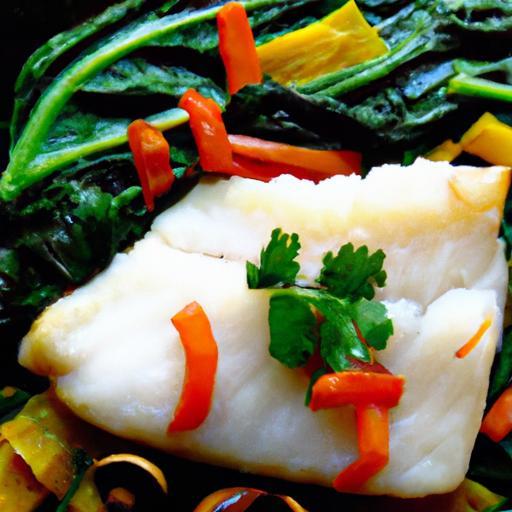
Beneath the shimmering surface of Australia’s rivers and coastal waters lurks a true titan of the aquatic world-the barramundi. Known for its impressive size and elusive nature, this giant fish has captured the creativity of anglers, chefs, and nature enthusiasts alike. But the barramundi is more than just a trophy catch; it’s a symbol of Australia’s unique biodiversity and a cornerstone of local ecosystems and cultures. Join us as we dive into the engaging world of the barramundi-the Australian giant fish you should definitely no about.
Barramundi, the Australian giant fish revered for its delicate flavor and buttery texture, is a culinary treasure worth exploring. Originating from the tropical waters stretching from northern Australia to Southeast Asia, this fish embodies not just a rich heritage but also exceptional versatility in the kitchen. My first encounter with barramundi was during a visit to a family-run fishing village where the locals grilled it over open flames, infusing it with subtle smokiness and freshness that has since inspired countless home kitchen experiments.
prep and Cook Time
Planning: 15 minutes | Cooking: 20 minutes | Total: 35 minutes
Yield
Serves 4
Difficulty Level
Medium – ideal for home cooks eager to master fish fillet techniques and flavor balancing
The Majesty of Barramundi: Classic Pan-Seared Barramundi with lemon Herb Butter
Ingredients
- 4 barramundi fillets (about 6 oz each), skin on, scaled and patted dry
- 2 tablespoons olive oil
- 4 tablespoons unsalted butter, divided
- 3 cloves garlic, minced
- 1 tablespoon fresh lemon juice
- 1 teaspoon lemon zest
- 2 tablespoons fresh parsley, finely chopped
- Salt and freshly ground black pepper, to taste
- Optional garnish: lemon wedges and microgreens
Instructions
- Prepare the fish: Ensure your barramundi fillets are completely dry by patting with paper towels. This step is crucial for achieving the perfect crisp skin.
- Season: Lightly season both sides with salt and freshly ground black pepper to enhance the natural flavors without overpowering them.
- Heat the pan: Over medium-high heat, warm olive oil in a large non-stick skillet until shimmering but not smoking.
- Sear skin-side down: Place the fillets skin-side down into the pan. Gently press them with a spatula for 10 seconds to prevent curling. Cook undisturbed for 5-6 minutes until the edges look opaque and skin is crispy.
- Flip the fillets: Carefully turn the fish and add 2 tablespoons of butter and minced garlic to the pan. Sauté for another 3-4 minutes, spooning the melted butter and garlic over the fillets to baste and infuse them with flavor.
- Finish with lemon herb butter: Remove fillets to a warm plate. In the same pan, add remaining butter, lemon juice, lemon zest, and parsley, stirring to create a silky sauce. Drizzle over the fish before serving.
Tips for success
- Skin crispiness: Use a heavy-bottomed skillet and avoid moving the fish too early.Dry skin and proper heat control make all the difference.
- Flavor variations: Swap parsley with fresh dill or cilantro for a different herbal profile. Add a pinch of chili flakes to the butter for a subtle heat.
- Make-ahead: You can prepare the lemon herb butter in advance and gently reheat it when ready to serve.
- Check doneness: Barramundi is best served medium to medium-well. The flesh flakes easily with a fork but remains moist and tender.
Serving Suggestions
Serve your pan-seared barramundi atop a bed of jasmine rice or quinoa mixed with toasted nuts. Complement with roasted seasonal vegetables like asparagus or heirloom carrots. Garnish with extra lemon wedges and a small handful of vibrant microgreens for a pop of freshness and color. A crisp, chilled Sauvignon Blanc pairs beautifully with the dish’s light citrus notes and buttery finish.
| Nutrient | Per Serving |
|---|---|
| Calories | 280 kcal |
| Protein | 34g |
| Carbohydrates | 1g |
| Fat | 14g |

For more inspiring seafood recipes, check our Australian Seafood Delights collection. To deepen your knowledge about sustainable fishing and preserving marine life, visit the NOAA Fisheries official site.
Q&A
Q&A: Barramundi – The Australian Giant Fish You Should Know About
Q1: what exactly is a barramundi?
A1: The barramundi,often dubbed the “Giant Perch of the north,” is a strikingly powerful fish native to the tropical waters of Australia and Southeast Asia. Known scientifically as Lates calcarifer, it can grow up to nearly 2 meters long and weigh over 60 kilograms, making it a true leviathan of freshwater and coastal habitats alike.
Q2: Why is the barramundi so iconic in Australia?
A2: Barramundi isn’t just a fish-it’s a cultural icon. Indigenous Australian communities have revered barramundi for thousands of years, weaving its image into thier stories and traditions. Today, it’s beloved by anglers and chefs alike, symbolizing the wild, untamed beauty and rich biodiversity of northern Australia.
Q3: Where can you find barramundi in Australia?
A3: Barramundi thrive in the warm, brackish waters of northern Australia, from the estuaries and rivers of Queensland and the Northern Territory to parts of western Australia. They’re at home in both salty coastal zones and freshwater rivers, showcasing remarkable adaptability.
Q4: What makes barramundi unique among fish?
A4: One of barramundi’s most fascinating traits is its ability to change sex. It’s born male, but as it matures, it often transforms into a female-an evolutionary strategy that helps balance population dynamics. Plus, its silver scales shimmer with a metallic glow, captivating anglers and wildlife watchers alike.
Q5: How do barramundi behave in the wild?
A5: These fish are aggressive predators, hunting smaller fish and crustaceans with lightning speed. Barramundi are also renowned jumpers-frequently enough launching spectacular leaps from the water when hooked, delighting sport fishers with their acrobatic fights.
Q6: Why should you consider trying barramundi on your plate?
A6: Beyond their impressive size and spirit, barramundi are prized for their mild, buttery flavor and firm texture. They’re a sustainable seafood choice,frequently enough farmed responsibly,making them a perfect catch for eco-conscious food lovers eager to taste the essence of Australian waters.
Q7: How can beginners spot a barramundi in the wild?
A7: Look for a large fish with a pronounced, slightly upturned mouth and shimmering silver body. Barramundi frequently enough linger near river mouths or mangrove roots, waiting patiently to ambush prey. Early mornings or late afternoons during the warmer months are prime times for spotting these giants.
Q8: What’s the best way to experience barramundi culture?
A8: Dive into local fishing tours along australia’s northern coast, taste freshly prepared barramundi at seaside eateries, or explore Indigenous art and storytelling that celebrate this remarkable fish. Each experience offers a unique window into the world of the Australian barramundi-a true giant with a story as deep as the waters it inhabits.
Key Takeaways
From the shimmering rivers of northern Australia to the bustling seafood markets and gourmet plates worldwide, the barramundi stands as a true aquatic icon. This giant not only commands respect with its impressive size and striking appearance but also embodies the rich cultural heritage and sustainable promise of Australia’s waters. Whether you’re a seasoned angler, a curious foodie, or simply someone fascinated by the natural world, getting to know the barramundi is diving into a story of resilience, flavor, and timeless connection to the land and sea. So next time you hear the name, remember: the barramundi is more than just a fish-it’s a giant of the Australian ecosystem and an enduring symbol worth celebrating.