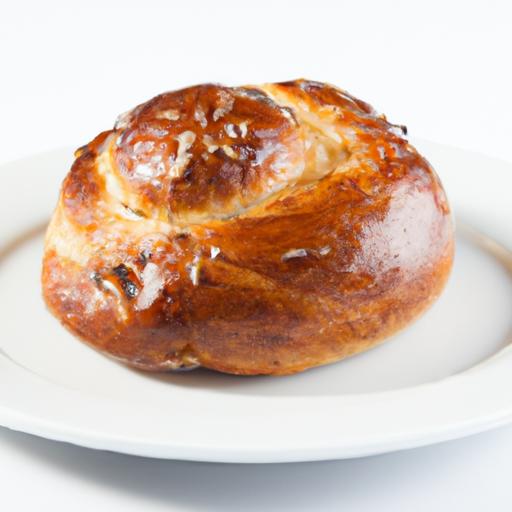

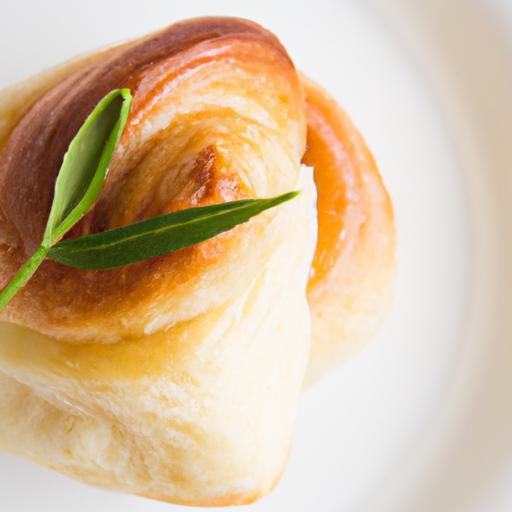
Soft, pillowy, and endlessly versatile-the humble bun has journeyed far beyond its simple origins to become a culinary canvas rich with history and innovation. From the comforting embrace of classic fluffy buns that have graced breakfast tables for generations to the bold, trendsetting twists that captivate modern palates, buns embody both tradition and creativity. In this exploration of “The Art of Buns: From Fluffy Classics to Trendy Twists,” we’ll unravel the secrets behind their irresistible texture, celebrate the diversity of styles around the world, and savor the inventive spirit that keeps this beloved treat fresh and exciting.Weather you’re a seasoned baker or a curious food lover, join us as we dive into the delicious world where softness meets sophistication.
Mastering the Fluffy Classic Bun Techniques for Perfect Texture
The art of buns truly shines when you learn how to achieve that irresistibly fluffy texture classic buns are known for. This recipe celebrates the soft,cloud-like crumb that results from mastering customary dough fermentation and kneading techniques. Inspired by the delicate Asian milk buns and Western brioche, these buns form a perfect base, ready to be transformed by global flavors or trendy twists. I remember the first time I pulled a batch of golden, pillowy buns from the oven-there was an instant joy in that tender crumb and shiny crust that words can barely capture.
Prep and Cook Time
- Prep Time: 25 minutes (plus 1.5 – 2 hours rise time)
- Cook Time: 15 minutes
- Total Time: Approximately 2 hours
Yield
- 8 medium-sized buns (about 80g each)
Difficulty Level
- Medium – perfect for bakers ready to elevate their bread skills
Ingredients
- 2 ½ cups (310g) all-purpose flour, sifted
- 3 tbsp granulated sugar
- 1 tsp instant yeast
- ½ tsp fine sea salt
- ½ cup (120ml) whole milk, warmed (about 105°F/40°C)
- 3 tbsp unsalted butter, softened
- 1 large egg, at room temperature
- 1 tbsp milk (for egg wash)
Instructions
- Prepare the dough: In a large mixing bowl, combine the sifted flour, sugar, instant yeast, and salt. Make sure the salt and yeast are on opposite sides of the bowl to avoid killing the yeast prematurely.
- Add wet ingredients: Pour in the warm milk and crack in the egg. Stir with a wooden spoon until a shaggy dough forms.
- Knead the dough: Transfer the dough to a lightly floured surface. Knead vigorously for 8-10 minutes until smooth, elastic, and slightly tacky, adding flour only if the dough sticks excessively.
- Incorporate the butter: Gradually knead in the softened butter in small pieces. This will take another 5 minutes.The dough will become shiny and more supple as the butter fully incorporates.
- First proof: Place the dough in a lightly greased bowl and cover with a damp towel or plastic wrap. Let it rise in a warm place for 1 to 1.5 hours,or until it doubles in size.
- shape the buns: Gently deflate the dough and divide it into 8 equal portions. Shape each piece into a smooth round ball by folding edges underneath with your hands, creating surface tension.
- Second proof: Place the buns spaced evenly on a parchment-lined baking tray. Cover loosely with plastic wrap and allow them to rise again for 45 minutes until puffy.
- Preheat and egg wash: Preheat the oven to 350°F (175°C). Lightly brush the tops of each bun with a milk wash for that enticing golden glow.
- Bake: Bake the buns for 12-15 minutes until golden brown and hollow-sounding when tapped at the bottom.
- Cool fully: Transfer them to a wire rack and let cool fully to appreciate the soft crumb.
Chef’s notes
- For maximum fluffiness, avoid over-flouring the dough-the hydration level is key to softness.
- Use whole milk and room temperature eggs to enrich the dough and enhance texture.
- Experiment with proofing time depending on your kitchen environment; slower, longer rises develop extra flavor.
- Try substituting butter with coconut oil or adding a teaspoon of vanilla extract or citrus zest for an aromatic twist.
- For make-ahead convenience, freeze shaped buns after the second proof. Bake directly from frozen, adding a few extra minutes to bake time.
Serving Suggestions
These buns are incredibly versatile. Serve warm for breakfast with butter and jam, or slice and fill with grilled meats, fresh vegetables, and herb aioli for a modern take on a classic sandwich. A sprinkle of toasted sesame seeds or a glossy egg wash finish can elevate presentation.For a sweet version, fill with red bean paste or chocolate before the second rise to delight your guests with hidden treasures inside.
Nutritional Information
| Nutrient | Per Bun (80g) |
|---|---|
| Calories | 180 kcal |
| Protein | 5 g |
| Carbohydrates | 28 g |
| Fat | 4 g |

Exploring Global Inspirations Behind Iconic Bun Variations
With the foundational knowledge of classic fluffy buns, you can dive into global inspirations-from the Philippines’ Pan de Sal to Chinese baozi and French brioche. Incorporating these global touches not only opens the door to savor diverse textures and fillings but also inspires creativity in your kitchen. Gaming your starters-like adding a hint of pandan for a Southeast Asian flair or swapping milk for coconut cream in tropical versions-will elevate your bun repertoire.
Innovative Flavor Infusions to Elevate Your Bun Creations
Elevate your buns with unexpected flavor infusions-think matcha powder scattered in dough, swirls of cinnamon sugar, or savory elements like caramelized onion and smoked gouda. The gentle crumb of these buns acts as the perfect canvas for spices, herbs, and even flavored butter. Infusing your dough with herbs like rosemary or toasted sesame seeds can subtly enhance taste and texture, taking even the simplest bun to a new level.
Step by Step Guide to Crafting Trendy Twists with Unique Shapes and Fillings
- Create shapes: Experiment with braids, knots, or the adorable “monkey bread” cluster by cutting classic dough into cubes and tossing with butter and cinnamon sugar before baking.
- Classic filled buns: Try folding in savory ingredients like minced pork, shiitake mushrooms, or sweet custard. Place filling in the center of each dough portion, pinch the edges tightly to seal, and proof as usual.
- Layered buns: Roll dough thinly, spread butter and cinnamon sugar or chili-garlic oil, then roll up like a cinnamon roll before slicing and proofing.
- Finishing touches: Egg wash for shine, toppings like sesame seeds, or contrasting glazes (honey or soy reduction).
- Baking & cooling: Maintain even oven temperature and allow buns to cool fully on wire racks to keep contrast between crisp exterior and soft interior.
For a deeper dive into bread artistry, feel free to explore our Artisan Breakfast Breads collection for more inspiring recipes and techniques.
Q&A
Q&A: The Art of Buns – From Fluffy Classics to Trendy Twists
Q1: What makes a bun truly great?
A1: At the heart of every great bun is its texture-a perfect balance of fluffiness and structure. It should feel pillowy soft yet sturdy enough to hold fillings or toppings. The secret lies in the dough’s hydration,kneading technique,and a patient rise that lets the yeast work its magic. Flavor plays a key role too,whether it’s the subtle sweetness of a classic milk bun or the aromatic hints of spices in fusion recipes.
Q2: How do classic buns like the milk bun achieve their signature fluffiness?
A2: Milk buns owe their legendary fluff to enriched doughs-think milk, butter, and sometimes eggs-which add tenderness and a golden crust. Gentle kneading combined with warm proofing creates an airy crumb that melts in your mouth. The careful balance of ingredients means the bun is soft without being gummy, making each bite a comforting hug.
Q3: What are some trendy twists on traditional buns popping up today?
A3: Chefs and home bakers alike are getting creative: from matcha-infused green tea buns and black sesame-studded wonders to savory bao filled with kimchi or spicy pulled pork. Swirl buns with cinnamon and brown sugar are being revamped with unexpected spices like cardamom or star anise. Even plant-based and gluten-free options are proving that buns can adapt without losing their charm.
Q4: Can buns be both a breakfast staple and a gourmet experiance?
A4: Absolutely! Buns have a wonderful versatility. A simple buttered milk bun pairs beautifully with morning coffee, while an artfully crafted bao with rich fillings can star in a chic dinner spread. The art of buns lies in their ability to transform from humble comfort food to elegant culinary canvas.
Q5: Any tips for home bakers aiming to master the art of buns?
A5: patience is your best friend.Allow your dough to ferment fully to develop flavor and softness. Don’t rush the proofing stages; warm, draft-free environments nurture perfect rises. Experiment with enriching ingredients like dairy and fats for tender crumb, and don’t be afraid to add creative flavors or fillings. Lastly, practice the shaping technique-twists, knots, or twists not only create eye-catching buns but also influence texture.
Q6: How do shaping techniques impact the final bun?
A6: Shaping is more than an aesthetic step-it manipulates texture and crumb distribution. Twisted buns can create layers that are delightfully chewy, while rolled or knotted styles may yield pockets perfect for oozing fillings. Mastering shapes lets bakers control not just how buns look, but how they bite and enjoy.Q7: Why do buns hold such a universal appeal across cultures?
A7: Buns are a humble staple with infinite variations, adaptable to sweet, savory, or spicy preferences. Their portability and comforting texture make them ideal for a snack, meal, or sharing ritual. Whether it’s a soft Japanese melon pan, a classic French brioche bun, or a spicy Mexican pambazo, buns tell stories of culture, innovation, and togetherness bite by bite.
Exploring the art of buns invites us to appreciate heritage and creativity kneaded into every loaf-soft, fragrant, and endlessly inviting. Whether sticking to the classics or experimenting with trendy twists, buns remain a delicious canvas for culinary expression.
Insights and Conclusions
Whether you’re savoring the timeless comfort of a perfectly baked classic bun or experimenting with vibrant, trendy twists, the art of buns offers a delicious journey through culture, creativity, and craft. From the gentle rise of dough to the final golden crust, each bun tells a story-one of tradition embraced and innovation celebrated. So next time you bite into that soft, pillowy delight, remember: you’re not just enjoying a treat, you’re partaking in a rich, ever-evolving culinary masterpiece.Keep exploring, keep baking, and most of all, keep savoring every fluffy, flavorful moment.