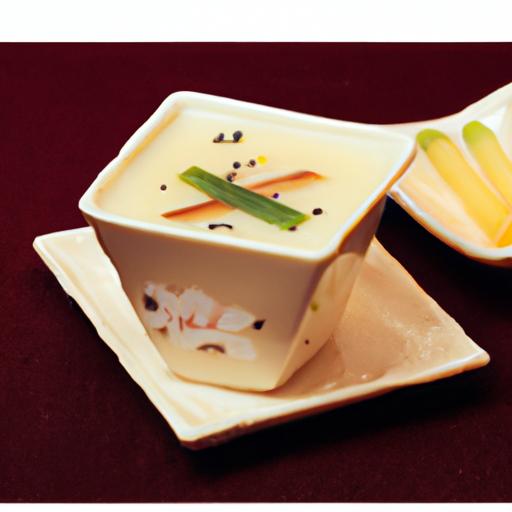

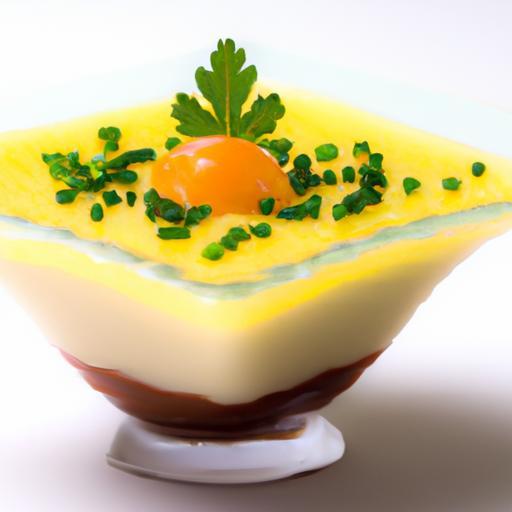
In the heart of Japanese cuisine lies a culinary gem that whispers quiet elegance with every delicate spoonful-Chawanmushi. This savory steamed egg custard, often overlooked amidst sushi and ramen’s global fame, offers an intimate glimpse into Japan’s artistry of flavor and texture. Silky smooth yet richly layered,Chawanmushi unfolds like a sensory poem,blending subtle dashi broth with ingredients ranging from mushrooms to shrimp. Join us as we peel back the lid on this enchanting dish, unveiling the history, planning, and cultural significance that make Chawanmushi a beloved comfort and a masterpiece of subtle sophistication.
Chawanmushi captivates with its irresistibly silky texture and delicate umami aroma, making it a celebrated gem in Japanese cuisine.This steamed egg custard melds simplicity with sophistication,offering a harmonious canvas for both traditional ingredients and modern creative twists. Whether enjoyed as a refined appetizer or a comforting solo dish, mastering the perfect chawanmushi is a culinary journey that rewards with every spoonful.
Prep and Cook Time
Preparation: 15 minutes
Cooking: 20 minutes
Total Time: 35 minutes
Yield
4 servings
Difficulty Level
Medium – requires attentive mixing and steaming for optimal texture
Ingredients
- 4 large eggs, gently beaten
- 2 ½ cups dashi stock (preferably homemade or high-quality instant dashi)
- 1 tsp soy sauce
- 1 tsp mirin
- ¼ tsp salt
- 4 shiitake mushrooms, sliced thinly
- 8 small cooked shrimp, peeled and deveined
- 4 kamaboko fish cake slices (optional)
- Fresh mitsuba leaves or cilantro, for garnish
- Yuzu zest or lemon zest, for subtle citrus aroma (optional)
Instructions
- Prepare the egg mixture: In a large mixing bowl, gently beat the eggs with a fork or chopsticks until just combined-avoid whipping too vigorously to prevent unwanted bubbles.
- Season the dashi: Warm the dashi stock slightly. Stir in soy sauce, mirin, and salt until fully dissolved and combined.
- Strain and combine: Pour the seasoned dashi slowly into the beaten eggs, stirring gently to blend. Strain the mixture through a fine sieve into a clean bowl to ensure a smooth custard texture, free of lumps.
- Arrange fillings: Divide the mushrooms, shrimp, and kamaboko slices evenly among four heatproof custard cups or ramekins.
- Pour egg custard: Carefully ladle the egg mixture over the fillings, filling each cup about ¾ full.
- Steam softly: Cover each cup with foil or a lid to prevent condensation drops. Place cups in a steaming basket over gently simmering water. Steam for 15-20 minutes on low heat-avoid boiling water to ensure a tender,silky custard.
- Check doneness: The custard should be just set but still jiggle slightly when shaken. Insert a toothpick in the center; it should come out clean.
- Garnish and serve: Remove carefully from the steamer. Garnish each with mitsuba leaves and a small pinch of yuzu zest to brighten the profile. Serve warm.
tips for Success
- Straining: This crucial step removes chalaza and uneven egg clumps, resulting in the signature silky smoothness of chawanmushi.
- Water ratio: Use dashi to egg in a ratio close to 2:1 for the ideal custard consistency.
- Steaming temperature: Keep the steam gentle-vigorous boiling introduces bubbles and cracks into the custard.
- Flavor variations: Experiment by adding grated ginger, chopped scallions, or substituting dashi with shiitake mushroom broth for an earthy twist.
- Make-ahead: Prepare and steam chawanmushi in advance, then gently reheat in a covered steamer before serving.
Serving Suggestions and Pairings
Present chawanmushi nestled in elegant lacquered cups for a refined touch. complement it with a side of salted edamame or a crisp cucumber sunomono salad to balance the custard’s richness. For beverages, a chilled glass of dry sake or light green tea enhances the umami flavors perfectly. Garnish with a delicate sprig of mitsuba or a thin strip of yuzu peel to elevate both visual appeal and aroma.

| Nutrient | Per serving |
|---|---|
| Calories | 120 kcal |
| Protein | 10 g |
| carbohydrates | 3 g |
| Fat | 7 g |
For deeper insight into dashi preparation, visit Just One Cookbook’s Dashi Guide, a trusted resource for authentic Japanese cooking fundamentals.
Q&A
Q&A: Chawanmushi Unveiled: Japan’s Savory Steamed Egg custard Delight
Q1: What exactly is Chawanmushi?
A1: Chawanmushi (茶碗蒸し) is a delicate Japanese dish that translates to ”steamed in a teacup.” It’s a silky, savory egg custard that’s lightly seasoned and steamed until smooth like velvet. Unlike Western custards that are sweet, chawanmushi is subtly umami-rich and often contains hidden treasures like shrimp, mushrooms, and ginkgo nuts nestled beneath its glossy surface.
Q2: How is Chawanmushi traditionally made?
A2: The magic begins by whisking eggs with a dashi broth-a fragrant stock made from kombu seaweed and bonito flakes-creating a savory egg mixture. This blend is poured into small cups, often porcelain, along with flavorful fillers such as shrimp, chicken, shiitake mushrooms, kamaboko (fish cake), or seasonal vegetables. The cups are then gently steamed at low heat, allowing the custard to set slowly and keep its velvety texture intact.
Q3: What makes Chawanmushi different from other egg dishes?
A3: Unlike omelets or scrambled eggs, chawanmushi’s steamed preparation creates an ethereal softness that melts on the tongue. Its flavor profile balances the gentle sweetness of eggs with the umami depth of dashi and the nuanced textures of its varied ingredients.It’s both comforting and refined-a quiet culinary symphony of flavor and texture.
Q4: When and how is Chawanmushi typically served?
A4: Chawanmushi is versatile-served as an appetizer, a side, or even a course within a traditional kaiseki meal. It’s usually presented in elegant lidded cups, keeping the custard warm and fragrant until the moment it’s uncovered. Spoons glide effortlessly through to reveal a hidden medley of ingredients, surprising diners with each delightful bite.
Q5: Are ther regional variations of Chawanmushi in Japan?
A5: Yes! While the core concept remains the same, regional twists infuse local flavors.In Osaka,for example,chunks of octopus might join the custard,while coastal areas might add fresh seafood like crab or scallops. Some versions include spicy elements or seasonal mushrooms, making chawanmushi a canvas for local tastes and ingredients.
Q6: Can Chawanmushi be made at home, and is it challenging?
A6: Absolutely, with a bit of patience and attention to detail. Achieving the perfect silky texture requires careful whisking of eggs and broth, straining to remove bubbles, and steaming at a gentle temperature to avoid curdling. While it may seem delicate,home cooks can master chawanmushi with practice-and the reward is a comforting,elegant dish that’s worth the effort.
Q7: What makes Chawanmushi a beloved dish in Japanese cuisine?
A7: Chawanmushi encapsulates Japan’s culinary philosophy-harmonizing simplicity, seasonality, and subtlety.It’s a humble dish elevated through meticulous technique and thoughtful ingredients, offering warmth and depth in a single cup. Whether enjoyed in a modest home setting or a high-end restaurant, chawanmushi invites diners to savor the art of understated flavor and texture.
Future Outlook
As the delicate steam rises from a warm bowl of chawanmushi, it carries with it centuries of Japanese tradition, subtle flavors, and a culinary artistry that transcends the ordinary. This savory steamed egg custard is more than just a dish-it’s a gentle invitation to savor simplicity, to appreciate the harmony of textures and tastes, and to explore a lesser-known facet of Japan’s rich food heritage. Whether enjoyed in a bustling Tokyo eatery or crafted lovingly at home, chawanmushi remains a timeless testament to the elegance found in humble ingredients, patiently transformed by skill and care. So next time you encounter this silky custard, take a moment to savor not only its flavor but the story it tells-a quiet celebration of Japan’s culinary soul.