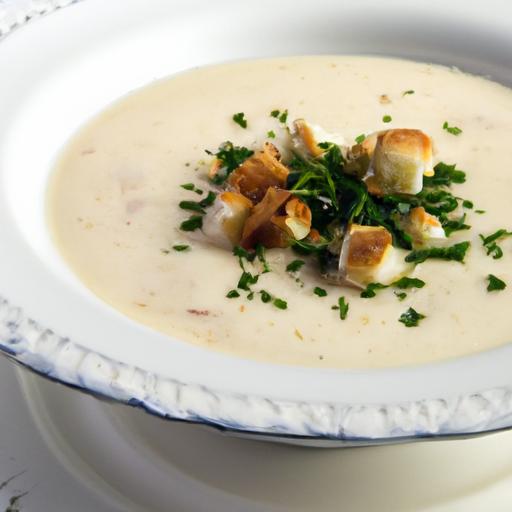

Nestled deep within the heart of New England’s rugged coastline lies a culinary treasure that has warmed countless souls through chilly autumns and blustery winter days-New England clam chowder. this creamy, hearty soup is much more than just a dish; it’s a comforting ritual, a taste of maritime heritage, and a celebration of simple ingredients transformed by tradition and care. In this article, we embark on a flavorful journey too uncover the secrets behind the rich, velvety texture and briny depth that make New England clam chowder an enduring icon of regional cuisine. From the humble clam beds to the bubbling pots in cozy seaside kitchens, join us as we explore how this classic chowder became a symbol of comfort and community along America’s northeastern shores.
Creamy Comfort begins with a deep thankfulness of flavors born from New England’s rich maritime heritage. This iconic chowder,steeped in history,was crafted by early settlers who combined the bounty of the sea with simple,nourishing ingredients. Over centuries, it evolved from a humble fisherman’s stew into a beloved, velvety classic celebrated across the United States. Every bowl tells a story: tender clams harvested from cold Atlantic waters, the earthy sweetness of potatoes, and the luscious cream that wraps each spoonful in a warm embrace.
Prep and Cook Time
- Preparation: 15 minutes
- Cooking: 40 minutes
- Total Time: 55 minutes
Yield
Serves 6 hearty bowls of creamy comfort
Difficulty Level
Medium – ideal for home cooks eager to master classic flavor layering
Ingredients
- 4 cups fresh clams (steamed and chopped, reserve clam juice)
- 6 strips thick-cut bacon, diced
- 1 large yellow onion, finely chopped
- 2 celery stalks, diced
- 2 medium Yukon Gold potatoes, peeled and diced into ½-inch cubes
- 3 cups whole milk
- 1 cup heavy cream
- 3 tablespoons unsalted butter
- 1/4 cup all-purpose flour
- 1 teaspoon fresh thyme leaves
- 1 bay leaf
- Salt and freshly cracked black pepper, to taste
- 1 tablespoon fresh parsley, finely chopped (for garnish)
Instructions
- Prepare the clams: Steam fresh clams in a covered pot with 1 cup water until shells open, about 5-7 minutes. Remove clams, reserving the clam juice by straining to eliminate grit.Chop clam meat finely and set aside.
- Cook the bacon: In a large heavy-bottomed pot, cook diced bacon over medium heat until crisp and browned. Use a slotted spoon to remove bacon to a paper towel-lined plate, leaving rendered fat in the pot.
- Sauté aromatics: Add butter to the bacon fat. Once melted, add chopped onions and celery. Sauté until softened and translucent, about 5 minutes, stirring occasionally to avoid browning.
- Create the roux: Sprinkle flour evenly over the softened vegetables and stir constantly for 3 minutes. This step is essential for achieving the creamy, thick texture without lumps.
- Develop the broth: Gradually pour in the reserved clam juice and whole milk, whisking continuously to incorporate the roux and prevent lumps. Add potatoes, thyme, and bay leaf. bring to a gentle simmer and cook until potatoes soften, around 20 minutes.
- Finish with cream and clams: Stir in heavy cream and chopped clams. Warm gently for 5 minutes, ensuring the chowder does not boil, to keep the clams tender and prevent curdling.
- Season and serve: Remove bay leaf.Season with salt and pepper to taste. Ladle chowder into bowls and garnish with reserved bacon and fresh parsley for added texture and flavor contrast.
Tips for Success
- Flavor foundation: Crisp bacon renders both fat and smoky notes that enrich the chowder’s character-don’t skip this step!
- Balance your liquids: Using both clam juice and milk layers natural ocean brininess with creamy richness, a hallmark of authentic New England clam chowder.
- Roux mastery: Take your time cooking the flour with fats and aromatics to avoid a raw flour taste and ensure smooth texture.
- Make ahead: The chowder reheats beautifully; though, add cream and clams just before serving to maintain freshness and creaminess.
- Substitutions: If clams are unavailable, preserved clams in clam juice can substitute, but fresh clams yield superior texture and flavor.
serving Suggestions
Serve your creamy comfort in warm bowls topped with crisp bacon and a sprinkle of fresh parsley for brightness. A side of classic oyster crackers,crusty New England sourdough,or a toasted buttered baguette perfectly complements the chowder’s velvety consistency. For an elevated touch, drizzle a little smoked paprika oil on top or add a dash of freshly grated nutmeg to awaken the hearty flavors.
| Nutritional Info (per serving) |
Calories | Protein | Carbs | Fat |
|---|---|---|---|---|
| new England clam chowder | 310 | 18g | 22g | 16g |
Discover more seafood recipes in our Seafood Classics collection to pair perfectly with your chowder adventure. For historical background on New England cuisine, visit the Colonial Williamsburg Culinary History page for expert insight into early American cooking traditions.

Q&A
Q&A: Creamy Comfort – Exploring the Secrets of New England Clam Chowder
Q: What makes New England clam chowder stand out from other chowders?
A: At it’s heart, New England clam chowder is a celebration of creamy simplicity. Unlike its tomato-based cousin, Manhattan clam chowder, New England’s version relies on a rich, velvety base of milk or cream that envelops tender clams and hearty potatoes. This luxurious, snowy white broth is what gives it that unmistakable “comfort in a bowl” vibe.
Q: Where did New England clam chowder originate?
A: The roots of New England clam chowder stretch back to the 18th century,evolving from the fishermen’s stews of the Northeastern United States. Early settlers combined local clams, salt pork, and root vegetables, gradually refining the recipe into the creamy chowder we prize today. It’s a dish deeply intertwined with coastal history and maritime tradition.
Q: What are the key ingredients that define authentic New England clam chowder?
A: Clams, of course, are the star of the show – preferably fresh, hard-shell varieties. Then, tender potatoes add substance, while a mix of onions and celery provide aromatic depth. The creamy base, made from milk or heavy cream, makes it luscious and rich. salt pork or bacon lends a subtle smoky undertone. Together, these ingredients craft the chowder’s iconic flavor and texture.Q: How is the creaminess achieved without curdling the milk?
A: the secret lies in patience and technique. The milk or cream is added gradually and gently heated. Overheating causes curdling, so cooks often simmer the chowder slowly, stirring frequently. some chefs even start with a roux-a blend of butter and flour-to stabilize the cream and give the chowder a silky consistency.
Q: Are there regional variations within New England clam chowder itself?
A: Absolutely! Even within New England, subtle twists emerge. Some recipes emphasize more bacon for smokiness; others prefer lighter creams or add a splash of sherry for brightness. Clam size and freshness also vary by coast, influencing the chowder’s texture. However, regardless of these nuances, the creamy base and fresh clams remain non-negotiable staples.
Q: Why is clam chowder considered a comfort food?
A: There’s something innately soothing about dipping a spoon into a bowl of warm, creamy chowder brimming with tender clams and potatoes. It conjures memories of chilly seaside days,crackling fires,and communal gatherings. Its richness not only satisfies hunger but also warms the soul-making it a timeless symbol of homey comfort.Q: Can you pair New england clam chowder with anything for the perfect meal?
A: Definitely! A classic pairing is a crusty oyster cracker or warm, buttered sourdough bread to soak up the luscious broth. For a beverage, a crisp white wine or a light lager complements the chowder’s richness beautifully. And for a full New england experience, serve it as a starter before a fresh lobster roll or grilled fish.
Q: How can home cooks recreate the authentic chowder experience at home?
A: Start with fresh, quality clams and don’t rush the cooking process. Embrace slow simmering to meld flavors and achieve the perfect creamy texture. Resist the urge to over-salt until the end, as clam brine can add natural saltiness. Lastly, garnish with a sprinkle of fresh parsley or a dash of cracked black pepper for that inviting, final flourish.
Whether you’re a seafood aficionado or a curious kitchen explorer, New England clam chowder offers a rich tapestry of flavors and stories-each spoonful a creamy nod to coastal traditions and heartwarming simplicity.
Key Takeaways
As the last spoonful of New England clam chowder warms your palate,it’s clear that this creamy comfort is more than just a soup-it’s a sensory voyage steeped in history,tradition,and coastal charm. From its humble origins as a fisherman’s staple to its revered place on dining tables today, clam chowder embodies the essence of New England’s culinary identity. By understanding the delicate balance of fresh clams,tender potatoes,and velvety cream,we gain not only a recipe but a deeper appreciation for the region’s cultural and gastronomic heritage. So next time you savor a bowl, remember: you’re tasting more than ingredients-you’re embracing a piece of New England’s soul.