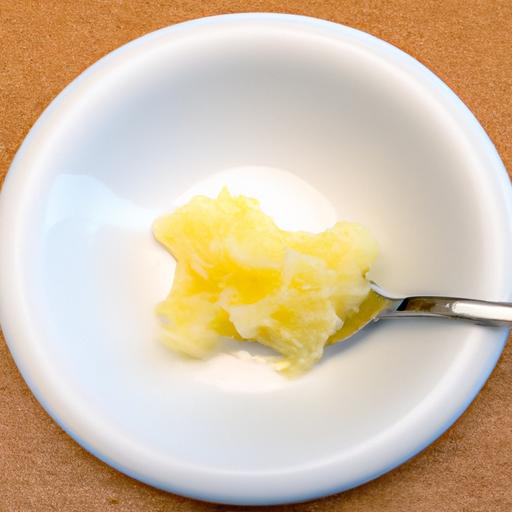

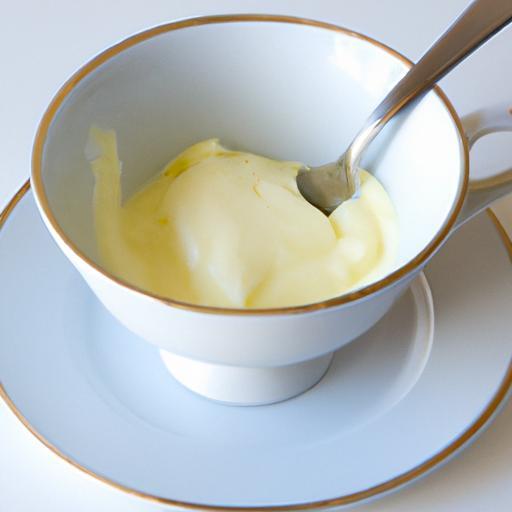
there’s something enchanting about clotted cream-the luxuriously thick, golden-hued spread that transforms a simple scone into a regal treat. Frequently enough hailed as the quintessential delight of english teatime, clotted cream carries with it a rich history and an artisanal allure that many believe can only be found in the rolling countryside of Devon or Cornwall. But what if you could capture that luscious, velvety magic right in your own kitchen? In this article, we’ll delve into the art and science of crafting homemade clotted cream, unlocking the secrets to creating this creamy masterpiece from scratch. Prepare to elevate your culinary repertoire and bring a little slice of tradition-and indulgence-into your home.
Cream of the Crop: Crafting Homemade Clotted Cream Magic
Cream of the Crop: Crafting Homemade Clotted Cream Magic unlocks the secrets behind one of Britain’s most decadent dairy treasures. Revered as the days of devonshire country kitchens, clotted cream is more than just a condiment – it’s an experience. Silky yet rich,with a velvety surface that melts into warm scones,this golden dollop elevates teatime into a ritual of indulgence. Inspired by my first taste during a misty English afternoon, I discovered that mastering authentic clotted cream at home is an art that rewards patience and precision.
Prep and Cook Time
- Preparation: 5 minutes
- Cooking & cooling: 12 hours (slow heating + refrigeration)
- Total Time: Approximately 12 hours 5 minutes
Yield
- About 1 cup (240 ml) of clotted cream
- Serves 4-6 with scones or desserts
Difficulty Level
- Easy to Medium: Requires patience, minimal active cooking
Selecting the Perfect Cream for Authentic Homemade Clotted Cream
To achieve silky perfection in your Cream of the Crop: Crafting Homemade Clotted Cream Magic, start with unpasteurized or ultra-high-fat heavy cream. Look for cream that boasts at least 35-40% fat content, ideally from grass-fed cows. The higher fat ensures long, slow heating will coax out that iconic thick layer. Avoid ultra-pasteurized creams as intense heat treatment alters the texture and flavor potential. If available, local farm-fresh cream produces the most luscious, creamy finish with a subtle sweetness.
Ingredients
- 2 cups (480 ml) heavy cream – ideally unpasteurized or raw, high-fat content
Step by Step Guide to Achieving the Ideal Thick and Luxurious Texture
- Pour the cream into a wide, shallow ceramic or glass baking dish. The pan’s large surface area encourages even heating and optimal skin formation.
- Preheat your oven to 180°F (82°C). Use an oven thermometer to ensure temperature accuracy, as true clotted cream requires gentle heat.
- Place the dish in the oven uncovered. Slowly heat the cream for 10-12 hours (overnight works perfectly) without stirring. This extended heat thickens the cream, allowing a golden crust to form on top.
- Remove the dish and allow it to cool to room temperature. then cover tightly and chill in the refrigerator for at least 8 hours, ideally 12-24 hours. This resting period helps the cream solidify into its velvety state.
- Use a spoon to carefully skim the thickened clotted cream layer from the surface. beneath lies thinner cream that can be used for baking or smooth drinks.
- Transfer the thick clotted cream to an airtight jar. Keep refrigerated and consume within 5 days for best freshness.
Chef’s Notes
- Using a low,steady oven temperature is the key. to hot, and the cream will curdle or brown excessively.
- Glass or ceramic dishes retain heat better than metal, ensuring even clots.
- If you can’t find raw cream, opt for pasteurized heavy cream with no ultra-pasteurization.
- Reserve the skimmed cream underneath for decadent coffee creamers or custards.
- For a twist, stir in a tiny pinch of sea salt before chilling for a subtly salty finish.
Serving Suggestions and Storage Tips to Keep Your Clotted Cream Fresh and Flavorful
Clotted cream shines at teatime, especially when paired with freshly baked warm scones, aromatic strawberry jam, or honey. Dollop generously atop sponge cakes or use as a luscious topper on poached fruits and berry pavlovas.Garnish with a sprig of fresh mint or a sprinkling of edible flowers for a visually stunning presentation.
Store clotted cream in a sealed glass jar in the coldest part of your fridge, ideally below 40°F (4°C). Always use a clean,dry spoon to avoid contamination,and enjoy within 5 days to experience its full,fresh cream flavor. For longer storage, freeze clotted cream in small portions, though slight texture changes may occur.
Nutritional Data (per 2 tbsp serving)
| Calories | Protein | Carbohydrates | Fat |
|---|---|---|---|
| 110 kcal | 0.5 g | 0.4 g | 12 g |

Intrigued to explore more customary British delicacies? Check out our Devonshire Scones recipe for the perfect companion to your clotted cream experience. For a deeper dive into dairy science, the British Nutrition foundation offers excellent insights.
Q&A
Q&A: Cream of the Crop – Crafting Homemade Clotted Cream Magic
Q1: What exactly is clotted cream, and why is it considered so special?
A1: Clotted cream is a rich, velvety dairy delight, boasting a luscious texture that’s thick enough to stand atop a scone yet smooth enough to melt on your tongue. Traditionally made by slowly heating full-fat cow’s milk and then allowing it to cool and “clot,” this golden cream has a nutty, slightly sweet flavor that’s utterly unparalleled. It’s the crown jewel of British teatime, turning ordinary scones into regal treats.Q2: Why should I bother making clotted cream at home when it’s available in stores?
A2: Homemade clotted cream is an enchanting labor of love! Store-bought versions ofen suffer from additives or inconsistent textures, but crafting your own allows you to control purity, freshness, and flavor. Plus, the slow, gentle process connects you to centuries-old culinary traditions-there’s magic in patience, and the payoff is sensationally creamy goodness.
Q3: What’s the secret to achieving that perfect thick skin on the cream?
A3: Patience is your best friend here. The magic lies in slowly heating heavy cream (or unpasteurized milk if you have access) at a low temperature, typically around 80-85°C (175-185°F), for several hours, then letting it cool undisturbed. This slow coagulation causes the fat to rise and “clot,” forming the thick, golden “skin” that’s signature to clotted cream. Avoid stirring or jostling; treat it like a delicate spell unfolding.
Q4: Can I make clotted cream without traditional tools or equipment?
A4: Absolutely! You don’t need specialized kitchen wizardry. A heavy-bottomed saucepan, a reliable thermometer, and a shallow dish for cooling are often enough. Some modern aficionados even use slow cookers or sous-vide devices to control temperature precisely. The key is gentle heat and slowing down-there’s no rush in conjuring clotted cream magic.
Q5: How long does homemade clotted cream keep, and how should I store it?
A5: Freshly made clotted cream should be kept refrigerated and enjoyed within 3-5 days for the best flavor and texture. Store it in a clean, airtight container to preserve its delicate creaminess. If you find yourself with extra cream, consider stirring it into desserts or dolloping it over fresh fruit for a speedy indulgence before it bids farewell.
Q6: Are there any creative twists to using clotted cream beyond the classic scone topping?
A6: Oh,the possibilities! Clotted cream’s rich texture lends itself beautifully to desserts-from swirling into warm fruit pies and crumbles to enhancing cheesecakes or panna cottas. Try layering it with fresh berries and a drizzle of honey for a no-fuss, elegant treat, or even blend it into coffee for a decadent, silky twist. It’s a versatile treasure waiting to elevate your culinary repertoire.
Q7: Any final tips for first-time clotted cream makers?
A7: Embrace the slow rhythm of the process and resist the urge to peek too often-it’s like watching a spell unfold, and too much disturbance can disrupt the magic.Use the highest-quality cream you can find; the richer, the better. Remember, clotted cream is as much about texture as flavor, so relish the tactile experience as much as the taste. And above all, savor every luscious bite-you’ve earned it!
In Retrospect
As you embark on your own journey to create this luscious, golden delight, remember that homemade clotted cream is more than just a recipe-it’s a festivity of patience, tradition, and simple ingredients transformed through time. Whether dolloped generously atop freshly baked scones or swirled into your favorite desserts, this creamy marvel elevates every bite with its rich, velvety indulgence. So gather your cream, embrace the slow magic of the process, and craft your very own cream of the crop-becuase some delights are best homemade, and clotted cream is certainly one of them.