

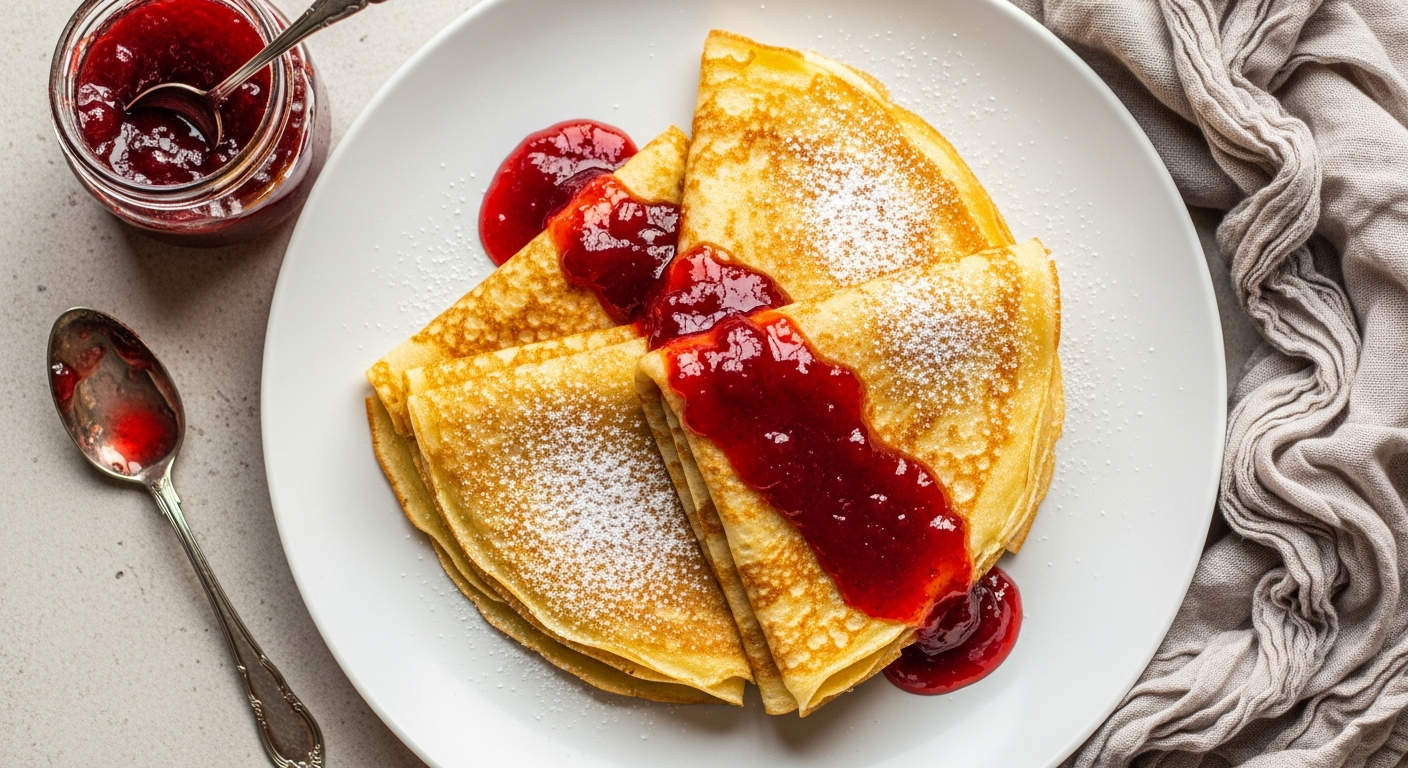
Delicate, thin, and irresistibly versatile, crepes have long held a special place on tables around the world. From their humble origins in the rolling hills of Brittany to their status as a beloved staple in global cuisine,crepes embody both tradition and innovation. Whether enjoyed plain with a sprinkle of sugar or transformed into a canvas for imaginative fillings, these golden pancakes invite endless culinary creativity. In this article, we journey through the art of crepes, exploring timeless classics alongside daring new flavors that push the boundaries of this age-old delight. Prepare to discover how this simple batter can unfold into a world of taste, texture, and endless possibility.
Mastering the perfect crepe batter techniques opens the gateway to crafting delicate, thin, and irresistibly tender crepes that have delighted palates for centuries. Originating from the Brittany region in France, crepes offer an remarkable canvas blending tradition and innovation into every bite. From childhood memories of shared breakfasts to elegant brunches, the art of crepes transcends occasions-inviting you to savor both timeless classic fillings and creative twists that elevate your culinary repertoire.
Prep and Cook Time
Preparation: 15 minutes
Resting: 1 hour (recommended)
Cooking: 20 minutes
Yield
Approximately 12 medium crepes (serving 4-6 people)
Difficulty Level
Medium – Requires patience and attention for flawless thin crepes
Ingredients
- 1 cup all-purpose flour, sifted
- 2 large eggs, at room temperature
- 1 1/4 cups whole milk, warmed slightly
- 2 tablespoons unsalted butter, melted, plus extra for the pan
- 1 tablespoon granulated sugar (optional, for sweet crepes)
- 1/4 teaspoon fine sea salt
- 1 teaspoon vanilla extract (optional, for sweet crepes)
Instructions
- Combine dry ingredients: In a large mixing bowl, whisk together the all-purpose flour, granulated sugar, and sea salt until evenly mixed.
- Incorporate eggs: create a well in the center and crack in the eggs. Gently whisk the eggs, gradually drawing in the flour from the edges.
- Add milk and butter: Slowly pour in the warmed milk while whisking continuously to prevent lumps. Stir in the melted butter and vanilla extract (if using), creating a silky-smooth batter.
- Rest the batter: Cover the bowl with plastic wrap and refrigerate for at least 1 hour. This crucial step hydrates the flour, relaxes gluten, and ensures tender crepes.
- Prepare your pan: Heat a non-stick or cast-iron crepe pan over medium heat. Lightly brush the surface with melted butter for the first crepe.
- Cook the crepes: Pour 1/4 cup of batter into the center of the pan and immediately tilt and swirl it around to form a thin, even layer.
- Flip with confidence: cook for about 1-2 minutes until edges lift and golden speckles appear on the underside. Use a spatula to carefully flip, cooking the other side for 30 seconds.
- Stack and keep warm: Transfer finished crepes to a plate covered loosely with foil or a clean kitchen towel to retain warmth and moisture.
- Repeat: Re-butter the pan lightly as needed and continue until all batter is used.
Tips for Success: Perfecting Your Crepe Batter
- Consistency is key: The batter should have a thin,pourable consistency,like heavy cream. If too thick, thin with a splash of milk; if too thin, sift and add a touch more flour.
- Measure precisely: Exact measuring transforms simple ingredients into flawless crepes.
- Swirling technique: A rapid wrist movement helps spread the batter evenly-practice makes perfect!
- Temperature control: Medium heat prevents burning and ensures even cooking.
- Resting time: Resist temptation to cook immediately. resting improves texture enormously.
- Make ahead: Batter can be stored in the fridge up to 24 hours. Stir gently before cooking.
Nutritional Facts (Per Crepe)
| Calories | Protein | Carbs | fat |
|---|---|---|---|
| 95 kcal | 4 g | 11 g | 3.5 g |
Serving Suggestions
present crepes elegantly on a large platter, stacking gently with parchment paper separating each layer to avoid sticking. garnish sweet crepes with fresh berries, a dusting of powdered sugar, and a sprig of mint for vibrant color contrast. For savory options, sprinkle with finely chopped herbs like chives or tarragon, and offer small bowls of complementary sauces-think hollandaise or Dijon mustard.
Pair your crepe feast with a crisp glass of champagne or freshly brewed coffee to elevate the experience into a memorable celebration of flavor and finesse.
Ready to dive deeper? Explore our guide on Pancakes vs. Crepes for nuanced differences and cooking styles. For further culinary inspiration, visit Serious Eats’ Crepe Masterclass.
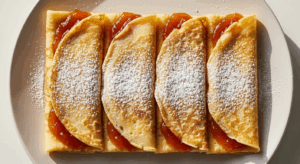
Exploring timeless Classic Fillings That Celebrate Tradition
Embrace the elegance of lemon and sugar, where a generous sprinkle of powdered sugar meets a zesty squeeze of fresh lemon juice-simplicity at its finest. For a heartier option, try the classic ham and Gruyère cheese, where the creamy, nutty cheese melts into tender slices of smoked ham, folded artfully within your crepe.
Sweet fans will adore the Nutella and banana combination, offering a luscious, chocolate-hazelnut spread paired with ripe, sliced bananas. Or opt for the velvety Crème fraîche and smoked salmon for a refined savory bite that honors French culinary roots.
Innovative Flavor Combinations to Elevate Your Crepe Experience
Why not reimagine tradition by layering unexpected flavors? Consider a ricotta and honey filling brightened with toasted pistachios and a hint of orange zest. For spice lovers, a chipotle chicken and avocado crepe topped with fresh cilantro and lime offers a smoky, creamy delight.
Vegan possibilities abound-swap dairy with coconut yogurt and pair with fresh berries and a drizzle of maple syrup for a wholesome celebration of nature’s bounty. The artistry of crepes means the sky’s the limit; let your creativity soar while maintaining the foundational techniques that ensure every bite is sublime.
Essential Tools and Tips for Creating Crepes like a pro
Equipping yourself with the right tools guarantees smoother preparation and presentation. A non-stick crepe pan or well-seasoned cast-iron skillet provides even heat distribution, critical for thin, uniform crepes.A silicone spatula aids in gentle flipping without tearing delicate edges.
For an authentic touch, a crepe spreader (a T-shaped wooden or plastic tool) effortlessly creates that perfect thin layer. Use a ladle or measuring cup for consistent batter portions. invest in a wire rack to cool crepes without condensation, preserving texture and preventing sogginess.
Q&A
Q&A: The Art of Crêpes – From Classic to Creative Flavors
Q1: What exactly is a crêpe,and how does it differ from a pancake?
A: At its heart,a crêpe is a thin,delicate pancake originating from Brittany in France. Unlike the fluffy American pancake, crêpes are paper-thin, with a lacy, tender texture that makes them perfect for rolling, folding, or layering. They serve as a versatile canvas for both sweet and savory fillings, inviting endless creativity.
Q2: What are the basic ingredients needed to make a classic crêpe batter?
A: Simplicity is key: all you need is flour, eggs, milk, a pinch of salt, and a touch of melted butter. The magic lies in the batter’s consistency-smooth and pourable but not too runny-allowing it to spread effortlessly and yield that signature thinness.
Q3: How can I master the perfect crêpe technique at home?
A: Heat your pan evenly, lightly butter it, then pour just enough batter to coat the surface in a thin, even layer. Swirl the pan quickly to spread the batter. Cook until the edges lift and the bottom turns golden, then flip swiftly. With a bit of practice, you’ll be flipping like a Parisian street vendor in no time!
Q4: What are some timeless classic crêpe fillings?
A: The classics never go out of style: think rich Nutella and sliced bananas, zesty lemon juice with powdered sugar, or a savory ham-and-cheese combo. These timeless fillings highlight the crêpe’s delicate texture while celebrating familiar, comforting flavors.
Q5: How are creative crêpe flavors evolving today?
A: Chefs and home cooks alike are turning crêpes into edible works of art. Imagine matcha-infused batter, stuffed with cardamom-spiced pumpkin puree, or a savory option filled with smoked salmon, dill cream cheese, and capers. Global influences and seasonal ingredients inspire endless innovation.Q6: Can crêpes be made gluten-free or vegan?
A: Absolutely! Substitute regular flour with buckwheat, rice, or chickpea flour for gluten-free delights.For vegan crêpes, swap eggs with flaxseed or chia gel and use plant-based milks. The texture might shift slightly, but flavor and versatility remain wonderfully intact.
Q7: What’s the cultural significance of crêpes beyond France?
A: while crêpes are quintessentially french, their charm transcends borders. In many countries, they symbolize celebration and togetherness-think Candlemas (La Chandeleur) in France, where flipping crêpes is a good-luck ritual, or Japanese street fairs featuring thin pancakes called dorayaki. Their worldwide appeal lies in being simple yet complex treats.
Q8: Any tips for pairing crêpes with drinks?
A: For sweet crêpes, a sparkling Rosé, light coffee, or chamomile tea complements the flavors beautifully. Savory crêpes pair wonderfully with crisp white wines like Sauvignon Blanc, or even a refreshing cider. The key is balance-crêpes harmonize best with beverages that uplift, not overpower.
Q9: How can I present crêpes stylishly for guests?
A: Presentation is part of the artistry! Try folding crêpes into triangles, rolling them like cigars, or layering them as a cake (crêpe gâteau).Garnish with fresh herbs for savory bites or dust powdered sugar and drizzle sauces for sweet delights. A vibrant plate invites curiosity before the first bite.Q10: Why are crêpes considered the perfect canvas for culinary creativity?
A: Crêpes are neutral in flavor yet rich in possibility. Their thin, supple nature welcomes nearly any ingredient-sweet, savory, simple, or extravagant. this adaptability paired with ease of making transforms the humble crêpe into a dynamic dish, limited only by imagination. From classic comfort to avant-garde innovation, crêpes celebrate the joy of culinary expression.
The Conclusion
As we fold the final layers of this exploration into the art of crêpes, it’s clear that these delicate, golden canvases offer endless possibilities-from the timeless charm of classic butter and sugar to the bold invention of unexpected, creative fillings. Whether you favor sweet or savory, conventional or adventurous, mastering the crêpe is more then just a culinary skill; it’s an invitation to celebrate culture, flavor, and creativity in every bite. So next time you whip up a batch,remember: each crêpe is not just food,but a story waiting to be told-one flavorful fold at a time.