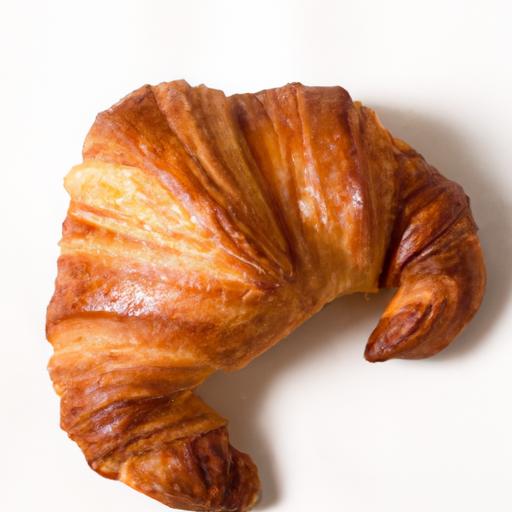

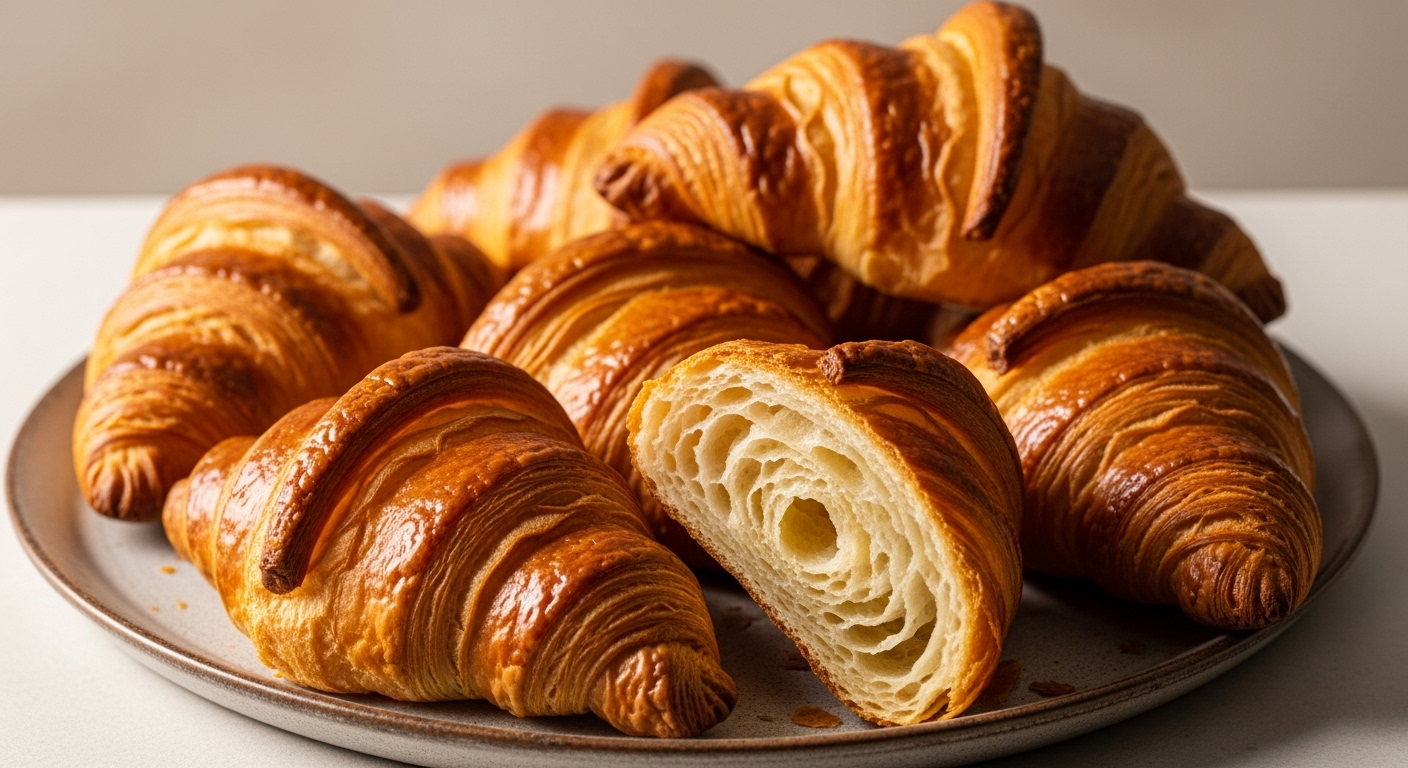
Golden, buttery, and irresistibly flaky-the croissant is more than just a breakfast pastry; it’s a delicate masterpiece that has captivated taste buds across the globe. Behind its iconic crescent shape lies a rich tapestry of history, intricate technique, and culinary artistry. In this article, we’ll unravel the story of the croissant’s origins, trace its journey from humble beginnings to Parisian fame, and reveal the baking secrets that create its signature layers of crisp, airy perfection. Whether you’re a casual admirer or an aspiring baker, prepare to discover the flaky charm that makes the croissant a timeless symbol of indulgence and craftsmanship.
Origins of the Croissant Journey Through Time and Tradition
The Flaky Charm of Croissants has captivated taste buds and hearts worldwide, but the story behind this beloved pastry is as rich and layered as the croissant itself. Originating from the Austro-Hungarian kipferl in the 13th century,the croissant as we know it today was perfected in France during the 19th century. Legend traces its rise to Parisian bakeries, where bakers transformed the crescent shape into a buttery, laminated masterpiece symbolizing both artistry and indulgence. This journey through time reflects a cross-cultural mosaic, with the croissant embodying centuries of baking wisdom and the festivity of flaky textures.
Mastering the Lamination Process for Perfect Flakiness
flakiness in croissants is achieved through lamination-a process of folding layers of dough and butter repeatedly to create hundreds of thin sheets. Begin by encasing cold, high-quality butter in your dough, then roll and fold it carefully, maintaining an even thickness throughout. The key is patience: a slow chill between folds lets the butter firm up,keeping layers distinct during baking.when heat hits these layers, the water in the butter turns to steam, puffing up the dough into that iconic airy, flaky texture you crave. Remember, the rhythm of rolling and folding is as important as the ingredients to conquer the lamination process successfully.
Choosing the Right Ingredients to Elevate Your Croissant
The essence of The flaky Charm of Croissants lies not only in technique but also in the ingredients you select.Use unbleached all-purpose flour with moderate protein content for a tender, resilient dough. Incorporate unsalted European-style butter, packed with high fat for flavor and pliability. Cold ingredients are essential-chilled milk and ice-cold water keep your dough from warming prematurely. A touch of sugar balances the buttery richness, while fresh yeast ensures a gentle rise, lending an airy crumb without overwhelming sweetness. High-quality ingredients set the stage for unrivaled flavor and structure.
Pro Tips for Baking Croissants That Melt in Your Mouth
Achieving croissants that literally melt on your tongue demands attention to detail across every step. Always keep your dough and butter chilled but pliable to maintain layer integrity during rolling. Use a sharp knife to cut the dough triangles cleanly; ragged edges impede proper rise. After shaping, allow croissants to proof at a cool temperature-ideally around 75°F (24°C)-until they double in size, which might take 2 to 3 hours. Brush them gently with an egg wash for that golden sheen,then bake on a preheated stone or baking sheet for even heat distribution. cool slightly before savoring to let layers settle and flavors blossom. These tips will help you unlock the true magic embedded in the lamination process and ingredients.
Prep and Cook Time
- Preparation: 45 minutes (plus 12-15 hours chilling and proofing)
- Cooking: 20-25 minutes
- Total Time: Approximately 14-15 hours (including overnight chilling)
Yield
- Makes 12 classic croissants
Difficulty Level
- Advanced (requires precision and patience)
Ingredients
- 3 ½ cups (440g) unbleached all-purpose flour, sifted
- 1/4 cup (50g) granulated sugar
- 2 tsp fine sea salt
- 2 ¼ tsp (1 packet) active dry yeast
- 1 cup (240ml) whole milk, cold
- 3 tbsp unsalted butter, melted (for dough)
- 1 ¼ cups (280g) cold european-style unsalted butter, for laminating
- 1 large egg, for egg wash
instructions
- Activate Yeast: In a small bowl, dissolve yeast in cold whole milk. Let rest for 5 minutes until foamy.
- Mix Dry Ingredients: In a large bowl, whisk together flour, sugar, and salt.
- Form Dough: Add melted butter and yeast mixture to dry ingredients. Stir with a wooden spoon until dough just starts to come together. Knead gently for 2-3 minutes until smooth but not overworked.
- First Chill: Shape dough into a flat rectangle, wrap in plastic, and refrigerate for at least 4 hours or overnight to relax gluten.
- Prepare Butter block: Place cold butter between two sheets of parchment paper. Using a rolling pin, pound and roll into a 7×7 inch square. Keep chilled but pliable.
- Laminate Dough: Roll dough on a floured surface into a 10×20 inch rectangle. Place butter square on one half of dough, fold dough over to cover butter completely, sealing edges.
- perform the “Turns”: Roll dough into 10×20 inch rectangle again. Fold into thirds like a business letter. Wrap and chill for 1 hour. Repeat this rolling and folding (“turn”) two more times, chilling dough 1 hour between each turn.
- Shape Croissants: After final chill, roll dough to about ¼ inch thickness and cut into 12 equal triangles. Starting from the base, roll each triangle tightly towards the tip, curling ends slightly.
- Proof: Place croissants on baking sheets lined with parchment paper. Cover loosely and proof in a warm spot (75°F/24°C) for 2-3 hours or until doubled in size.
- Egg Wash and Bake: Beat egg and brush gently over croissants. Bake in a preheated oven at 400°F (200°C) for 20-25 minutes until golden brown and flaky.
- cool and Serve: Allow to cool on wire rack for 10 minutes before enjoying to fully appreciate the delicate layers and flavor.
Tips for Success
- Use european-style butter with at least 82% fat for lamination to achieve ideal flakiness and flavor.
- Keep all your tools and surfaces lightly floured but avoid excess flour limit dryness.
- Don’t rush the chilling stages-each rest period is crucial for layering and gluten relaxation.
- If your butter softens too much during rolling, chill dough immediately to prevent blending with dough.
- For a sweet twist, sprinkle a touch of cinnamon sugar before rolling.
- Leftover croissants can be frozen wrapped tightly and reheated for nearly fresh taste.
Serving Suggestions
Serve warm croissants with a pat of good-quality French butter or a dollop of artisanal jam for a classic French breakfast experience. Add fresh berries or a drizzle of honey for a decadent brunch option. They pair beautifully with café au lait or a cup of rich espresso, allowing the buttery layers to truly shine. Garnish with a light dusting of powdered sugar or slivered almonds to elevate presentation for special occasions or intimate gatherings.
| Nutritional Info (per croissant) | Calories | Protein | Carbs | Fat |
|---|---|---|---|---|
| Classic Butter Croissant | 295 kcal | 5 g | 31 g | 15 g |

For a deep dive into the history of laminated doughs and further baking techniques, explore the in-depth guide at King Arthur Baking Company.
Q&A
Q&A: The Flaky Charm of Croissants – History and baking secrets
Q1: Why are croissants so irresistibly flaky?
A1: The magic lies in the legendary technique called laminating dough. By folding butter into the dough multiple times, bakers create countless thin layers of butter and pastry. When baked, the water in the butter turns to steam, puffing up these layers into the delicate, flaky texture that croissants are famed for. It’s like a buttery symphony of crispiness and tenderness in every bite.
Q2: Where did croissants originate? Did they really come from France?
A2: Surprisingly, the croissant’s story begins not in Paris but in Vienna. The kipferl, a crescent-shaped pastry, was enjoyed by Austrians long before croissants strutted onto French bakery shelves. Legend credits the croissant’s invention to Vienna’s bakers celebrating a victory over Ottoman Turks, with the crescent symbolizing thier emblem. the French then embraced and refined it, transforming the kipferl into the light, airy croissant we adore today.
Q3: What’s the key ingredient that sets croissants apart from other pastries?
A3: Pure, high-quality butter is the crowning jewel in croissant dough. Its fat content and moisture are essential for that melt-in-your-mouth flakiness and rich,slightly nutty flavor. Some bakers swear by European-style butter with higher fat content to elevate their croissants to buttery perfection.
Q4: Can you reveal one insider tip to perfect croissants at home?
A4: Patience is your best ally. The dough needs time to chill and rest between folds to keep the butter cold and prevent it from melting into the dough. This chilling process is what creates those distinct layers. Also,don’t rush the proofing-allow your croissants to puff up before baking to ensure airy,fluffy crescents.
Q5: How do croissants maintain their charm across cultures and menus worldwide?
A5: Croissants are a blank canvas, a pastry perfect for endless creativity-savory with ham and cheese, sweet with chocolate or almond paste. Their flaky, buttery allure pairs beautifully with morning coffee, lunch spreads, and even gourmet meals. This versatility, combined with a timeless elegance, keeps croissants brilliantly fashionable from Parisian cafés to global bakeries.Q6: What’s the biggest mistake beginners make when baking croissants?
A6: Overworking the dough or letting the butter melt during laminating is the usual downfall. When butter softens too much, it blends into the dough instead of forming distinct layers, resulting in dense, greasy pastries.Keeping everything cool and handling the dough gently ensures those perfect pockets of flaky heaven emerge from your oven.
Q7: Is there a secret to that golden, glossy finish on croissants?
A7: Indeed! The classic croissant sheen comes from an egg wash-a simple mixture of beaten egg, sometimes with a splash of water or milk-brushed delicately on before baking. It bakes into a radiant, golden crust that’s as gorgeous as it is delicious.
Feel that craving rising? Knowing the history and secrets behind croissants only deepens their charm – now all that’s left is to enjoy one with a cup of your favorite brew. Bon appétit!
Insights and Conclusions
As the final buttery layers of the croissant unfold, so too does the story of a pastry that has transcended time and borders, enchanting taste buds with its delicate flakiness and rich heritage. From its humble beginnings to the precise alchemy of butter and dough that creates its iconic texture, the croissant remains a symbol of artisanal craft and culinary passion. whether you savor it fresh from a Parisian boulangerie or take up the challenge of baking your own, the croissant invites you to appreciate the art hidden within each crisp, golden fold-a delicious reminder that sometimes, the simplest pleasures carry the richest stories.