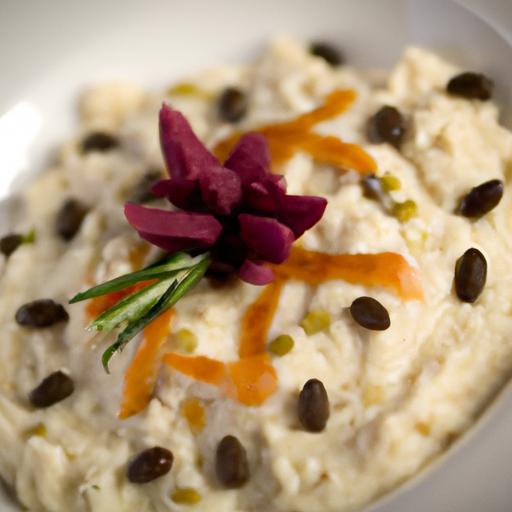

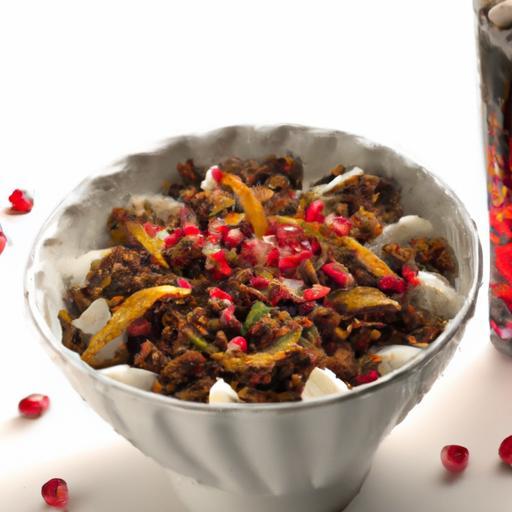
Beneath the surface of Middle Eastern cuisine lies a dish as rich in history as it is in flavor-Fatteh. Often celebrated as a comforting mosaic of textures and tastes, Fatteh invites food lovers on a sensory journey through its vibrant layers of toasted bread, creamy yogurt, tender meats, and fragrant spices. In this exploration, we’ll peel back each stratum to reveal how this humble yet hearty dish artfully balances tradition and innovation, turning simple ingredients into a symphony of taste. Join us as we unveil the story and secrets behind Fatteh, uncovering why it continues to captivate and nourish generations across the region and beyond.
Fatteh Unveiled is not just a dish; it’s a vibrant symphony of ingredients and textures rooted deeply in Levantine culinary heritage. originating from the fertile lands of the Eastern Mediterranean, fatteh has been a beloved comfort food for generations-celebrated for its unique layering of crispy bread, creamy yogurt, savory meats, and nutty garnishes. Each bite tells a story of tradition, family gatherings, and the joy of sharing food that’s both humble and decadently flavorful.
Prep and Cook Time
Preparation: 20 minutes
Cooking: 30 minutes
Total time: 50 minutes
Yield
Serves 4 generous portions.
Difficulty Level
Medium – approachable for home cooks comfortable with multitasking and layering flavors.
Ingredients
- 3 cups stale pita bread, cut into 1-inch pieces
- 1/4 cup olive oil
- 2 cups plain Greek yogurt
- 3 cloves garlic, finely minced
- 1/2 teaspoon ground cumin
- 1/4 teaspoon smoked paprika
- 1/2 teaspoon salt, adjust to taste
- 1/4 teaspoon black pepper
- 1 cup cooked chickpeas (canned or home-cooked, drained and rinsed)
- 1/2 cup pine nuts, toasted
- 1/2 cup slivered almonds, toasted
- 1/4 cup fresh parsley, finely chopped
- 1 cup cooked shredded chicken or lamb (optional)
- 2 tablespoons tahini sauce (optional)
- Juice of 1 lemon
Instructions
- Prepare the crispy bread base: Heat olive oil in a large skillet over medium heat. Add the pita bread pieces in batches and sauté until golden and crisp, about 5-7 minutes, stirring frequently to prevent burning. Set aside on paper towels to drain excess oil.
- Make the garlic yogurt sauce: In a bowl,whisk together Greek yogurt,minced garlic,ground cumin,smoked paprika,salt,pepper,and lemon juice until smooth and creamy. Adjust seasoning to taste.
- Warm the chickpeas and meat: If using chicken or lamb, gently reheat in a pan. Toss chickpeas with a pinch of salt and a drizzle of olive oil, warming them just enough to soften if cold.
- Begin layering: In a shallow serving dish, spread the crispy pita bread evenly across the bottom as the crunchy foundation.
- Add chickpeas and meat: Evenly distribute the warm chickpeas over the bread, followed by the shredded chicken or lamb.
- Top with yogurt sauce: Spoon the garlicky yogurt mixture generously, smoothing to cover the ingredients beneath but leaving some texture visible for an inviting look.
- Garnish with nuts and herbs: Sprinkle toasted pine nuts and almonds evenly over the top. Finish with a scattering of fresh parsley for vibrant color and brightness.
- Optional tahini drizzle: For extra depth, drizzle tahini sauce artistically over the entire dish right before serving.
- Serve instantly: The magic of fatteh lies in its contrasting textures-serve it fresh to enjoy the crisp bread layers maintaining their crunch beneath creamy yogurt and tender meat.
Tips for Success
- Crisp bread: Use day-old or slightly stale pita for the best crunch. Fresh pita can be toasted lightly to remove excess moisture.
- yogurt consistency: Greek yogurt works best due to its thick, rich texture; if unavailable, strain regular plain yogurt using cheesecloth for 1-2 hours.
- Meat variations: Traditionally,shredded roasted chicken or lamb works beautifully,but you can omit or substitute with sautéed mushrooms for a vegetarian option.
- Make-ahead: Prepare the bread and yogurt sauce ahead of time,but assemble just before serving to keep textures distinct.
- Enhance flavors: Finish with a splash of pomegranate molasses for a tangy contrast,or a pinch of Aleppo pepper for warmth.
Serving Suggestions
Present fatteh in a rustic shallow bowl or plate, layering visibly so guests can appreciate its gorgeous golden and creamy tones. Garnish with an extra drizzle of olive oil, chopped fresh mint, and a wedge of lemon on the side. Pair it with warm flatbread and a simple cucumber-tomato salad dressed in lemon vinaigrette for a complete, authentic Levantine feast.
| Nutrient | Per serving |
|---|---|
| Calories | 420 kcal |
| Protein | 22 g |
| Carbohydrates | 35 g |
| Fat | 18 g |

For an immersive dive into Middle Eastern cuisine, explore our Lebanese recipes collection. Learn more about the cultural context of fatteh here.
Q&A
Q&A: Fatteh Unveiled – A Flavorful Journey Through layers of Taste
Q1: What exactly is Fatteh?
A1: Fatteh is a beloved Middle Eastern dish that artfully combines layers of textures and flavors-think crunchy pita, creamy yogurt, savory chickpeas, and fragrant spices-all harmonizing in a single bowl. It’s comfort food that tells a story with every bite.
Q2: Where does Fatteh originate from?
A2: Fatteh traces its roots to the Levant region,encompassing countries like Lebanon,Syria,Jordan,and Palestine. Each place brings its own twist, but at its heart, Fatteh is a festivity of simplicity meeting sophistication.
Q3: What makes Fatteh so unique compared to other dishes?
A3: The magic of Fatteh lies in its layered construction. It’s not just a salad or a stew-it’s a medley of contrasting elements: crunchy toasted bread shards, creamy yogurt, nutty chickpeas, zesty garlic, and sometimes tender meats or pine nuts. This contrast creates a symphony of flavors and textures that engage every sense.
Q4: How is Fatteh typically prepared?
A4: Traditionally, Fatteh starts with lightly toasted or fried pita bread chunks.On top, warm chickpeas seasoned with aromatic spices are added, followed by a generous drizzle of garlicky yogurt sauce. It’s often garnished with pine nuts or almonds, a sprinkle of sumac or paprika, and sometimes fresh herbs like parsley.Q5: Are ther different varieties of Fatteh?
A5: Absolutely! While the classic chickpea version is most common, variations include layers of shredded chicken, minced beef, or eggplant.Some regions add tahini or simmer lamb with spices, making Fatteh endlessly adaptable and always exciting.
Q6: Can Fatteh be considered healthy?
A6: Yes, it can be quite wholesome! With protein-rich chickpeas, probiotic-packed yogurt, and whole spices, Fatteh offers nourishment along with flavor.Plus, it’s easily tailored to vegetarian or gluten-free diets by swapping ingredients accordingly.Q7: What’s the best occasion to enjoy Fatteh?
A7: Fatteh is as versatile as it is indeed delicious. It shines at family gatherings, festive celebrations, or even as a hearty breakfast. Its layered nature invites communal sharing-perfect for slowing down and savoring good company and great taste.Q8: How can one start their own flavorful journey with Fatteh at home?
A8: Begin with soft pita-toast, fry, or bake it to crispy perfection. Whip up a garlicky yogurt sauce, warm some chickpeas with cumin and coriander, and layer thoughtfully. Experiment with toppings like toasted nuts, fresh herbs, or a drizzle of olive oil. Embrace the creative process, and let each layer tell your culinary story.
Q9: Why has Fatteh endured through centuries?
A9: Its enduring appeal lies in simplicity and versatility-qualities that resonate across cultures and generations. Fatteh is both humble and indulgent, a dish that comforts and excites, reminding us how food can connect history, culture, and community in one flavorful embrace.
Step into the world of Fatteh and discover how a humble dish transforms into a vibrant mosaic of taste-each layer a chapter in a flavorful journey worth savoring.
Wrapping Up
As our flavorful journey through the layers of Fatteh comes to a close, we find ourselves enriched not only by its vibrant ingredients but by the cultural tapestry it represents.More than just a dish, Fatteh is a celebration of history, heritage, and harmony-each bite a story that invites us to savor tradition in every mouthful. Whether enjoyed as a comforting meal or a festive centerpiece,Fatteh continues to unite flavors and hearts across generations. So next time you lift your spoon to this layered delight, remember: you’re partaking in a culinary voyage that transcends the plate, embracing the rich, diverse spirit of a timeless taste.