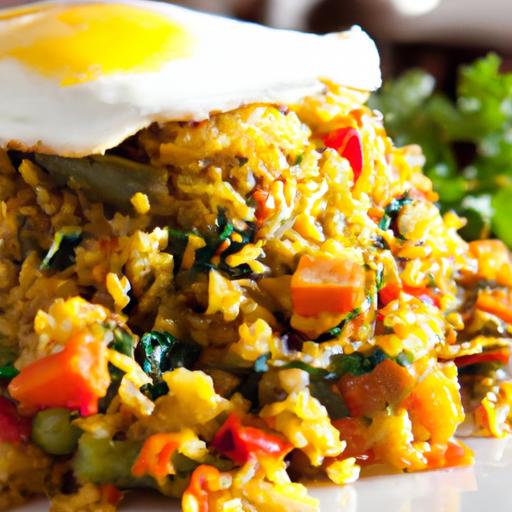

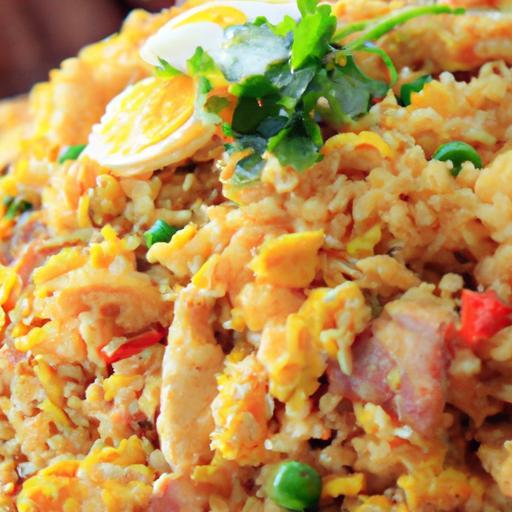
In the bustling streets of Jakarta and the cozy kitchens of Bali,a symphony of sizzling spices and fragrant rice fills the air-a tantalizing prelude to one of Indonesia’s most beloved culinary treasures. Nasi Goreng, frequently enough hailed as the nation’s iconic fried rice, is more than just a dish; it’s a vibrant tapestry woven from centuries of tradition, local flavors, and cultural stories. from humble street stalls to elegant dining tables, this savory delight captures the heart of Indonesian cuisine. Join us as we unravel the layers of Nasi Goreng, exploring its rich history, unique ingredients, and the irresistible charm that has made it a global favorite.
Nasi Goreng, Indonesia’s iconic fried rice delight, is more than just a meal-it’s a culinary tapestry woven through centuries of cultural exchange and local tradition. Its smoky aroma and vibrant flavors tell stories of bustling street vendors, family gatherings, and the heartwarming simplicity of everyday Indonesian life. As a beloved comfort food and national treasure, this dish captures the essence of Indonesia’s rich heritage in every perfectly stir-fried grain.
Prep and Cook time
- Preparation: 15 minutes
- Cooking: 20 minutes
- Total Time: 35 minutes
Yield
- Serves 4 hearty portions
Difficulty Level
- Easy to Medium - perfect for home cooks craving authentic Indonesian flavors
key Ingredients and Flavor Profiles that Define the Perfect Nasi Goreng
- 3 cups cooked jasmine rice (preferably cooled overnight for ideal texture)
- 2 tbsp kecap manis (sweet soy sauce; the soul of Nasi Goreng’s caramelized sweetness)
- 3 cloves garlic, finely minced
- 2 shallots, thinly sliced
- 1 bird’s eye chili, finely chopped (optional, adjust to spice preference)
- 150g chicken breast, diced (optional for protein)
- 2 eggs, lightly beaten
- 2 tbsp vegetable oil
- 150g cooked prawns (optional)
- 1 stalk green onion, sliced thin
- 1 tsp shrimp paste (terasi), toasted lightly
- Salt and pepper to taste
- Fried shallots and fresh cucumber slices, for garnish
Step-by-Step Guide to Crafting Authentic Indonesian fried Rice at Home
- Prepare the rice: Use day-old jasmine rice to achieve that perfect fluffy, non-sticky fried rice texture. Break up any clumps before cooking.
- Sauté aromatics: Heat oil in a large wok or skillet over medium-high heat. Add garlic, shallots, and bird’s eye chili, stirring until fragrant and lightly golden-about 2 minutes.
- Cook protein: Toss in diced chicken and cook until nearly done, about 4 minutes. if using prawns, add them after chicken is cooked, briefly sautéing until pink and heated through.
- incorporate eggs: Push ingredients to one side of the wok, pour beaten eggs into the cleared space, scrambling gently until just set.
- Add rice and seasonings: Add rice, kecap manis, toasted shrimp paste, salt, and pepper.Stir-fry vigorously to coat every grain with the sweet, salty, smoky mixture. Stir for 5-7 minutes until the rice is hot and slightly caramelized.
- Finish with green onion: Toss in chopped green onion, mixing well for freshness and color.
- Plate and garnish: Serve hot, topped with crispy fried shallots and accompanied by refreshing cucumber slices and a wedge of lime for an added zing.
Recommended Regional Variations and Where to Savor Them across Indonesia
Indonesia’s vast archipelago offers a delightful spectrum of Nasi Goreng variations, each reflecting local terroir and tastes:
- Nasi Goreng Jawa: Sweeter with extra palm sugar and topped with a fried egg, commonly found in Central Java marketplaces.
- Nasi Goreng Padang: Packed with spicy chili and rendang-style beef, originating from West Sumatra’s minangkabau cuisine.
- Nasi Goreng Kampung: Made with fresh anchovies and sambal terasi,representing the humble flavors of rural villages.
- Nasi Goreng Bali: Frequently enough infused with aromatic spices like turmeric and complemented by lawar (customary vegetable mix).
Travelers should seek out bustling hawker stalls in Jakarta’s Menteng district or traditional warungs in Yogyakarta for authentic Nasi Goreng experiences.
Chef’s Notes: Tips for Success
- Rice choice is crucial: Use jasmine or long-grain rice cooked and cooled overnight; fresh rice tends to clump and turn mushy.
- Kecap manis substitutes: Blend soy sauce with molasses or brown sugar if you can’t find kecap manis, achieving that signature sweetness.
- Control your heat: Bird’s eye chili adds authentic spice-reduce or omit if desired to suit your palate.
- Make it vegetarian: Skip shrimp paste and animal proteins, and add sautéed mushrooms or tofu for umami depth.
- Advance prep: cook and cool rice a day in advance; prepare all ingredients before cooking for swift,high-heat stir-frying success.
Serving Suggestions
For an authentic presentation, serve your Nasi Goreng on a banana leaf or rustic ceramic plate. Top with a sunny-side-up egg, sprinkle crispy fried shallots, and add lime wedges and slices of fresh cucumber. Complement with simple side dishes like kerupuk (Indonesian crackers) and sambal for a flavor-packed meal.

| Nutrient | per Serving |
|---|---|
| Calories | 450 kcal |
| Protein | 25 g |
| Carbohydrates | 60 g |
| Fat | 10 g |
Discover more about Indonesia’s diverse culinary heritage and similar recipes by exploring our Indonesian Dishes Explored series. For a deep dive into the history and health benefits of Southeast Asian staples, visit Britannica’s Indonesian Cuisine Overview.
Q&A
Q&A: Nasi Goreng Unveiled - Indonesia’s Iconic Fried Rice Delight
Q1: What exactly is Nasi Goreng?
A1: Nasi Goreng, literally meaning “fried rice” in Indonesian, is more than just a dish-it’s a flavorful tapestry of Indonesia’s rich culinary heritage. It’s a stir-fried rice dish often infused with sweet soy sauce (kecap manis), garlic, shallots, chili, and a variety of proteins like chicken, shrimp, or eggs. Each bite offers a harmonious blend of savory, sweet, and spicy notes that tell a story of the archipelago’s vibrant food culture.
Q2: Why is Nasi Goreng considered Indonesia’s national dish?
A2: nasi Goreng holds a special place in Indonesian hearts as it’s accessible,versatile,and deeply ingrained in daily life. From street vendors in Jakarta to home kitchens across the islands,it symbolizes comfort and identity.Its widespread popularity and adaptability, coupled with its distinctive sweet and smoky flavor, have earned it the affectionate title of Indonesia’s unofficial national dish.
Q3: How does Nasi Goreng differ from other fried rice variations around the world?
A3: While fried rice is a global phenomenon, Indonesian Nasi Goreng stands out due to its signature use of kecap manis-a thick, sweet soy sauce that imparts a caramelized richness unique to the dish. Additionally, the inclusion of sambal (chili paste) adds a distinct spicy kick. Unlike some versions that rely heavily on soy sauce or oyster sauce, Nasi Goreng balances sweet, savory, and fiery flavors in a way that is distinctly Indonesian.
Q4: What are the typical ingredients in a classic Nasi Goreng?
A4: At its core, classic Nasi Goreng features day-old jasmine rice stir-fried with shallots, garlic, red chili, and kecap manis. It often includes diced chicken or shrimp, a fried egg perched on top, and garnishes like sliced cucumber, tomatoes, and crispy fried shallots. Sambal is usually served on the side for extra heat, allowing eaters to customize the spice level.
Q5: How has Nasi Goreng evolved across Indonesia’s diverse regions?
A5: Indonesia’s vast geography has given rise to countless regional twists on Nasi Goreng. In Bali, you might find Nasi Goreng with aromatic Balinese spices and peanuts; in Java, sweeter versions dominate, while Sumatra showcases spicier renditions with robust chili blends. Some coastal areas add fresh seafood, whereas inland varieties emphasize chicken or beef-each reflecting local tastes and available ingredients.Q6: Can Nasi Goreng be enjoyed at any time of day?
A6: Absolutely! In Indonesia, Nasi Goreng transcends meal categories, commonly enjoyed for breakfast, lunch, or dinner. Its swift preparation makes it a popular comfort food to start the day or a satisfying late-night snack after social gatherings. The dish’s adaptability and hearty nature mean it fits effortlessly into any mealtime.
Q7: Is Nasi Goreng easy to replicate at home for adventurous cooks?
A7: Though seemingly simple, mastering the perfect Nasi Goreng requires balancing flavors and technique-especially the caramelization effect from kecap manis and the wok hei (wok breath) imparted by high-heat stir-frying. Though, with fresh ingredients and a good recipe, home cooks can definitely capture its essence, bringing a slice of Indonesian street food charm into their kitchens.
Q8: What cultural significance does Nasi Goreng hold beyond just being a dish?
A8: Beyond nourishment, Nasi Goreng embodies the spirit of Indonesian togetherness, hospitality, and resourcefulness. It showcases how humble ingredients transform into a beloved meal that unites families and communities. It’s also a culinary ambassador, inviting the world to experience Indonesia’s rich history, diverse flavors, and the warmth of its people, one fragrant forkful at a time.
To Conclude
As the sun sets over the bustling streets of Indonesia, the sizzle of a well-seasoned wok signals more than just a meal-it invites you into a rich tapestry of history, culture, and flavor that is Nasi Goreng. This iconic fried rice dish, with its harmonious blend of smoky, spicy, and savory notes, tells a story far beyond the plate. Whether enjoyed from a humble street cart or a refined dining table, Nasi Goreng remains a appetizing testament to Indonesia’s culinary heritage. So next time you savor a bite, remember you’re partaking in a tradition that has united generations, sparked countless variations, and continues to delight palates across the globe. In every grain, a world of stories awaits-ready to be uncovered, one flavorful forkful at a time.