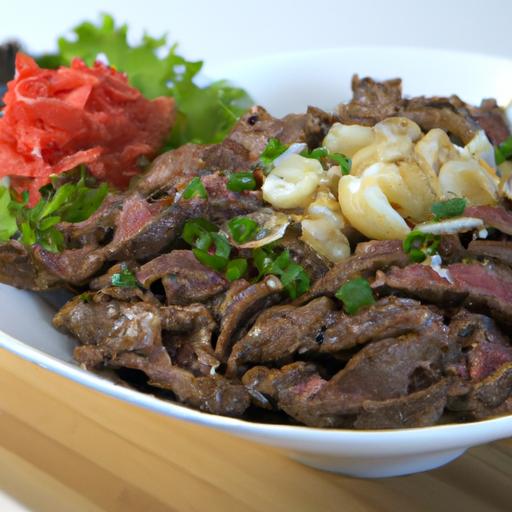

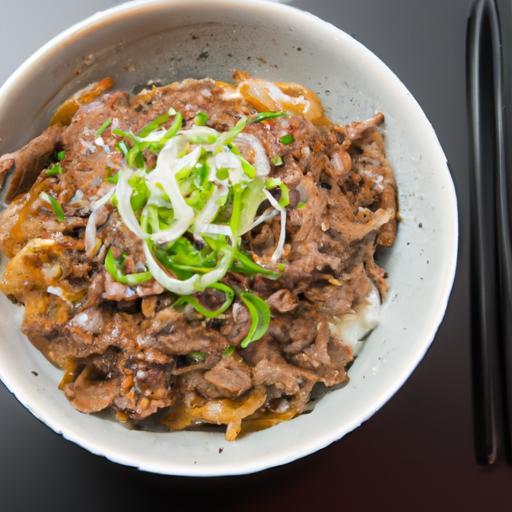
In the heart of Japan’s bustling streets and cozy home kitchens alike lies a humble yet irresistible dish that has captured the taste buds of millions: Gyudon, the savory beef bowl. This culinary marvel, with its tender slices of simmered beef glazed in a delicate blend of soy, mirin, and dashi, served atop steaming white rice, offers a perfect harmony of flavors that comforts and satisfies with every bite. Whether you’re a seasoned foodie eager to deepen your understanding or a curious cook longing to recreate a beloved Japanese classic, mastering Gyudon opens the door to a world where simplicity meets sophistication. Join us as we unravel the secrets behind this iconic dish, guiding you step-by-step to craft your very own bowl of authentic, mouthwatering Gyudon right at home.
Mastering Gyudon introduces you to a rich tapestry of flavors that blend simplicity with depth, capturing the heart of conventional Japanese comfort food. This iconic beef bowl marries tender slices of savory beef with a broth that dances between subtle sweetness and deep umami, creating a bowl that is both nourishing and soul-satisfying.Originating from the bustling streets of Tokyo as a quick yet satisfying meal, gyudon has evolved into a beloved dish worldwide, celebrated for its delicate balance and ease of preparation. Through this guide, you will learn how to choose the ideal beef cut, craft the perfect broth, and assemble a bowl that embodies authenticity in every bite.
Prep and Cook Time
- Preparation: 15 minutes
- Cooking: 15 minutes
- Total Time: 30 minutes
Yield
Serves 4 hearty portions
Difficulty Level
Easy to Medium – perfect for cooks who want impressive results with straightforward steps
Ingredients
- 500g thinly sliced ribeye or sirloin beef (preferably well-marbled for tender, juicy results)
- 1 large onion, thinly sliced
- 2 cups dashi broth (homemade or quality store-bought)
- 3 tbsp soy sauce
- 2 tbsp mirin (sweet rice wine)
- 2 tbsp sake
- 1 tbsp sugar
- 4 cups cooked Japanese short-grain rice
- Pickled red ginger (beni shoga), for garnish
- chopped green onions, for garnish
- Shichimi togarashi (Japanese seven-spice), optional for a spicy kick
Instructions
- Prepare the ingredients: Rinse the rice and cook according to package instructions.Thinly slice the beef against the grain for tenderness. Peel and thinly slice the onion into semi-translucent strips.
- make the broth: In a medium saucepan over medium heat, combine dashi broth, soy sauce, mirin, sake, and sugar. Stir gently until the sugar dissolves. Bring to a light simmer – do not boil aggressively to preserve delicate flavors.
- Sauté onions: Add the sliced onions to the broth and cook for about 5-7 minutes until softened and translucent, stirring occasionally to avoid sticking or burning.
- Add the beef: Introduce the thinly sliced beef into the simmering broth and onions. Stir gently and simmer for 3-5 minutes until the beef is just cooked through but remains tender and juicy-avoid overcooking.
- Assemble the bowls: Divide the cooked rice into four bowls. Spoon the beef and onion mixture generously over the rice, ensuring to ladle enough broth to keep it moist and flavorful.
- Garnish: Top each bowl with a handful of pickled red ginger, chopped green onions, and a sprinkle of shichimi togarashi if desired for added depth and contrast.
- Serve instantly, letting the warm steam release the fragrant combination ready to delight your senses.
Tips for Success
- Choosing the Beef: For authentic Mastering Gyudon flavor and texture,opting for ribeye or sirloin ensures marbling that melts beautifully. If preferred, thinly sliced chuck is a budget-pleasant option but can be slightly chewier.
- Broth Balance: Adjust sweetness by altering sugar or mirin quantities to your taste. for a richer umami, enhance the broth with a splash of soy-based seasoning or a light sprinkle of bonito flakes during simmering (discard before cooking beef).
- Make-Ahead: Broth can be prepared a day in advance and reheated gently. Slice beef just before cooking to retain freshness.
- Rice Tips: Use freshly cooked, steaming Japanese short-grain rice for the ideal sticky, slightly sweet base that complements the savory toppings perfectly.
- Presentation: For a polished look, wipe the bowl edges clean before serving and add a small side dish of miso soup or a crisp cucumber salad for contrast.
Serving Suggestions
Mastering Gyudon truly shines when served with a bowl of fragrant miso soup and a side of crunchy pickled vegetables such as daikon radish or cucumber. Consider placing a raw or softly poached egg (onsen tamago) atop the beef for a luxurious, velvety texture that mixes into the broth. The vivid red of pickled ginger paired with the fresh green of scallions makes the bowl visually inviting while the spice of shichimi togarashi adds a warming complexity perfect for colder evenings. Serve with a small dish of soy sauce or extra mirin for those who enjoy a slightly intensified flavor profile.
| Nutrient | Per Serving |
|---|---|
| Calories | 450 kcal |
| Protein | 30 g |
| Carbohydrates | 50 g |
| Fat | 12 g |
Pair this with our easy Japanese Miso Soup recipe to complete your traditional meal. For more on authentic Japanese broths, visit Japanese Cooking 101.

Q&A
Q&A: Mastering Gyudon – A Savory Japanese Beef Bowl Recipe Guide
Q1: What exactly is Gyudon?
A1: Gyudon, literally translating to “beef bowl,” is a beloved Japanese comfort food featuring thinly sliced, tender beef simmered in a savory-sweet sauce poured over a steaming bowl of white rice. It’s a harmonious blend of flavors that’s simple yet deeply satisfying-a true icon of Japanese home cooking.
Q2: What makes Gyudon different from other beef dishes?
A2: Unlike heavy stews or grilled beef dishes, Gyudon excels in its balance of quick-cooked, thinly sliced beef combined with onions, simmered in a subtly sweet sauce made from soy, mirin, sake, and dashi. The layering of umami-rich broth over rice creates an umami bomb that’s light enough for any meal but hearty enough to satisfy.Q3: What ingredients are essential for authentic Gyudon?
A3: The magic lies in simplicity. You’ll need thinly sliced beef (usually ribeye or sirloin), onions, Japanese rice, and the key seasoning trio: soy sauce, mirin, and sake. Dashi broth adds depth, while a pinch of sugar balances the salty notes. Optional garnishes include pickled ginger (beni shoga),chopped scallions,and a raw or softly cooked egg for richness.
Q4: How do you achieve the perfect balance of flavor in the sauce?
A4: The secret is in layering: start by gently simmering onions in dashi, soy sauce, mirin, sake, and sugar, allowing the sweetness to meld with the savory broth. Adding the beef near the end ensures it remains tender and juicy. Tasting as you go is essential-adjust the sweetness or saltiness to your palate,aiming for harmony rather than overpowering.
Q5: Can I make Gyudon vegetarian or with alternative proteins?
A5: Absolutely! While traditional Gyudon is beef-centric,you can swap beef for thinly sliced mushrooms like shiitake or king oyster for that meaty texture,or tofu for a plant-based protein boost. Use vegetarian dashi or shiitake broth to retain the umami flavor profile.Q6: Any tips on selecting and preparing the beef?
A6: Thin slicing is crucial-ask your butcher to slice ribeye or sirloin beef as thin as possible, ideally about 1-2 mm thick. This allows the beef to cook quickly and absorb the sauce beautifully. If slicing at home, partially freeze the meat for easier handling and consistent thinness.
Q7: What are some traditional toppings or side dishes that complement gyudon?
A7: The classic topping is beni shoga (shining red pickled ginger), which adds a tangy contrast to the rich beef. A soft-cooked egg or raw egg yolk stirred into the hot bowl adds luscious creaminess. Serve with miso soup and a simple cucumber pickled salad for a well-rounded Japanese meal experience.
Q8: How long does it take to prepare Gyudon?
A8: One of Gyudon’s charms is speed. From prep to plate,it often takes just 20-30 minutes-perfect for busy weeknights.The beef cooks rapidly in the simmering sauce, while rice can be prepared in advance or quickly steamed.
Q9: Can Gyudon be made ahead or stored for leftovers?
A9: while best enjoyed fresh for optimal texture-especially the tender beef and fluffy rice-Gyudon keeps well in the fridge for up to 2 days.Reheat gently on low heat to avoid drying out the beef. Leftover Gyudon also works wonderfully as a filling for savory Japanese-style sandwiches or wraps.
Q10: What’s your best insider secret for mastering Gyudon at home?
A10: Patience with the onions and the broth is key-let the onions soften and infuse the sauce before adding the beef. Also, don’t rush to serve; letting the Gyudon rest for a few minutes off the heat allows the flavors to deepen. experimenting with a touch of dashi powder or kombu stock can elevate your sauce with an extra layer of authentic umami.
Dive in,savor every bite,and soon you’ll be calling yourself a true Gyudon master!
Insights and Conclusions
As you savor the final bite of your homemade gyudon,you’re not just enjoying a meal-you’re embracing a rich tapestry of Japanese culinary tradition,one savory spoonful at a time. Mastering this humble beef bowl opens the door to endless variations and deeper appreciation for the balance of flavors that define Japanese comfort food. Whether you’re cooking for a quick weeknight dinner or aiming to impress guests with authentic taste, gyudon’s simplicity and depth make it a timeless addition to your kitchen repertoire. So, don your apron, gather your ingredients, and let each simmering step bring you closer to the perfect bowl-as mastering gyudon is more than a recipe; it’s a delicious journey worth savoring.