
There’s something irresistibly inviting about a steaming bowl of hot and sour soup-the way its tangy tartness and bold spicy notes dance on your palate, awakening your senses with every spoonful. Rooted in centuries-old culinary traditions, this vibrant dish transcends mere sustenance, offering a harmonious blend of flavors that tell a story of culture, balance, and artistry. In this exploration, we dive deep into the captivating world of hot and sour soup, unraveling the secrets behind its signature taste, the variety of ingredients that bring it to life, and the reasons why food lovers across the globe continue to savor its lively, comforting charm. Whether you’re a seasoned foodie or a curious newcomer, prepare to embark on a flavorful journey that celebrates one of the most dynamic soups ever created.
Savoring Hot and Sour Soup is akin to stepping into a world of bold contrasts and harmonious flavors. This iconic dish, deeply rooted in Chinese culinary history, offers a tantalizing dance between sharp acidity and a warming, peppery heat.Originating from the Sichuan region, renowned for its mastery of spice, hot and sour soup has traveled far beyond its birthplace to become a global favorite. I still recall the first time I savored a steaming bowl in a bustling street market in Chengdu-the perfect balance of tang and spice left me craving more and inspired me to recreate its magic in my own kitchen.
Prep and Cook Time
- Prep Time: 15 minutes
- Cook Time: 20 minutes
Yield
Serves 4 generous bowls
Difficulty Level
Medium - requires attention to balancing multiple ingredients and timing
Essential Ingredients and Their Flavor Contributions
- Chicken or vegetable broth (4 cups): The rich, savory foundation that carries all the flavors.
- Firm tofu (200g,cubed): Adds a gentle creaminess and protein,soothing the palate between spice bursts.
- Dried shiitake mushrooms (½ cup, soaked and sliced): Earthy depth enhancing umami tones.
- Bamboo shoots (½ cup, julienned): Crisp texture and subtle sweetness for contrast.
- White vinegar (¼ cup): The vibrant source of tanginess that brightens the soup.
- Soy sauce (3 tbsp): Adds saltiness and complexity.
- White pepper (1 tsp): Distinct from black pepper, it delivers a gentle, lingering heat.
- Chili garlic sauce (1 tbsp): Infuses invigorating spice and a hint of garlic pungency.
- Eggs (2, lightly beaten): Create characteristic silky ribbons adding richness and texture.
- Scallions and fresh cilantro (for garnish): Fresh herbaceous notes to brighten every bite.
Mastering the Perfect Balance of Tang and Spice
Crafting this soup demands respect for its dynamic flavor interplay. Start by slowly heating the broth and layering in your aromatics. Incorporate vinegar gradually, tasting frequently to avoid overwhelming sourness. White pepper and chili garlic sauce should be adjusted to your heat preference-always remember that balanced heat warms the soul without overshadowing the lively acidity.Stirring in the eggs slowly creates delicate ribbons that temper the bite and add luscious silkiness, achieving the iconic texture that defines hot and sour soup.
Instructions
- Prepare the ingredients: Soak dried shiitake mushrooms in warm water for 20 minutes until plump. Drain and slice thinly.Julienne the bamboo shoots and cube the tofu.
- bring the broth to a simmer: In a large pot, heat 4 cups of chicken or vegetable broth over medium heat until it gently bubbles.
- Add mushrooms and bamboo shoots: Stir in the sliced shiitake and bamboo shoots; cook for 5 minutes to infuse flavor.
- Season the broth: Add soy sauce, white pepper, and chili garlic sauce. Taste and adjust spice levels; start with less and build up.
- Incorporate the tofu: Gently fold in the cubed tofu and cook for 3 minutes, ensuring it heats through without breaking apart.
- Add vinegar: Slowly pour in the white vinegar while stirring. Taste and adjust to obtain a balanced tang that complements the spice.
- create the egg ribbons: Reduce heat to low. gradually drizzle in the lightly beaten eggs while stirring the soup in a circular motion to form silky ribbons.
- Final seasoning check: Adjust any remaining seasoning-vinegar, soy sauce, or spice-to perfect the balance.
- Serve hot garnished: Ladle into bowls and garnish generously with chopped scallions and fresh cilantro for vibrant color and freshness.
Tips for Enhancing and Customizing Your Hot and Sour Soup Experience
- Protein variations: Swap tofu with shredded chicken, pork, or shrimp for added heartiness.
- Vinegar choice: Chinese black vinegar offers a deeper, slightly sweeter acidity if you wish to deepen the flavor profile.
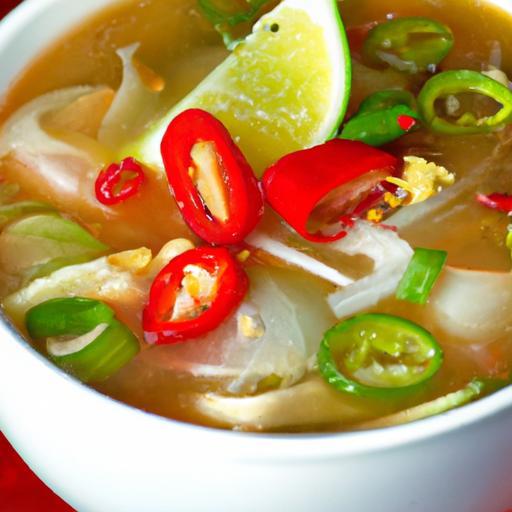
- Spice versatility: Adjust heat by varying the amount of white pepper and chili sauce, or add freshly chopped fresh chilies for a sharper cinnamon-like bite.
- Consistency tuning: For a thicker soup,whisk 1 tbsp cornstarch with 2 tbsp cold water and stir into the simmering broth before adding eggs.
- Make-ahead instructions: Prepare the broth and vegetable base ahead; add tofu and eggs just before serving for peak freshness.
Serving Suggestions
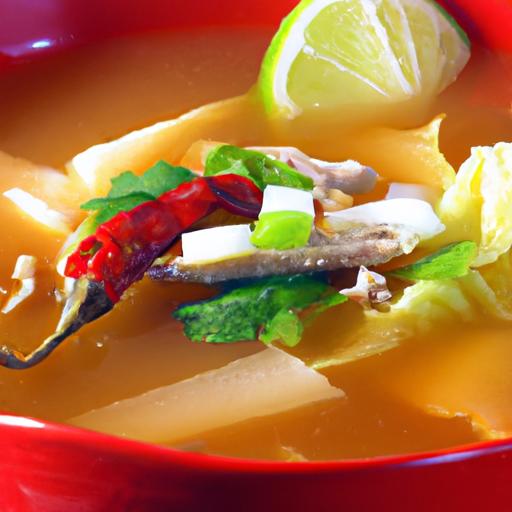
Serve steaming hot in rustic bowls that highlight its dark,inviting broth contrasted with delicate egg ribbons and vibrant green herbs. Pair with fragrant jasmine rice or delicate steamed dumplings for a complete and comforting Asian meal experience. A side of pickled vegetables or a chilled cucumber salad can add a fresh counterpoint enhancing the soup’s tangy-spicy profile.

| Nutrient | Per Serving |
|---|---|
| Calories | 180 kcal |
| Protein | 12 g |
| Carbohydrates | 15 g |
| Fat | 6 g |
Explore more Asian soups and noodle recipes in our Asian Soups Collection or learn about vinegar’s role in cooking from this Serious Eats article.
Q&A
Q&A: Savoring Hot and Sour soup – A Tangy, Spicy Delight Explored
Q1: What exactly is hot and sour soup?
A: Hot and sour soup is a classic Chinese soup celebrated for its vibrant balance of spicy heat and tangy sourness. Typically, it combines ingredients like tofu, mushrooms, bamboo shoots, and sometiems pork or chicken, all simmered in a flavorful broth infused with vinegar for tang and white pepper or chili for heat. The result is a savory, warming bowl that dances on your palate with zest and complexity.
Q2: Where did hot and sour soup originate?
A: This soup has deep roots in Chinese culinary tradition, especially from Sichuan and Hunan provinces known for bold flavors. Over centuries, it evolved from humble street food to a staple in Chinese restaurants worldwide, adapting slightly to regional tastes but always maintaining its trademark spicy and sour character.
Q3: What makes hot and sour soup so unique compared to other soups?
A: Unlike many soups that lean heavily on either broth richness or mild seasoning, hot and sour soup thrives on contrast. The exciting interplay between the fiery spice and the sharp tang of vinegar keeps your taste buds intrigued. Additionally, the textural variety-from silky tofu to crunchy bamboo shoots-adds a delightful mouthfeel rarely matched by other soups.
Q4: Can hot and sour soup be made vegetarian or vegan?
A: Absolutely! While traditional recipes often include pork or chicken, the heart of the soup lies in the balance of flavors and textures. Substituting animal proteins with mushrooms, tofu, or tempeh still delivers the rich umami base. Using vegetable broth and ensuring the seasonings are plant-based makes it fully vegetarian or vegan-amiable without losing its character.
Q5: How do vinegar and spices influence the flavor profile?
A: Vinegar is the soul of the soup’s sourness,lending brightness and cut through the richness of the broth. The choice of vinegar-often black vinegar or rice vinegar-can subtly shift the acidity level and fragrance. Spices like white pepper or chili not only add heat but contribute a layered warmth that complements the vinegar’s sharpness, creating a harmonious yet thrilling flavor explosion.
Q6: What’s the best way to enjoy hot and sour soup?
A: Best served hot, this soup is ideal as an appetizer to awaken your appetite or as a comforting main on a chilly day. Pair it with steamed rice or dumplings to balance the intensity. Sip it slowly to appreciate the gradual unfolding of flavors, and don’t shy away from adjusting the spice or sourness to your liking at home.Q7: Are there any health benefits associated with hot and sour soup?
A: Indeed, the soup frequently enough features nutritious ingredients like mushrooms and tofu, packed with vitamins and protein. Its hot spice component can stimulate metabolism and boost circulation, while the vinegar may aid digestion.Plus, steaming it ensures a light, low-calorie meal that warms the body and soothes the soul.Q8: Any tips for perfecting homemade hot and sour soup?
A: Start with a good-quality broth as your canvas. Balance is key – add vinegar gradually to avoid overpowering the dish. Use fresh ingredients for crisp textures, and don’t forget the corn starch slurry to give the soup that signature silky, slightly thickened texture. Taste and tweak the heat and tang throughout cooking, and finish with a sprinkle of chopped scallions or a dash of sesame oil for added aroma.
Hot and sour soup is more than just a dish – it’s an experience, a harmony of fiery and piquant notes that delights the senses. Whether savored in a bustling restaurant or crafted lovingly in your own kitchen, it invites you to explore the beautiful dance of flavors that define Chinese culinary artistry.
In conclusion
as we’ve uncovered, hot and sour soup is much more than just a comforting bowl of warmth-it’s a harmonious dance of flavors that awakens the palate with every spoonful. from its tangy zing to its fiery kick, this beloved dish embodies a culinary tradition that balances complexity and simplicity in perfect measure. whether enjoyed in a bustling restaurant or crafted lovingly at home, savoring hot and sour soup is an invitation to experience a vibrant tapestry of taste-and a reminder that sometimes, the most memorable delights come from the boldest combinations. So next time the craving strikes, dive in and let this tangy, spicy wonder tell its flavorful story.