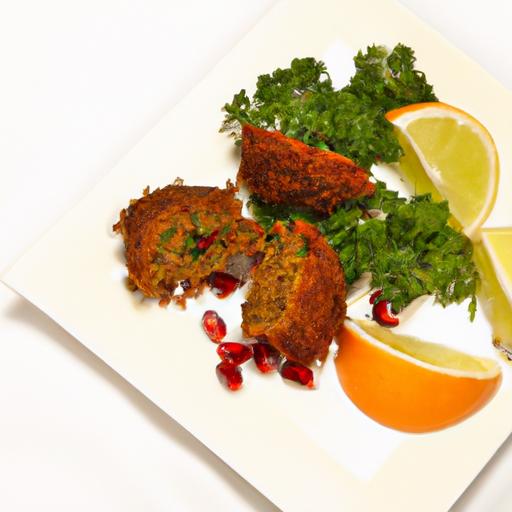

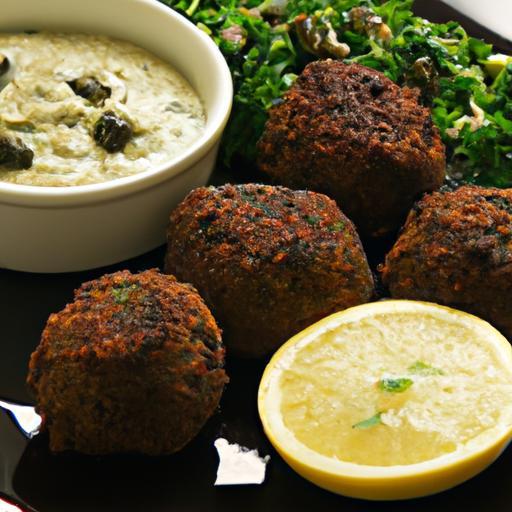
In the tapestry of Middle Eastern cuisine,few dishes capture the region’s rich history and vibrant flavors quite like kibbeh.Often hailed as the heart of Levantine cooking, this humble yet intricate dish tells a story of tradition, communal gatherings, and culinary artistry passed down through generations. From its perfectly seasoned bulgur shell to the savory meat filling that lies within,kibbeh is much more than a meal-it’s a party of culture,craftsmanship,and connection. Join us as we unveil the layers of kibbeh, exploring its origins, variations, and enduring place at the center of Middle Eastern tables worldwide.
Mastering the Art of Kibbeh planning
Kibbeh Unveiled: exploring the Heart of Middle Eastern Cuisine brings you into the soulful world of this iconic dish, a symbol of hospitality, tradition, and culinary finesse. Born from the Levantine region, kibbeh has been lovingly crafted over centuries, combining the nutty aroma of cracked wheat with the rich, spiced flavors of minced meat-an edible tapestry woven with history and culture. Preparing kibbeh is not just about flavor; it’s an immersive experience that connects you to generations of cooks who turned humble ingredients into celebratory feasts.
Prep and Cook Time
- Preparation: 45 minutes
- Cooking: 25 minutes
- Total Time: 1 hour 10 minutes
Yield
Serves 6-8 hungry guests
Difficulty Level
Medium: Requires patience and attention to texture, perfect for confident home cooks eager to embrace authentic Middle Eastern flavors.
Ingredients
- 2 cups fine bulgur wheat, rinsed and soaked in cold water for 30 minutes
- 1 lb (450g) lean ground beef or lamb, divided
- 1 medium onion, finely chopped
- 1/2 cup pine nuts, toasted
- 1 teaspoon ground allspice
- 1 teaspoon ground cinnamon
- 1/2 teaspoon ground black pepper
- Salt to taste
- 2 tablespoons olive oil, plus more for frying
- 1/4 cup fresh parsley, finely chopped
- 1/4 teaspoon ground nutmeg (optional)
- Cold water as needed to bind the shell
Instructions
- Drain and grind: After soaking, squeeze out excess water from the bulgur using a clean kitchen towel. In a food processor, pulse the bulgur with half of the ground meat until it reaches a dough-like consistency. This forms the kibbeh shell, the signature smooth yet firm texture you’ll want to master.
- Prepare the filling: Heat 2 tablespoons of olive oil in a skillet over medium heat. Sauté the chopped onion until translucent, about 5 minutes. Add the remaining ground meat, pine nuts, allspice, cinnamon, nutmeg, salt, and pepper.Cook until browned, about 8 minutes. Stir in fresh parsley, then set aside to cool.
- Form the kibbeh shells: With damp hands, take a golf ball-sized portion of the bulgur-meat mixture. shape it into an oval, then hollow the center with your finger to create a thin shell wall (about 1/4 inch). Be gentle but firm.
- Fill and seal: Spoon 2 teaspoons of the meat and pine nut filling inside the hollow. Pinch the edges to seal and smooth the surface, ensuring no cracks remain.
- Cook: Heat olive oil in a deep pan over medium-high heat. Fry the kibbeh in batches, turning occasionally, until crisp and golden brown, approximately 3-4 minutes per side. Alternatively, bake at 375°F (190°C) for 25 minutes, turning once, for a lighter option.
- Drain and serve: Remove fried kibbeh with a slotted spoon and drain on paper towels. Serve warm, garnished with fresh herbs or a squeeze of lemon.
Tips for Success
- Texture is key: The bulgur and meat mixture must be smooth and cohesive to hold shape during cooking. If it feels dry, add a tablespoon of cold water gradually.
- Toast pine nuts lightly: This intensifies their nutty flavor and adds crunch to the filling.
- Make ahead: Prepare kibbeh shells and filling up to a day in advance. Store separately in airtight containers in the fridge; assemble and cook just before serving.
- Substitutions: For a lighter twist,use ground turkey or chicken with the same bulgur base. Adding a pinch of smoked paprika can deepen the flavor profile as well.
Serving Suggestions
Traditionally, kibbeh pairs beautifully with refreshing yogurts and pickled vegetables. Serve atop a bed of crisp romaine or radicchio, ornamented with sumac and freshly chopped mint for a vibrant contrast. Accompany with warm pita and a drizzle of pomegranate molasses for a sweet-tangy counterpoint. A side of tabbouleh or fattoush salad elevates the plate while honoring regional flavor harmony.
| Nutrient | Per Serving (approx.) |
|---|---|
| Calories | 320 kcal |
| Protein | 22 g |
| Carbohydrates | 20 g |
| Fat | 16 g |

for an inspiring deep dive into traditional Middle Eastern dishes, explore our Middle Eastern Cuisine Classics article. To learn more about the cultural heritage behind kibbeh and related Levantine foods, visit the Encyclopedia Britannica on Kibbeh.
Q&A
Q&A: Kibbeh Unveiled – Exploring the Heart of Middle Eastern Cuisine
Q1: What exactly is kibbeh, and why is it considered a cornerstone of middle Eastern cuisine?
A1: Kibbeh is a culinary masterpiece that combines ground meat-frequently enough lamb or beef-with bulgur wheat, onions, and a symphony of spices. It’s more than just a dish; it’s a cultural emblem that traces back centuries, embodying the traditions, hospitality, and agricultural heritage of the Middle East.Often described as the “heart” of Middle Eastern cuisine, kibbeh unites families and friends around the table, offering both nourishment and a narrative.
Q2: How does kibbeh vary across different Middle Eastern countries?
A2: While the core concept of kibbeh remains consistent-meat and bulgur fused with fragrant spices-the dish dons many regional costumes. In Lebanon and Syria, kibbeh is frequently enough shaped into torpedoes, fried to golden perfection, or layered in a casserole known as “kibbeh bil sanieh.” In Iraq, you might find grilled kibbeh skewers called “kebab.” Simultaneously occurring, Palestinian versions may feature stuffed kibbeh balls, filled with pine nuts and meat. Each variation tells a story of local ingredients, traditions, and tastes.
Q3: What makes kibbeh so special compared to other meat dishes?
A3: Kibbeh stands apart because of its unique texture and balance. The bulgur gives it a subtle nuttiness and a delightful chewiness that complements the tender, spiced meat. Unlike straightforward meat dishes, kibbeh’s intricate preparation-mixing, shaping, stuffing, and cooking-transforms simple ingredients into an art form. It captures the essence of Middle Eastern hospitality, patience, and culinary craftsmanship.
Q4: Can kibbeh be considered a versatile dish?
A4: Absolutely! Kibbeh prides itself on versatility. It can be served raw (kibbeh nayeh), fried, baked, or even grilled. It adapts well to vegetarian twists using ingredients like pumpkin or eggplant. Moreover, it can appear as an appetizer, main course, or even a snack, making it a beloved presence throughout the day. This adaptability is a large part of its enduring appeal.Q5: How can someone new to Middle Eastern cuisine start exploring kibbeh at home?
A5: For beginners, trying a baked kibbeh casserole (“kibbeh bil sanieh”) is a gentle introduction-it’s forgiving and comforting. Use quality ground meat, fine bulgur, and fresh spices like allspice, cinnamon, and nutmeg. Watching video tutorials or joining a cooking class can demystify the shaping process. And don’t rush-the magic of kibbeh lies in patience and love infused into each step.
Q6: Why is kibbeh considered more than just food in Middle Eastern culture?
A6: In the Middle East, food is deeply intertwined with identity, family, and storytelling.Kibbeh is often prepared during festivals, weddings, and large gatherings, symbolizing communal strength and heritage. The time-intensive process of making kibbeh traditionally involves multiple family members, fostering connection and passing down ancestral knowledge. So, kibbeh is not just sustenance-it’s a vessel of memory and belonging.
Q7: What spices and flavors define the taste of Kibbeh?
A7: The soul of kibbeh is captured by a fragrant blend of spices: warm allspice, aromatic cinnamon, earthy cumin, and sometimes a whisper of nutmeg. Fresh herbs like mint and parsley brighten the mix, while pine nuts add luxurious texture in some versions. This symphony of flavors creates a harmonious balance-earthy, spiced, and fresh-that dances on the palate.
Q8: How does kibbeh reflect the agricultural landscape of the Middle East?
A8: Kibbeh is a reflection of the land itself-a marriage between the raise of livestock and grain cultivation. Bulgur wheat, a staple grain, and lamb or beef meat represent the pastoral and agricultural traditions that have sustained communities for millennia. The dish’s ingredients spotlight the harmony between earth and animal husbandry, showcasing how regional resources influence culinary innovation.
Kibbeh is more than a dish-it’s a journey into the heart of Middle Eastern culture, a blend of history, flavor, and friendship. Weather you savor it raw, fried, or baked, each bite connects you to a rich tapestry of stories and tastes that have thrived for centuries.
In Summary
as we close the chapter on our culinary journey through kibbeh, it becomes clear that this humble dish is far more than a blend of bulgur and meat-it is a vibrant thread woven into the rich tapestry of Middle Eastern heritage. Each bite tells a story of tradition, community, and the timeless art of hospitality passed down through generations.Whether nested in a crispy shell or simmered gently in aromatic broth, kibbeh invites us to savor the depth and diversity of a culture that cherishes flavor and connection alike. In exploring kibbeh, we don’t just taste a dish-we uncover the heart of a region’s soul, reminding us that food is truly a powerful language of identity and togetherness.