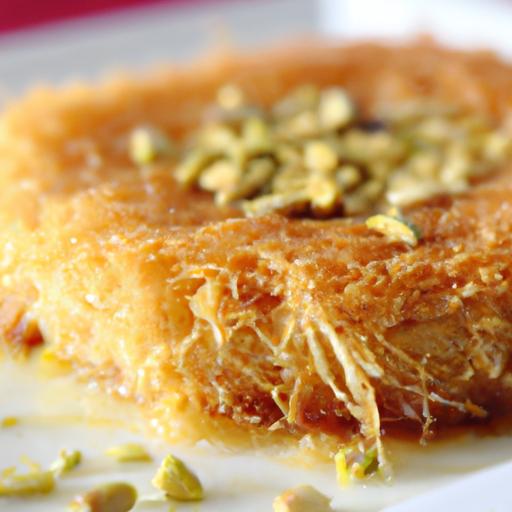

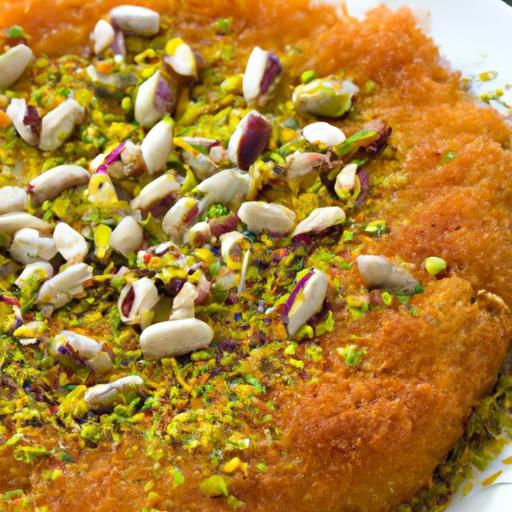
Beneath the golden, crisp threads of shredded phyllo and the gleaming drizzle of fragrant syrup lies a dessert that has captivated hearts and palates for centuries-knafeh. This Middle Eastern treasure, a symphony of textures and flavors, weaves together rich cheese, delicate pastry, and aromatic spices into a captivating indulgence that transcends borders. “Knafeh Unveiled: the Sweet Treasure of Middle Eastern Delight” invites you to embark on a journey through history, culture, and culinary artistry, revealing the story behind this beloved confection and why it continues to sparkle at tables from Aleppo to Amman. Whether you’re a seasoned food lover or a curious newcomer, prepare to discover the magic that makes knafeh an unforgettable slice of Middle Eastern heritage.
Knafeh, a beloved Middle eastern delicacy, brings together centuries of culinary tradition wrapped in a golden, crisp embrace that delights both the eyes and palate. This sweet treasure holds a special place in Middle Eastern heritage, not only as a festive dessert but as a symbol of communal festivity, sharing, and warmth. From the bustling souks of Jerusalem to the fragrant kitchens of Lebanon and Turkey, knafeh’s delicate texture and vibrant flavor profile tell a story of artisan craftsmanship and regional pride.
Prep and Cook Time
- Preparation: 20 minutes
- Cooking: 25 minutes
- Total Time: 45 minutes
Yield
- Serves 6-8 people
Difficulty Level
- Medium – requires attention to layering and timing for perfect texture
Essential Ingredients for Authentic knafeh
- 500g kataifi (shredded phyllo dough),
- 250g unsalted butter,
- 400g fresh white cheese,
- 1 cup sugar,
- 1 cup water,
- 1 tbsp lemon juice,
- 1 tbsp rose water or orange blossom water,
- 1/2 cup finely chopped pistachios,
Instructions: Mastering the Art of Texture and Flavor
- Prepare the syrup: In a saucepan, combine 1 cup sugar, 1 cup water, and 1 tbsp lemon juice. Bring to a gentle boil over medium heat,stirring until sugar dissolves. Simmer for 8-10 minutes until slightly thickened. Remove from heat and stir in rose water or orange blossom water if using. Set aside to cool.
- Prepare the cheese: Rinse the fresh cheese under cold water to reduce saltiness. Soak if needed to soften for 1 hour, then drain and pat dry. Crumble or shred the cheese finely.
- Prepare the kataifi dough: Gently loosen the kataifi strands with your fingers. Pour the melted butter evenly over the kataifi and mix carefully to coat the strands without breaking them excessively. This buttered kataifi will give that coveted golden crispness.
- Layer the knafeh: Preheat your oven to 180°C (350°F).In a well-greased 9-inch round baking dish, spread half of the buttered kataifi evenly, pressing gently to create a compact base layer.
- Add the cheese layer: Evenly distribute the crumbled cheese over the kataifi base, ensuring an even layer for consistent flavor.
- Top layer: Cover the cheese with the remaining kataifi mixture, pressing down lightly to compact.
- Bake: Place the dish in the preheated oven and bake for 25-30 minutes, or until the top is deeply golden and crispy. Keep an eye to avoid burning.
- Finishing touches: Once out of the oven, instantly pour the cooled syrup evenly over the hot knafeh, allowing it to soak into the layers but not drown the crisp crust.
- Garnish and serve: Sprinkle the top with finely chopped pistachios for a vibrant contrast and subtle crunch. Serve warm for the best melting cheese experience.
Tips for Success: Elevate Your Knafeh Journey
- Cheese choice is crucial: If fresh white cheese is unavailable,substitute with a mix of mozzarella and ricotta for creaminess and mild flavor.
- Butter quality matters: Use unsalted high-fat butter for a richer, flakier crust.
- Don’t rush the syrup: Proper simmering and cooling allow flavors to intensify, avoiding a watery final dish.
- optimal syrup pouring: Always pour syrup while the knafeh is hot, and the syrup is cool to balance crispness and moistness.
- Make ahead tip: Prepare kataifi and cheese layers up to 8 hours before baking; keep covered and refrigerated.
Serving Suggestions: How to Indulge in This Sweet Treasure
Present knafeh on a decorative platter, accompanied by a side of fresh mint leaves or rose petals to enhance its fragrant essence. pair with a cup of strong Arabic coffee or lightly brewed mint tea to balance the sweetness. For an extra luxurious touch, drizzle a thin thread of honey or extra rose syrup at the table. This dessert shines best when enjoyed fresh and warm, allowing the contrast of creamy cheese and crispy pastry to mesmerize your senses.

| Nutrient | Per Serving |
|---|---|
| Calories | 320 |
| Protein | 10g |
| Carbohydrates | 35g |
| Fat | 15g |
For a deeper dive into the evolution of Middle Eastern sweets, check our related article. To explore authentic sourced ingredients, visit Encyclopedia britannica’s knafeh entry.
Q&A
Q&A: Knafeh Unveiled - The Sweet Treasure of Middle Eastern Delight
Q1: What exactly is Knafeh?
A1: Knafeh is a luscious Middle Eastern dessert that marries crunchy, buttery shredded pastry with a creamy, sweet cheese filling, all drenched in fragrant rose or orange blossom syrup. It’s a divine symphony of textures and flavors that has captivated taste buds for centuries.
Q2: Where does Knafeh originate from?
A2: The roots of Knafeh trace back to the Levant region-encompassing modern-day Palestine, Lebanon, Syria, and Jordan. Each corner of the Middle East adds its own twist, but the heart of Knafeh pulses with the rich cultural traditions of these ancient lands.
Q3: What ingredients make knafeh so special?
A3: At its core, Knafeh relies on three magic ingredients: kataifi (the delicate shredded phyllo dough), sweet cheese (often Nabulsi or akkawi), and a fragrant syrup infused with rose or orange blossom water. These simple elements come together to create something much greater than the sum of their parts.Q4: How is Knafeh traditionally prepared?
A4: The process is an art. First, the kataifi is lightly toasted in butter until golden and crispy. Then it’s layered with luscious melted cheese, baked briefly to meld the flavors, and finally drenched in syrup while still hot. Sometimes, it’s crowned with crushed pistachios, adding a final flourish of color and crunch.
Q5: What occasions call for Knafeh?
A5: Knafeh is a celebratory dessert, often gracing tables during Ramadan, Eid, weddings, and family gatherings. Its irresistible sweetness makes it the star finale, symbolizing joy, warmth, and the sharing of love.
Q6: Why is Knafeh more than just a dessert?
A6: Beyond its decadent taste, Knafeh is a cultural treasure. It’s a bridge between generations, a symbol of hospitality, and a sweet testament to Middle Eastern heritage. Every bite tells a story-of history, community, and the art of savoring life’s sweetest moments.
Q7: Can I make Knafeh at home?
A7: Absolutely! While it’s a labor of love, home cooks can recreate Knafeh’s magic with a bit of patience and the right ingredients. Kataifi dough is frequently enough available in Middle Eastern or specialty grocery stores, and many recipes guide you through the enchanting change from raw strands to golden delight.
Q8: How has Knafeh evolved in modern cuisine?
A8: Contemporary chefs have embraced Knafeh’s versatility, experimenting with fillings like cream, Nutella, or even savory versions. Fusion twists abound, yet the essence remains-a luscious, syrup-soaked treasure that honors tradition while inviting innovation.
Q9: What’s the best way to enjoy Knafeh?
A9: Serve it warm, immediately after baking, so the cheese is gooey and the pastry crisp. Pair it with a strong cup of Arabic coffee or a fragrant mint tea, and let the magical combination transport you to sun-kissed bazaars and bustling Middle Eastern kitchens.
Unlock the secrets behind this enchanting dessert, and let Knafeh add a touch of golden sweetness to your culinary adventures!
In Retrospect
As the golden strands of knafeh weave their rich tapestry of flavor and history, they invite us not only to indulge our sweet tooth but to savor a story centuries in the making. More than just a dessert, knafeh is a symbol of tradition, craftsmanship, and the vibrant cultures of the Middle East. Whether enjoyed warm and gooey or crisp and fragrant,each bite offers a heartfelt connection to a culinary legacy that continues to enchant taste buds around the world. In unveiling knafeh’s layers, we discover not just a treat, but a timeless treasure-one that reminds us that some sweets are much more than they seem.