
Bursting with fiery heat and a symphony of flavors, Kung Pao Chicken has long held its place as a beloved staple in Chinese cuisine. But beneath its bold, spicy exterior lies a story that intertwines tradition with innovation. In “Kung Pao Chicken Unveiled: Spicy Tradition Meets Flavorful Twist,” we dive into the rich history and cultural roots of this iconic dish, while exploring the creative adaptations that continue to reshape its taste and presence on tables around the world. Join us as we unravel the secrets behind its signature kick and discover how a classic recipe is being reimagined for a new generation of food lovers.
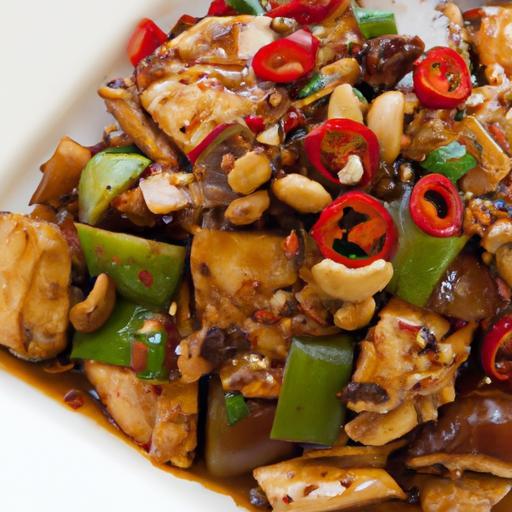
Kung Pao Chicken carries the rich heritage of Sichuan cuisine, a fiery and flavorful emblem of Chinese culinary artistry. Originating from the Qing Dynasty and named after Ding Baozhen, a respected governor known as “Kung Pao,” this dish perfectly marries heat and sweetness in a harmonious dance on the palate. The bold chili peppers, crunchy peanuts, and savory soy sauce come together in a medley that tells a story far beyond mere ingredients. In my kitchen, recreating this iconic recipe has always been a journey filled with vibrant colors, intoxicating aromas, and the joy of balancing contrasting flavors until the very last bite.
Prep and Cook Time
- Preparation: 15 minutes
- Cooking: 15 minutes
- Total Time: 30 minutes
Yield
Serves 4 people generously
Difficulty Level
Medium – perfect for home cooks ready to elevate their wok skills
Ingredients
- 1 lb boneless, skinless chicken thighs, cut into 1-inch cubes
- 3 tbsp vegetable oil
- 8-10 dried red chilies, halved and seeds optional
- 3 cloves garlic, minced
- 1 tbsp fresh ginger, minced
- 1/2 cup unsalted roasted peanuts
- 3 stalks scallions, sliced (separate whites and greens)
- 2 tsp Sichuan peppercorns, toasted and ground (optional but recommended)
- 2 tbsp soy sauce
- 1 tbsp dark soy sauce
- 1 tbsp Chinese black vinegar
- 1 tbsp Shaoxing wine
- 1 tbsp hoisin sauce
- 1 tbsp sugar
- 1 tsp cornstarch, mixed with 2 tbsp water (slurry)
- 1/4 cup chicken stock or water
Instructions
- Marinate the chicken: Combine the chicken cubes with 1 tablespoon soy sauce and 1 teaspoon cornstarch. Set aside for 10 minutes. This tenderizes the meat and creates a silky texture.
- Heat the wok: On high heat, warm 2 tablespoons vegetable oil until shimmering but not smoking. Add the dried chilies and Sichuan peppercorns; stir-fry briefly until fragrant (about 30 seconds). Be careful not to burn the spices.
- Sear the chicken: Increase to high heat and add the marinated chicken. Stir-fry until the outside is golden and cooked through, roughly 5-6 minutes. Remove and set aside.
- Prepare the aromatics: In the same wok, add remaining vegetable oil. Toss in garlic, ginger, and the white parts of the scallions. Sauté until softened and aromatic, about 1-2 minutes.
- Create the sauce: Pour in soy sauces, black vinegar, Shaoxing wine, hoisin sauce, and sugar. Stir to blend all flavors, then add the chicken stock.
- Combine and thicken: Return the chicken to the wok. Stir well to coat everything in the sauce.Add the cornstarch slurry to thicken the mixture, stirring constantly until glossy and velvety.
- finish & garnish: Toss in the roasted peanuts and green parts of the scallions. Give a final fast stir and remove from heat.
- Serve promptly: Plate instantly over steamed jasmine rice to soak every drop of the luscious sauce.
Tips for Success
- Balance the heat: Adjust dried chilies and Sichuan peppercorns to control the spiciness. Removing seeds reduces the fire.
- Peanut perfection: Use freshly roasted, unsalted peanuts for crunchier texture and deeper flavor.
- Wok seasoning: A well-seasoned wok is key to authentic char and flavor. If you don’t have a wok, a cast iron skillet works well too.
- make ahead: Prep marinade and sauce ingredients in advance to speed cooking. The chicken is best freshly cooked for maximum tenderness.
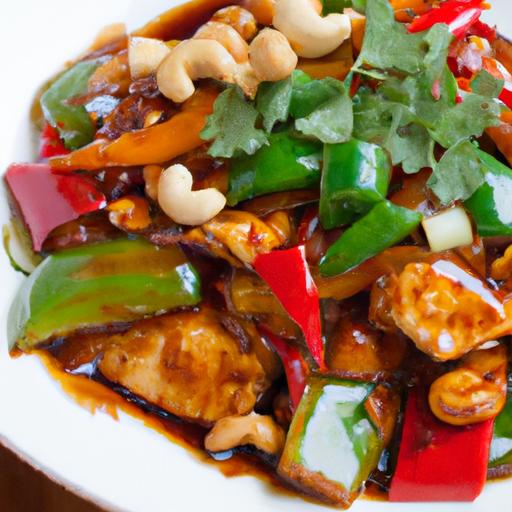
- Innovate with ingredients: Add diced bell peppers or water chestnuts for extra texture and color without overpowering the classical essence.
Serving Suggestions
This dish shines when served piping hot alongside steamed jasmine or brown rice, allowing the rich sauce and vibrant flavors to meld beautifully. Garnish with additional toasted peanuts and finely chopped scallion greens to enhance crunch and freshness. Pair it with a light, cooling cucumber salad or stir-fried greens like bok choy for balance.

| Nutritional Info Per Serving |
Calories | Protein | carbs | Fat |
|---|---|---|---|---|
| Kung Pao Chicken | 390 kcal | 33 g | 12 g | 22 g |
For those interested in exploring more Sichuan classics, check out our detailed guide on Mapo Tofu Authentic Recipe, where heat and umami meld in perfect harmony. You can also dive deeper into Sichuan peppercorns and their unique numbing sensation on Serious Eats.
Q&A
Q&A: Kung Pao Chicken Unveiled: Spicy Tradition Meets Flavorful Twist
Q1: What makes Kung Pao Chicken such an iconic dish in Chinese cuisine?
A1: kung Pao Chicken is a symphony of textures and flavors-tender chicken cubes, crunchy peanuts, and fiery dried chilies-all harmonizing in a savory, slightly sweet sauce. Originating from Sichuan province, its bold, spicy kick combined with a hint of numbing Sichuan peppercorns encapsulates the region’s culinary essence, making it a beloved staple worldwide.
Q2: How did Kung Pao Chicken get its name?
A2: The dish is named after Ding Baozhen, a Qing Dynasty official whose title was “Gongbao” (宮保), meaning “Palace Guardian.” legend has it that this delectable recipe was either created for or favored by him, immortalizing his title in the dish’s name-kung Pao Chicken-melding history and flavor in one delicious legacy.
Q3: What customary ingredients define an authentic Kung Pao Chicken?
A3: Authentic Kung Pao chicken shines with a careful balance of diced chicken (traditionally thigh meat), dried red chilies, roasted peanuts, scallions, and the distinctive flavor of Sichuan peppercorns. The sauce typically blends soy sauce, black vinegar, sugar, and Shaoxing wine to achieve that perfect sweet-sour-umami profile, finished with a hint of garlic and ginger.
Q4: How has Kung Pao Chicken evolved with modern twists?
A4: While the classic dish stays close to its roots, modern chefs experiment with ingredients like cashews replacing peanuts, chicken swapped out for tofu or shrimp, or adding vegetables like bell peppers and mushrooms. some play with spice levels or introduce new sauces (like hoisin or chili garlic) for a personalized kick, proving that even tradition can be deliciously flexible.
Q5: What’s the secret to achieving the perfect balance of heat and flavor in Kung Pao Chicken?
A5: The magic lies in striking equilibrium-too many dried chilies overpower, while too few lose the signature heat. Toasting the Sichuan peppercorns and chilies before cooking releases aromatic oils that enliven the dish. Additionally, the interplay of sweetness, acidity, and savoriness in the sauce layers flavors, ensuring the spice dances rather than dominates on your palate.
Q6: Can Kung Pao Chicken be enjoyed by those who aren’t fans of spicy food?
A6: Absolutely! Adjusting the number of chilies or removing the Sichuan peppercorns can tame the heat without sacrificing the umami essence. Alternatively,substituting mild peppers or adding a touch of honey can mellow the spice,making Kung pao Chicken approachable for spice-sensitive diners while retaining its flavorful identity.
Q7: Why is kung Pao Chicken considered a dish that embodies both tradition and innovation?
A7: It’s a culinary bridge connecting centuries-old Sichuan traditions with the creative spirit of modern cooking. The dish’s core-its signature spicy, sweet, and nutty flavor profile-remains intact, yet its pliability invites reinterpretation. From street vendors to gourmet kitchens, Kung Pao Chicken continues to inspire chefs and food lovers alike, proving that great food can honour the past while embracing new ideas.
Q8: How can home cooks replicate the authentic taste of Kung Pao Chicken?
A8: Start with quality ingredients and precise technique: marinate the chicken for tenderness, toast the Sichuan peppercorns and dried chilies for depth, and prepare a balanced sauce ahead of time. Stir-frying quickly over high heat preserves texture and flavor. And don’t forget the peanuts-added last for that essential crunch. With patience and attention to detail, your kitchen can conjure the fiery soul of Sichuan’s beloved classic.
In Conclusion
As the sizzling symphony of Kung Pao Chicken continues to captivate taste buds worldwide, its story reminds us that tradition and innovation can dance harmoniously on the plate. From fiery Sichuan kitchens to creative modern twists, this beloved dish embodies more than just a meal-it’s a flavorful journey through history, culture, and culinary artistry. So next time you savor those bold, spicy bites, take a moment to appreciate the rich heritage and inventive spirit that make Kung Pao Chicken an enduring icon of flavor. Whether classic or reinvented, its spicy tradition will always invite you to experience a delicious story worth tasting again and again.