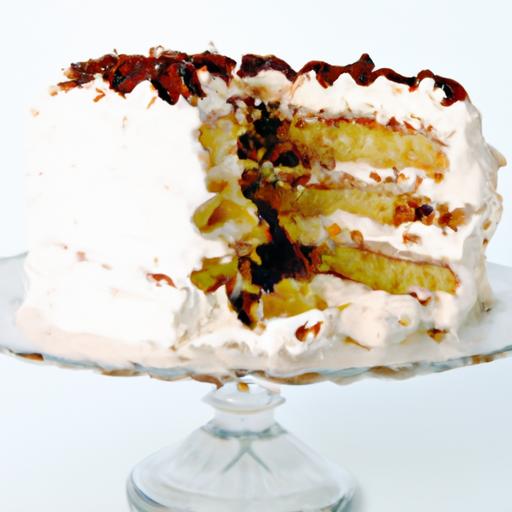

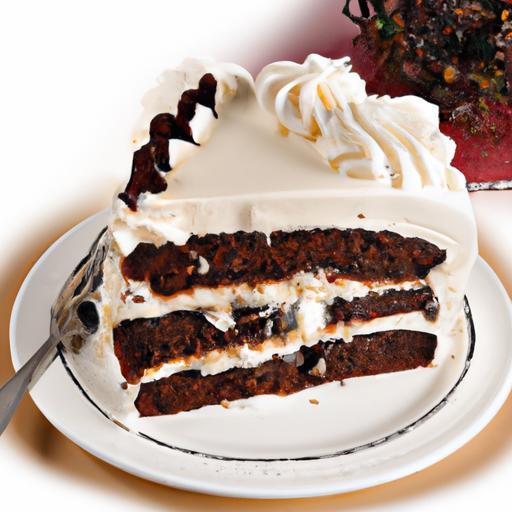
Beneath its seemingly simple façade, the classic layer cake is a masterpiece of culinary artistry and rich historical tradition. Each carefully stacked tier tells a story-not just of flour, sugar, and butter, but of cultural rituals, evolving tastes, and the timeless celebration of sweetness. From its humble beginnings in ancient feasts to its crowned status at birthdays and weddings worldwide, the layer cake invites us to slice through the layers of time and technique. In this article, we embark on a delicious journey to unveil the art and history behind the beloved classic layer cake, discovering how this iconic dessert rose to become a symbol of joyous occasions and creative expression.
Mastering the Texture and Flavors that Define Tradition
The classic layer cake is a timeless celebration of flavor and craftsmanship that has delighted palates across generations. Unveiling the art and history of the classic layer cake reveals how this iconic dessert has evolved from simple beginnings into a show-stopping centerpiece. It’s a canvas that invites creativity while honoring traditions-rich,moist cake layers harmonizing perfectly with luscious frostings,delivering that unmistakable balance of texture and taste that defines the cake’s enduring appeal.
Prep and Cook Time
- Preparation: 20 minutes
- Cooking: 30-35 minutes
- Cooling & Assembly: 45 minutes
Yield
Serves 12 generous slices
Difficulty Level
Medium – ideal for bakers ready to refine their technique and creativity
Ingredients
- 2 ½ cups all-purpose flour, sifted
- 2 ½ teaspoons baking powder
- ½ teaspoon salt
- 1 cup unsalted butter, softened
- 1 ¾ cups granulated sugar
- 4 large eggs, room temperature
- 1 tablespoon pure vanilla extract
- 1 cup whole milk, warm
- 1 teaspoon apple cider vinegar (optional for extra tenderness)
- Buttercream Frosting: 1 cup unsalted butter, softened; 4 cups powdered sugar, sifted; 2 teaspoons vanilla extract; 2-3 tablespoons heavy cream
Instructions
- Preheat your oven to 350°F (175°C). Grease and flour three 8-inch round cake pans, than line with parchment circles for a flawless release.
- Whisk together the all-purpose flour, baking powder, and salt. Set aside.
- Cream the butter and sugar in a large bowl using a hand mixer or stand mixer on medium speed until light, fluffy, and pale-about 4-5 minutes. This aeration is crucial for tender crumb texture.
- Add eggs one at a time, beating well after each addition. Mix in the vanilla extract.
- Alternate folding the dry ingredients and warm milk into the wet mixture in three parts-beginning and ending with flour-to keep the batter smooth and well-incorporated without overmixing.
- Divide the batter evenly among the prepared pans, smoothing the tops with an offset spatula for an even rise.
- Bake for 30-35 minutes or until a toothpick inserted into the center comes out clean.Avoid opening the oven door prematurely to prevent sinking.
- Cool the cakes in pans for 10 minutes, then invert onto cooling racks. Let them cool completely before frosting.
- Prepare the buttercream: Beat softened butter on medium speed until creamy. Gradually add powdered sugar, alternating with heavy cream, and whisk until smooth and fluffy. Stir in vanilla.
- Layer and frost: Place the first cake layer on your serving plate. Spread an even layer of buttercream, then top with the next cake layer. Repeat and finish with a smooth coat of frosting all around.
- Chill for 20 minutes for easier decorating, then adorn as desired.
Tips for Success
- Temperature matters: Use room-temperature eggs and butter to ensure smooth batter and even rising.
- Precise measurement: Sift your flour and measure accurately for consistent results every time.
- Pan prep: Lining pans with parchment guarantees perfect rounds that don’t stick or crack.
- Flavor depth: For nuanced layers, consider adding finely grated lemon zest or a hint of almond extract.
- Make ahead: You can bake layers a day in advance; wrap tightly in plastic wrap and keep refrigerated. Bring to room temperature before frosting.
- Buttercream tips: If your frosting is too soft,chill it briefly; if too stiff,whip in a teaspoon of milk or cream for ease of spreading.
serving Suggestions
present slices on elegant cake plates, topped with a fresh berry garnish or edible flower petals for a vibrant contrast against the smooth buttercream. A dusting of powdered sugar or a drizzle of homemade fruit coulis adds freshness and sophistication. Pair with a cup of freshly brewed coffee or tea to elevate the experience.

Unveiling the Art of the classic Layer Cake: Essential Tools and Techniques for Perfect Layering
Crafting the perfect classic layer cake requires not only the right ingredients but also precise tools and techniques. Use an offset spatula for smooth frosting application, a cake leveler or serrated knife to trim dome-shaped tops, and a turntable to easily rotate your cake while frosting.When stacking, support your layers with wooden dowels or straws if making a tall cake to avoid sliding or collapse.
| Nutritional Data (Per Slice) | Calories | Protein | Carbs | Fat |
|---|---|---|---|---|
| classic Vanilla Layer Cake | 420 kcal | 5 g | 55 g | 18 g |
For a deeper dive into baking techniques and flavor profiles, explore our Ultimate Guide to Buttercream Frosting, or learn more about traditional cakes from the Historic foodways Museum.
Creative Twists to Elevate Your Classic Layer Cake Experience
Once you’ve mastered the foundational recipe, it’s time to experiment. Infuse your batter with espresso powder for a mocha punch, or swirl in berries for a surprise burst of tartness. Substitute classic vanilla buttercream with zesty lemon or rich cream cheese frosting for contrast. Add texture with toasted nuts or a layer of homemade fruit preserves between cake tiers. These small touches unveil new dimensions in flavor and make each cake uniquely your own.
Q&A
Q&A: Unveiling the Art and History of the Classic Layer Cake
Q1: What exactly is a classic layer cake, and why has it captivated dessert lovers for centuries?
A1: The classic layer cake is a symphony of stacked, tender cake layers separated by luscious fillings-be it buttercream, jam, or ganache. its allure lies not just in its decadent taste but in its architectural elegance: each tier tells a delicious story of craftsmanship and celebration, inviting both eyes and palate to indulge.
Q2: When and where did the tradition of the layer cake originate?
A2: The origins of the layer cake trace back to 17th-century Europe, particularly in Germany and England, where bakers began assembling multiple thin cakes to create a towering centerpiece.These early versions where often simple, but over time, with the advent of refined sugar and advancements in baking techniques, the layer cake blossomed into a culinary icon of opulence.
Q3: How did the layer cake evolve into the classic dessert we know today?
A3: As sugar became more accessible in the 18th and 19th centuries, bakers experimented with richer ingredients and intricate layering methods. The Victorian era especially popularized elaborately decorated layer cakes for social events and weddings. Innovations like the introduction of buttercream frosting and flavor pairings elevated the cake from a humble treat to a centerpiece of celebration.
Q4: What role does the structure of the cake play in its artistry?
A4: Structure is the backbone of the layer cake’s artistry. Each layer must be baked evenly and leveled meticulously to ensure balance and stability. The fillings not only add flavor but also act as edible glue, holding the cake together. The interplay between texture and height creates a visually stunning canvas for decorative mastery-whether with piped swirls, fondant embellishments, or fresh garnishes.
Q5: Are there classic flavor combinations that define the quintessential layer cake?
A5: Absolutely! Vanilla and chocolate remain timeless pillars, but classic pairings often include lemon with raspberry, red velvet with cream cheese frosting, and almond with apricot jam. These combinations harmonize sweet, tart, and creamy notes, providing depth and nostalgia that resonate across generations.
Q6: How has modern baking influenced the traditional layer cake?
A6: Modern baking has expanded the layer cake’s repertoire with gluten-free flours, vegan creams, and global flavor infusions like matcha or salted caramel. Technology also aids precision in baking and decorating. Yet, despite these innovations, the essence of the classic layer cake-a celebration of layered textures and balanced sweetness-remains untouched, honoring its rich heritage.
Q7: Why does the classic layer cake continue to be a symbol of celebration and artistry?
A7: the layer cake’s enduring charm stems from its blend of tradition and creativity.It’s a canvas for bakers to express skill and imagination while serving as a delicious emblem of milestones. Each slice captures history, craftsmanship, and joy-reminding us that some culinary masterpieces are timeless, delighting taste buds and hearts alike.
Insights and Conclusions
As the layers of our exploration settle, the classic layer cake reveals itself not merely as a dessert, but as a tapestry woven from centuries of culinary artistry and cultural tradition. Each slice tells a story-of innovation in baking, of celebrations past, and of the timeless joy found in shared sweetness. By understanding its rich history and delicate craftsmanship, we come to appreciate the classic layer cake not just as a treat for the palate, but as an edible emblem of creativity and heritage. So next time you savor a slice, remember: you’re tasting more than icing and sponge-you’re partaking in a delicious legacy that continues to rise and inspire.