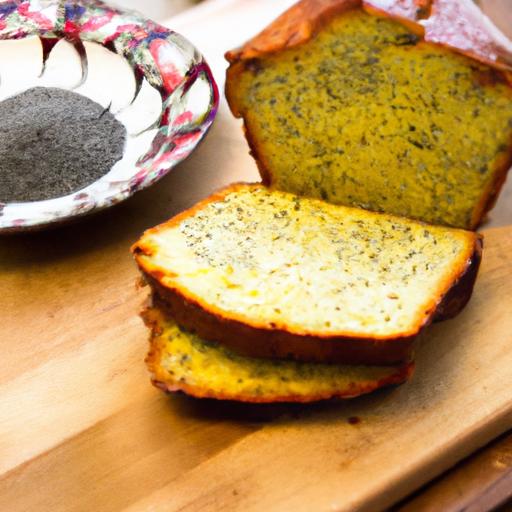

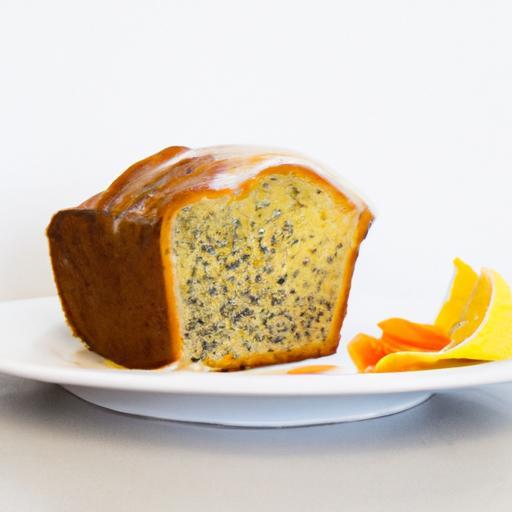
Radiant, tangy, and speckled with tiny bursts of crunch, lemon poppy seed bread has long held a cherished spot in kitchens and bakeries alike. This deceptively simple loaf is more than just a sweet snack-it’s a harmonious blend of art and science, where zest and texture dance together too delight the senses. In “Zesty Delight: The Art and Science of lemon Poppy Seed Bread,” we peel back the layers of this beloved treat, exploring how the vibrant citrus notes marry with delicate poppy seeds, and revealing the secrets behind its tender crumb and golden crust. Whether you’re a seasoned baker or a curious palate, join us as we uncover the flavorful alchemy that turns humble ingredients into a loaf bursting with sunshine and subtle complexity.
Lemon poppy seed bread offers a zesty delight that perfectly balances bright citrus notes with subtle crunch, making it a timeless favourite in home baking. Its origins trace back to European lemon cakes and fruity quick breads, evolving through American kitchens to become a beloved loaf that combines texture and flavour in every slice.this versatile bread harmonizes the tart vibrancy of lemon with the nutty pop of tiny seeds, creating a sensory experience that’s both refreshing and comforting-ideal for breakfast, tea time, or a light dessert.
Prep and Cook Time
Readiness: 15 minutes | Cooking: 55 minutes | Total Time: 1 hour 10 minutes
Yield
One 9×5-inch loaf (about 10 to 12 servings)
Difficulty Level
easy to Medium – perfect for bakers who want dependable results and a bread that never disappoints.
Ingredients
- 1 ¾ cups all-purpose flour, sifted
- 1 tsp baking powder
- ½ tsp baking soda
- ¼ tsp salt
- 2 tbsp poppy seeds
- 1 cup granulated sugar
- 2 large eggs, room temperature
- ½ cup unsalted butter, melted and cooled
- ¾ cup buttermilk, room temperature
- 2 tbsp lemon zest (from about 2 medium lemons)
- ¼ cup fresh lemon juice
- 1 tsp vanilla extract
Instructions
- Preheat your oven to 350°F (175°C). Grease and flour a 9×5-inch loaf pan or line it with parchment paper for easier removal.
- In a medium bowl, whisk together the sifted flour, baking powder, baking soda, salt, and poppy seeds.Set aside.
- In a large bowl, beat the eggs and granulated sugar until pale and slightly fluffy, about 3 minutes using a hand mixer or whisk.
- Slowly pour in the melted butter while continuing to mix gently to incorporate fully without deflating the eggs.
- Add the buttermilk, lemon zest, lemon juice, and vanilla extract, and mix until just combined. The batter will be creamy and slightly loose.
- Gradually fold in the dry ingredients with a spatula,using gentle motions. Overmixing can toughen the bread, so stop once no dry streaks remain.
- Pour the batter into the prepared loaf pan and spread it evenly.
- Bake for 50-60 minutes, or until a toothpick inserted in the center comes out clean. Check at 50 minutes to avoid overbaking - a perfectly moist crumb is key.
- Cool in the pan for 10 minutes, then transfer to a wire rack to cool entirely before slicing. This prevents crumbling and enhances flavor development.
Tips for Success
- Always use fresh lemon zest and juice for maximum zing; bottled lemon juice won’t provide the same depth.
- Room temperature eggs and buttermilk create a smooth batter and help with even rising.
- If you don’t have buttermilk, mix ¾ cup milk with 1 tbsp lemon juice and let sit for 5 minutes before adding.
- For an even more fragrant loaf, add a tablespoon of finely grated lemon peel in the batter.
- overbaking dries out the bread; start checking your loaf at 50 minutes with a toothpick test.
- Make-ahead: Wrap cooled bread tightly in plastic wrap and keep at room temperature for 2 days or freeze for up to 3 months.
Serving Suggestions
Serve this zesty delight slightly warm or at room temperature, ideally with a light spread of softened butter or a drizzle of honey. For a luxurious touch, pair it with mascarpone or a dollop of vanilla-infused whipped cream. garnish slices with thin lemon peels or a sprinkle of powdered sugar to enhance presentation. This bread also shines alongside herbal teas like chamomile or Earl Grey, offering the perfect balance of citrus and sweetness with every bite.
| Nutritional Info (per slice) | Calories | Protein | Carbs | Fat |
|---|---|---|---|---|
| 1 slice (approx.60g) | 210 kcal | 4g | 28g | 9g |

Balancing Flavors and Textures for the Perfect loaf
Achieving the ideal lemon poppy seed bread means thoughtfully balancing tart citrus, the crunch of poppy seeds, and a tender crumb. The interplay between bright lemon zest and the nutty, subtle pop against the loaf’s buttery sweetness creates complexity in each mouthful. the choice of fat-typically butter-provides richness, while buttermilk enhances moisture and tenderness, contributing subtle acidity that elevates the lemon flavor.
Essential Ingredients and techniques for Maximum Zest
Using fresh lemons is non-negotiable for vibrant zest and juice, which are the heart of this bread’s signature flavor. Sifting flour and gently folding the batter keeps the loaf light and airy, avoiding heaviness.Properly measuring poppy seeds ensures the perfect crunch without overpowering, while the buttermilk’s acidity works with baking soda to boost leavening and produce a soft texture. A slightly underbaked center ensures moistness, so keep a close eye during baking.
creative Twists and Serving Suggestions to Elevate Your Bread
To personalize this zesty delight, try adding a lemon glaze made with powdered sugar and lemon juice for extra sheen and tang. Incorporate fresh blueberries or lavender for floral notes that complement lemon beautifully. Swap buttermilk with Greek yogurt for a thicker, richer crumb. Serve alongside a tangy ricotta spread or layer thin slices with cream cheese and a drizzle of maple syrup for a gourmet treat. For an unexpected pop, infuse your butter with fresh herbs like thyme or rosemary before spreading.
Discover more vibrant lemon-inspired recipes by visiting our collection of citrus delights. For botanical and culinary history insights on lemon’s rich heritage, check out History.com’s article on lemons.
Q&A
Q&A: Zesty Delight – The Art and Science of Lemon Poppy Seed Bread
Q1: What makes lemon poppy seed bread so irresistibly delightful?
A1: Lemon poppy seed bread is a symphony of bright citrus and subtle crunch. The zingy lemon zest awakens your senses, while the tiny poppy seeds add a delicate nuttiness and texture. This harmonious blend creates a bread that is both refreshing and comforting, striking the perfect balance between sweet and tangy.
Q2: How did lemon poppy seed bread originate?
A2: While the exact origins are a bit murky, lemon poppy seed bread likely has roots in European baking traditions, where poppy seeds have been used for centuries. The pairing of lemon and poppy seeds became popular in American baking in the mid-20th century, evolving into the beloved quick bread that graces breakfast tables and afternoon teas today.
Q3: What is the secret science behind achieving the perfect crumb in lemon poppy seed bread?
A3: The magic lies in the batter’s balance. Too much lemon juice can break down gluten excessively, making the bread gummy, while too little leaves it dull. The correct ratio of wet to dry ingredients ensures a tender but sturdy crumb. Additionally, the baking powder or soda provides lift, while gentle folding prevents overmixing, keeping the texture light and airy.
Q4: Why are poppy seeds essential beyond thier crunch?
A4: Beyond textural delight, poppy seeds contribute a subtle nutty flavor that complements the brightness of lemon. They also add visual intrigue – those tiny black dots pepper the golden loaf, inviting curiosity and a promise of the flavors within.Q5: Can I substitute ingredients without losing the essence of this bread?
A5: Absolutely! For a twist, try substituting lemon zest with lime or orange zest for a new citrus note. Almond flour can replace some all-purpose flour for a nutty undertone, though the crumb might be denser. Just be mindful of how these swaps influence moisture and texture-baking is a delicate dance between ingredients.Q6: What are some creative serving ideas for lemon poppy seed bread?
A6: While fantastic on its own, lemon poppy seed bread shines even brighter when paired thoughtfully. Spread a dollop of crème fraîche and a drizzle of honey for a luxe snack, or serve slices alongside fresh berries and a cup of Earl Grey tea. For a brunch fiesta, use the bread to make French toast topped with mascarpone and lemon curd.Q7: How can I store lemon poppy seed bread to maintain its freshness?
A7: Lemon poppy seed bread stays fresh for several days when wrapped tightly in plastic wrap or stored in an airtight container at room temperature. For longer life, freeze slices individually and toast them straight from the freezer-this revives the bread’s moist interior and crisp exterior perfectly.
Q8: What is the emotional appeal behind baking and sharing lemon poppy seed bread?
A8: Baking lemon poppy seed bread offers a meditative ritual-the zesting of lemons, the gentle folding of batter, the aroma that fills the kitchen-all combine to create a moment of joy and mindfulness.Sharing it fosters connection, nostalgia, and warmth, transforming a simple loaf into an edible expression of love and care.
Whether you’re a baking novice or a seasoned pro, mastering lemon poppy seed bread is an invitation to explore the nuanced dance between art and science-where ingredients, technique, and passion converge into a true zesty delight.
The Way Forward
As the final crumb of lemon poppy seed bread melts on your tongue, you’re reminded that this humble loaf is much more than just a treat-it’s a symphony of chemistry and creativity, a testament to the delicate dance between zest and seed, tang and texture. Whether you’re a seasoned baker or a curious novice, understanding the art and science behind this zesty delight opens the door to endless experimentation and enjoyment. So next time you slice into that golden crust, savor not just the flavor but the craft and curiosity baked into every bite. After all, mastering lemon poppy seed bread isn’t just about following a recipe-it’s about embracing a flavorful tradition that continues to brighten kitchens and palates alike.