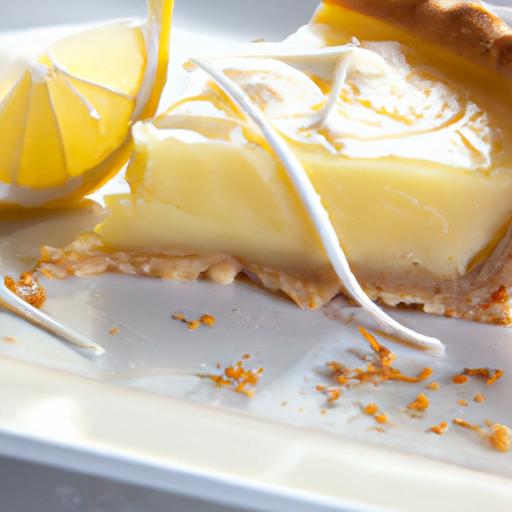

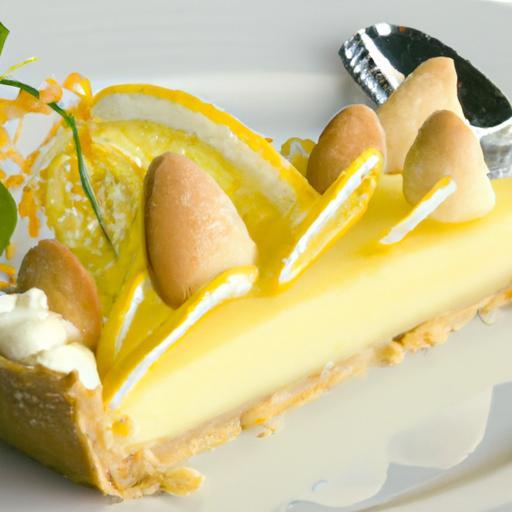
There’s something undeniably magical about a lemon tart-the way its golden crust cradles a tangy, silky filling that dances on the palate with a bright zestiness. But crafting the perfect lemon tart is far more than a simple recipe; it’s a harmonious blend of science and artistry. From the delicate balance of acidity and sweetness to the precise temperature that sets its custard-like texture, each element plays a crucial role in delivering that irresistible bite. In this article, we’ll slice into the fascinating chemistry behind the tart’s luscious filling and explore the culinary techniques that transform humble lemons and buttery pastry into a timeless dessert masterpiece. Prepare to discover how science and creativity combine to create a zesty delight that captivates both the eye and the taste buds.
Zesty Delight is not just a phrase-it captures the exhilarating chemistry behind crafting the perfect lemon tart that balances vibrant tartness with a luxurious texture and a crust that sings with buttery crispness. This exquisite dessert is a masterclass in flavor and technique, where science meets artistry to deliver a silky smooth lemon curd nestled in an impeccably crisp shell.
Prep and Cook Time
Readiness: 25 minutes
Cooking: 40 minutes
Cooling: 2 hours (including chilling crust and curd set time)
Yield
8 servings
Difficulty Level
Medium – Ideal for home bakers eager to elevate their pastry skills
Ingredients
- For the Crust:
- 1 ¼ cups all-purpose flour, sifted
- ¼ cup granulated sugar
- ¼ tsp salt
- 100g unsalted butter, cold and cubed
- 1 large egg yolk
- 2 tbsp ice water (adjust as needed)
- For the Lemon Curd:
- 4 large eggs
- 1 cup granulated sugar
- ¾ cup freshly squeezed lemon juice (about 4 lemons)
- 2 tbsp finely grated lemon zest
- 100g unsalted butter, cut into small pieces
Instructions
- Prepare the crust: In a food processor, pulse together flour, sugar, and salt. Add the cold cubed butter and pulse until the mixture resembles coarse crumbs. Add the egg yolk and pulse once more. Gradually add ice water, one tablespoon at a time, pulsing until the dough just begins to come together.
- chill and roll: Turn the dough onto a lightly floured surface, pat into a disk, wrap in cling film, and refrigerate for at least 30 minutes. Roll out chilled dough on a floured surface to about 1/8 inch thickness, then fit it gently into a 9-inch tart pan with a removable bottom. Trim excess dough.
- Blind bake the crust: Chill the tart shell for another 15 minutes to avoid shrinkage. Line with parchment paper and fill with pie weights or dried beans.Bake at 350°F (175°C) for 15 minutes, remove weights and paper, and bake another 10 minutes until the crust is golden and crisp. Allow to cool completely.
- Craft the perfect lemon curd: In a medium heatproof bowl, whisk together eggs, sugar, lemon juice, and zest. Place over a simmering water bath (double boiler) and whisk constantly to prevent curdling. Cook until thickened to a silky, pudding-like consistency, about 10 minutes. Remove from heat.
- Incorporate butter: Gradually whisk in the butter pieces, one at a time, allowing each to melt fully before adding the next. This technique emulsifies the curd, ensuring a smooth and glossy finish.
- Strain and fill: Pass the lemon curd through a fine mesh sieve to remove zest and any cooked egg bits for ultimate silkiness. Pour the curd into the cooled tart shell and smooth the top with a spatula.
- Set and chill: Refrigerate the assembled tart for at least 2 hours, or until the curd is fully set but still tender to the touch.
Chef’s Notes
- Tart tartness and texture: Using fresh lemon juice with a balanced amount of sugar is crucial. To much lemon zest intensifies tartness but can add a slight bitterness; zest only the yellow part for best flavor.
- Butter temperature: Keep the butter cold when making the crust for flakiness, but add it slightly softened to the curd to achieve emulsification without curdling.
- make-ahead tips: The tart shell can be baked a day ahead and stored tightly wrapped. Lemon curd keeps in the fridge for up to 5 days or can be frozen for longer storage.
- Substitutions: For a gluten-free choice, swap all-purpose flour with a gluten-free blend with xanthan gum; expect a slightly different crumb in the crust.
- Prevent cracking: Cook the curd gently and never rush the curdling stage. Constant whisking is essential for smoothness.
Serving Suggestions
Serve this exquisite lemon tart garnished with fresh berries-such as raspberries or blueberries-for a pop of color and complementary sweetness. A dusting of powdered sugar or a few mint leaves add elegance. For extra texture, accompany with a dollop of lightly whipped cream or a thin drizzle of honey-lavender syrup. Serve slightly chilled to enjoy the perfect balance of zesty delight and luscious texture.

| Nutrient | Per Serving |
|---|---|
| calories | 325 kcal |
| Protein | 5 g |
| Carbohydrates | 38 g |
| Fat | 16 g |
Explore more on perfect tart techniques in our How to Make Flaky Pastry Crust article. For the fascinating chemistry behind curdling and emulsion, visit ScienceDaily’s food chemistry research.
Q&A
Q&A: Zesty Delight – The science and Art of the Perfect Lemon Tart
Q1: What makes a lemon tart truly “perfect”?
A1: it’s the harmonious balance between the tart’s bright, zesty lemon flavor and its sweet, buttery crust. The perfect lemon tart has a silky, creamy filling that’s vibrant but not overpowering, paired with a crisp, golden pastry that adds texture without overshadowing the citrus star.
Q2: Why is lemon tart considered both science and art?
A2: Lemon tart is where culinary chemistry meets creative finesse. The science lies in understanding how ingredients interact-like how eggs coagulate to create custard’s smooth texture or how acid in lemon juice curdles proteins just enough for that velvety finish. The art comes in deciding the exact zest-to-sugar ratio, the thickness of the filling, and the finesse of the bake to yield flavor and texture that delight the senses.
Q3: How does the lemon’s acidity affect the tart’s texture?
A3: The acidity of lemon juice plays a pivotal role-it partially “cooks” the eggs, helping the filling set without turning rubbery. Too much acid can cause the filling to curdle, while too little makes it bland and overly soft. Striking the right acid balance ensures a smooth, luscious custard that holds shape with just the right wobble.
Q4: What’s the secret to a flaky, crumbly crust that complements the lemon filling?
A4: The key is cold butter and minimal handling. Keeping butter cold ensures it melts into tiny pockets during baking, creating that coveted flaky texture. Working the dough just enough to bind it, then chilling it before baking, keeps gluten advancement in check, preventing toughness. A sprinkle of sugar in the dough adds subtle sweetness and crunch.
Q5: Can you substitute ingredients for a healthier or gluten-free lemon tart?
A5: Absolutely! For gluten-free crusts, almond or oat flours work wonderfully, often boosting the nutty aroma that pairs well with lemon. For a lighter filling, you can reduce sugar or substitute with natural sweeteners like honey or maple syrup. Just remember-altering ingredients impacts texture and flavor, so adjustments in baking time or ratios might potentially be necessary.
Q6: What baking tips ensure the filling sets perfectly without cracking?
A6: Bake the tart in a moderate oven (around 325°F/160°C) and keep a close eye-overbaking causes cracks and dryness. The filling should jiggle slightly at the center when you remove it; it will firm up as it cools. Using a water bath is an option to provide gentle, even heat, reducing the risk of curdling or cracking.
Q7: How important is lemon zest compared to lemon juice?
A7: Lemon zest is the powerhouse of aromatic oils and bright, intense citrus flavor-far more potent than juice alone. While juice brings acidity and tang, zest delivers fragrant top notes that awaken your palate and elevate the tart’s complexity. Using both ensures a vibrant, multidimensional lemon experience.
Q8: Are there artistic ways to garnish lemon tarts that enhance both taste and aesthetics?
A8: Definitely! Candied lemon slices not only decorate but add a chewy sweetness and visual sparkle. A dusting of powdered sugar or a swirl of whipped cream can soften the sharpness and balance the tart’s zing. For a modern twist, edible flowers or a drizzle of berry coulis create eye-catching contrasts that invite curiosity and delight.
Q9: can the perfect lemon tart be made ahead?
A9: Yes! Lemon tarts actually benefit from some resting time-chilling allows flavors to meld and the filling to fully set, enhancing texture and taste. Just cover it well to prevent the crust from absorbing fridge odors. Serve chilled or at room temperature for an equally divine experience.
Q10: What makes the lemon tart a timeless dessert classic?
A10: Its simplicity combined with elegant complexity. Few desserts marry bright citrus and rich creaminess as effortlessly, offering a refreshing counterpoint to heavier sweets. It’s a celebration of contrasts-sweet and sour, smooth and crisp-that keeps palates enchanted across cultures and generations. The lemon tart is both a comforting tradition and a canvas for innovation, making it forever relevant.
Concluding Remarks
As we conclude our journey into the zesty world of the perfect lemon tart, it’s clear that this delightful dessert is more than just a tangy treat-it’s a harmonious blend of science and artistry. From balancing the acidity of fresh lemons to mastering the silky custard texture, each step invites both precision and creativity. Whether you’re a seasoned baker or a curious beginner, embracing the nuanced interplay of ingredients and techniques promises a tart that dances on the palate with brightness and depth. So next time you slice into that golden, luscious tart, remember: behind every bite lies a symphony of culinary science and heartfelt craft, making the humble lemon tart a true zestful masterpiece.