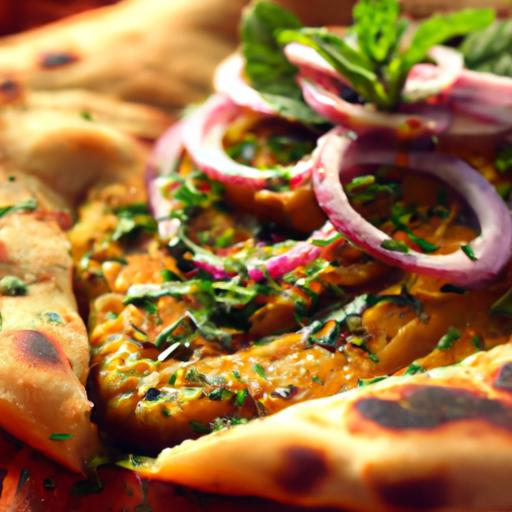

In the bustling streets of Lebanon, where scents of freshly baked bread mingle with fragrant spices, one culinary treasure has captured the hearts and palates of food lovers for centuries: manakish. This beloved Lebanese flatbread, often referred to as the contry’s appetizing answer to pizza, is more than just a simple meal-it’s a flavorful journey through time, culture, and tradition. From its golden, crispy crust to the rich medley of za’atar, cheese, and succulent meats that adorn its surface, manakish is a vibrant expression of Lebanese heritage. Join us as we unwrap the layers of this magical flatbread, exploring the stories, ingredients, and tastes that make manakish an irresistible emblem of Lebanon’s culinary landscape.
Manakish magic starts with a humble yet tradition-rich Lebanese flatbread, celebrated not only for its aromatic, golden crust but for the vibrant cultural heritage it carries. Passed down through generations, this beloved dish brings families together around morning tables and lively marketplaces. Each bite tells a story of Levantine hospitality, wrapped in a circle of tender dough topped lavishly with za’atar, cheese, or minced lamb, embodying centuries of culinary evolution and communal joy.
Prep and Cook Time
- preparation: 20 minutes
- Rising: 1 hour
- Cooking: 8-10 minutes
- Total time: Approximately 1 hour 30 minutes
Yield
Serves 4-6 people (makes 6 medium-sized Manakish)
Difficulty Level
Medium – Perfect for home cooks ready to elevate thier flatbread game with a touch of Lebanese flair.
Essential Ingredients That Bring Manakish to Life
- 3 cups all-purpose flour, sifted for airy dough
- 1 cup warm water (110°F/43°C), for activating yeast
- 2 teaspoons active dry yeast, the leavening powerhouse
- 1 teaspoon fine sea salt, to balance and enhance flavor
- 2 tablespoons olive oil, for richness and softness
- 1 tablespoon sugar, to feed the yeast and promote browning
- For Za’atar Topping: 1/3 cup za’atar spice blend mixed with 2 tablespoons olive oil
- For Cheese Topping (optional): 1 cup Akkawi or mozzarella, shredded
- For Meat topping (optional): 1/2 lb ground lamb or beef, seasoned with sumac and pine nuts
Varieties and Flavor Combinations to savor in Every Bite
Manakish magic is celebrated not just for tradition but for its versatility. the classic za’atar Manakish enchants with its blend of tangy thyme, toasted sesame, and sumac, creating a savory herbal crown. Cheese lovers adore the luscious, melted layers of Akkawi or mozzarella, balancing salty and creamy notes. For those craving heartier fare,spiced minced lamb with pine nuts creates a satisfying,aromatic centerpiece. Experimenting with combinations like labneh and fresh mint or sliced tomatoes and olives invites endless culinary adventure, ensuring no two Manakish need ever be the same.
Expert Tips for perfecting Manakish at Home
- Activate your yeast properly by dissolving it in warm water with a pinch of sugar; wait for the foamy bubbles to appear, signaling readiness.
- Knead the dough until smooth and elastic, about 8-10 minutes by hand or 5 minutes in a stand mixer with a dough hook.
- Let the dough rise in a warm, draft-free spot until doubled in size – this step ensures lightness and soft crumb.
- Roll out the dough evenly, aiming for about 1/4 inch thickness; too thin will crisp up too much, too thick might stay doughy inside.
- Generously spread the toppings but avoid overloading to prevent sogginess; a thin layer of olive oil mixed with za’atar helps the flatbread crisp and brown beautifully.
- Bake on a preheated pizza stone or baking sheet at high heat (450°F/230°C) for 8-10 minutes until golden and bubbling.
- Serve immediately to enjoy the best texture and aroma; Manakish is best warm straight from the oven.
Ingredients
- 3 cups all-purpose flour, sifted
- 1 cup warm water (110°F/43°C)
- 2 teaspoons active dry yeast
- 1 teaspoon fine sea salt
- 2 tablespoons olive oil
- 1 tablespoon sugar
- 1/3 cup za’atar mixed with 2 tablespoons olive oil (for topping)
- 1 cup Akkawi or mozzarella cheese, shredded (optional)
- 1/2 lb ground lamb, seasoned with sumac and pine nuts (optional)
Instructions
- Prepare the yeast: In a small bowl, mix warm water, sugar, and yeast. Let stand 5-10 minutes until frothy.
- Make the dough: In a large bowl, combine sifted flour and salt. Make a well in the center, pour in the yeast mixture and olive oil. Mix until a rough dough forms.
- knead: Transfer to a floured surface and knead for 8-10 minutes until smooth and elastic. Alternatively, knead in a stand mixer for 5 minutes.
- Let rise: Place dough in a lightly oiled bowl, cover with a clean kitchen towel, and allow to rise in a warm area for 1 hour or until doubled.
- preheat oven: Set to 450°F (230°C), placing a pizza stone or baking sheet inside to heat.
- Divide and roll out: Punch down the dough and divide into 6 equal balls. Roll each into a 7-inch diameter circle, about 1/4 inch thick.
- Top the Manakish: Spread the za’atar and olive oil mixture evenly over each dough circle. For cheese or meat varieties, evenly sprinkle the toppings accordingly.
- Bake: Transfer each Manakish onto the hot stone or baking sheet. Bake for 8-10 minutes, until edges turn golden and toppings bubble.
- Serve warm: Remove from the oven and let rest for 1-2 minutes. Garnish with fresh parsley or a drizzle of olive oil if desired.
Chef’s Notes
- For a lighter crust, substitute half of the all-purpose flour with bread flour for extra chewiness.
- Za’atar blends vary by region; experiment with ratios of thyme, sumac, and sesame for your signature flavor.
- Make dough ahead by refrigerating overnight – bring to room temperature before shaping.
- Use a pizza stone for crisper bottoms, or a heavy baking sheet if a stone is unavailable.
- To reheat, pop manakish in a hot oven or toaster oven for a few minutes to restore crispness.
Serving Suggestions
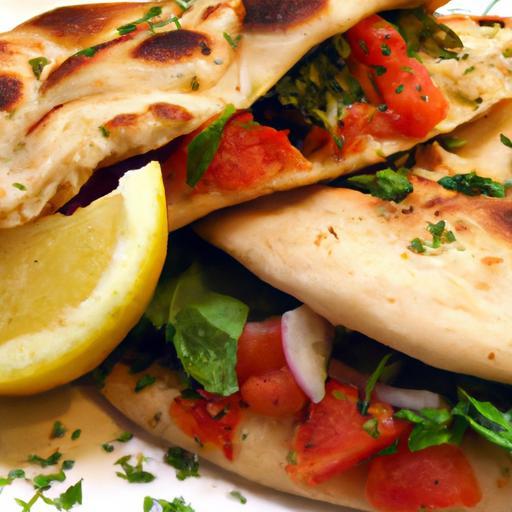
Enjoy manakish magic alongside fresh labneh, sliced cucumbers, ripe tomatoes, and olives for a vibrant mezze spread. A drizzle of tahini or a sprinkle of sumac adds shining, tangy contrast. Pair with a strong brewed Arabic coffee or a refreshing mint tea to complete your Lebanese feast. Wrap manakish in parchment paper and serve on rustic wooden boards garnished with chopped parsley and lemon wedges to create a warm, inviting presentation.

| nutrient | Per Serving (1 Manakish) |
|---|---|
| Calories | 280 kcal |
| Protein | 8 g |
| Carbohydrates | 40 g |
| Fat | 7 g |
For more delicious Lebanese recipes, explore our Lebanese cuisine collection. Discover the history behind za’atar on Britannica to deepen your flavor journey.
Q&A
Q&A: Manakish magic - Exploring the Flavors of Lebanese Flatbread
Q1: What exactly is Manakish?
A1: Manakish (pronounced mah-nah-keesh) is a beloved Lebanese flatbread, often described as the Middle East’s answer to pizza. It’s a simple, yet versatile bread topped with savory ingredients like za’atar, cheese, or minced meat, then baked to golden perfection.A staple of Lebanese breakfasts and street food, Manakish offers a delicious window into the region’s rich culinary heritage.
Q2: what are the conventional toppings on Manakish?
A2: The classic trio of toppings includes za’atar (a fragrant blend of thyme, sesame seeds, and sumac), akkawi or halloumi cheese, and ground lamb or beef mixed with spices (known as lahm bi ajin). Each topping brings a distinct flavor profile-herbaceous and tangy with za’atar, creamy and salty with cheese, or hearty and spiced with meat.
Q3: How is the dough for Manakish different from other flatbreads?
A3: Manakish dough is a simple, airy yeast dough made from flour, water, yeast, salt, and a touch of olive oil. It’s rolled thin but retains a soft chewiness with a slightly crisp crust when baked. The magic lies in the dough’s ability to act like a flavorful canvas, absorbing and complementing the toppings without overpowering them.
Q4: Can Manakish be customized with modern or unusual ingredients?
A4: absolutely! While traditional toppings remain popular, contemporary chefs and home cooks experiment with everything from mozzarella and pesto to za’atar with honey, or even spicy merguez sausage. this versatility keeps Manakish exciting and accessible to new palates while honoring its roots.
Q5: How is Manakish typically enjoyed in Lebanese culture?
A5: Traditionally, Manakish is a breakfast staple, served fresh and hot from the oven accompanied by tea, labneh (strained yogurt), olives, fresh vegetables, and pickles. It’s common to see families gathering around shared plates of Manakish on a leisurely morning or grabbing a swift, flavorful bite from bustling street vendors.
Q6: Why is Manakish considered magical beyond its taste?
A6: Manakish carries more than flavor-it embodies centuries of cultural stories, regional identity, and communal ritual. Its magic lies in its simplicity and ability to bring people together, from bustling city streets to cozy kitchen tables across Lebanon and beyond. Each bite is a connection to tradition, flavor, and shared experience.Q7: Where can someone outside Lebanon experience authentic Manakish?
A7: Authentic Manakish can be found in Middle Eastern bakeries and restaurants worldwide-from Beirut-style cafes in New York and London to bustling souks in Paris. For the adventurous, making Manakish at home is also a rewarding journey: the dough is straightforward, and the toppings can be adapted to what’s available locally.
Q8: What’s a good tip for someone trying to make Manakish at home for the first time?
A8: Focus on a well-hydrated, soft dough and don’t skimp on quality ingredients like fresh za’atar or good olive oil.When spreading toppings, be generous but balanced-too much topping can weigh the bread down, while too little misses the flavor punch. Lastly, baking at a high temperature in a hot oven will give you that signature light crisp and golden color.
Exploring Manakish is a delicious dive into Lebanese culinary magic-where simple ingredients combine to create a timeless, flavorful experience. Whether you savor it on the streets of Beirut or bake it in your own kitchen, Manakish invites you to taste tradition, one flatbread at a time.
Wrapping Up
As the warm aroma of za’atar and freshly baked dough lingers in the air, manakish reveals itself not just as a simple flatbread, but as a vibrant tapestry of Lebanese culture and culinary artistry. Each bite tells a story-of ancient traditions, sun-kissed fields of thyme, and the joyful gatherings around shared meals. Whether enjoyed for breakfast, lunch, or a late-night snack, manakish invites us to savor the magic woven into its flavors.So next time you crave a taste of the Levant, remember that this humble flatbread carries centuries of history, passion, and flavor-one delicious slice at a time.