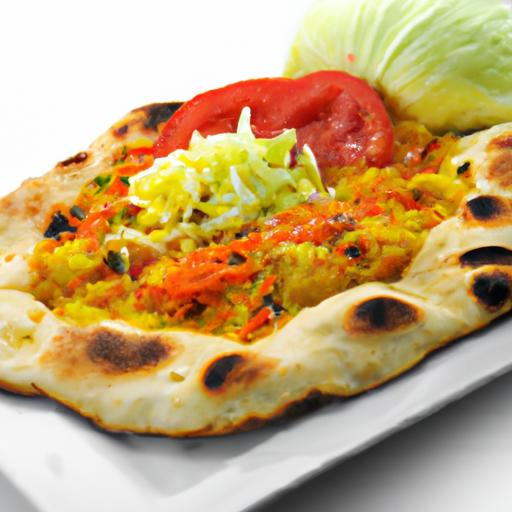

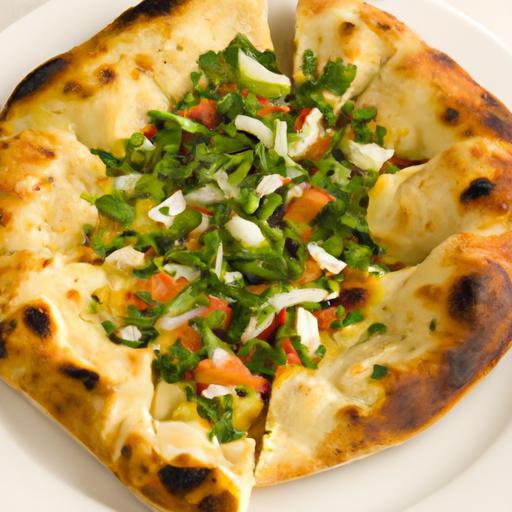
In the bustling markets and quite corners of the Middle East, a simple yet enchanting aroma weaves thru the air, inviting passersby to pause and indulge. This is the spellbinding essence of manakish-a beloved flatbread that is much more than a humble staple. Often crowned with fragrant za’atar, rich cheeses, or spiced meats, manakish carries with it centuries of tradition, culture, and community. Join us as we journey into the heart of Middle Eastern bread-making, unveiling the magic behind manakish and the stories baked into every warm, golden slice.
Origins and Traditions Behind Manakish Bread
Manakish Magic begins with understanding its rich cultural roots-a beloved Middle Eastern flatbread often called the “Arabic pizza,” Manakish has fed families and festive gatherings for centuries.Originating primarily in Lebanon, Syria, and Palestine, this versatile bread embodies community and celebration. Traditionally, it was baked in communal stone ovens, where neighbors would gather, sharing stories while thier doughs rose and baked. The fragrance of za’atar-spiced bread wafting through alleyways remains a nostalgic symbol of warmth and friendship.
This bread’s tradition extends to daily breakfasts in Middle Eastern households,often enjoyed family-style with fresh vegetables,olives,and labneh. each region adds its unique touch-some favoring za’atar, others lovingly coating their dough with cheeses or ground meats.For me, the magic comes when a simple dough transforms with earthy spices and fresh toppings into a flavor explosion, evoking travel, history, and comfort all at once.
Mastering the Art of Manakish Dough Preparation
Crafting the perfect Manakish dough is essential to unlocking the authentic experience. The dough’s texture should be soft and slightly chewy, with a golden crust that holds toppings without sagging. Achieving this balance requires patience and attention to hydration and kneading-two crucial steps.
Begin with warm water and active dry yeast to awaken the dough’s yeast and create that light, airy crumb. Gentle kneading develops gluten,giving the bread structure,while resting periods allow fermentation to deepen flavor. When shaping, aim for an even, thin circle about 8 to 10 inches wide, leaving a slight lip to contain toppings, ensuring every bite offers a harmonious balance of bread and topping.
Prep and Cook Time
- Preparation: 20 minutes
- Proofing: 1 hour
- Cooking: 10 minutes
- Total Time: 1 hour 30 minutes
Yield
Makes 6 medium-sized Manakish rounds, perfect for sharing or meal prep.
Difficulty Level
Medium - Ideal for cooks comfortable with yeast doughs and ready to experiment with toppings.
Ingredients
- 2 ½ cups all-purpose flour, sifted
- 1 cup warm water (105-110°F)
- 2 tsp active dry yeast
- 1 tsp sugar
- 1 tsp salt
- 2 tbsp extra virgin olive oil
- Toppings: Za’atar spice blend, olive oil, labneh, shredded akkawi or mozzarella cheese, minced lamb with pine nuts (optional)
Instructions
- activate the yeast: In a small bowl, combine the warm water, sugar, and yeast. Stir gently, then let sit for 5-10 minutes until foamy, indicating the yeast is active.
- Mix the dough: In a large mixing bowl, whisk together the sifted flour and salt. Gradually pour in the yeast mixture and olive oil, stirring with a wooden spoon until a shaggy dough forms.
- Knead: Turn the dough onto a lightly floured surface.Knead for 8-10 minutes until smooth and elastic. If the dough is too sticky, sprinkle a little more flour, but avoid over-flouring to keep the dough tender.
- First rise: Place the dough in a lightly oiled bowl, cover with a clean kitchen towel or plastic wrap, and let it rise in a warm place for about 1 hour, or until doubled in size.
- Shape: Punch down the risen dough and divide it into 6 equal portions. Roll each into a smooth ball, then flatten into 8-10 inch circles on a floured surface. Use your fingers to create a slight edge to hold toppings.
- Add toppings: brush each dough round generously with olive oil, then sprinkle with za’atar or your chosen toppings (see variations).Avoid overloading to prevent sogginess.
- Bake: Preheat your oven to 475°F (245°C) and place a baking stone or sheet inside to heat. Transfer the topped dough onto the hot surface and bake for 8-10 minutes until golden and crisp.
- Serve instantly: Enjoy while warm for the best texture and flavor.
Tips for Success
- Ensure your water is the right temperature when activating yeast-too hot kills it, too cold slows fermentation.
- for an extra soft crust, you can brush the edges of the dough with olive oil before baking.
- Experiment with toppings like fresh tomatoes, za’atar with sesame, or a mixture of spinach and feta, but keep quantities moderate to avoid soggy bread.
- If making ahead, freeze the shaped dough rounds before baking; thaw, then top and bake fresh.
- Rack positioning in the oven matters-bake close to the heat source for a crisp bottom crust.
Flavorful Toppings That Elevate Every Bite
Manakish is a canvas for vibrant Middle Eastern flavors. The classic topping, za’atar, blends the earthy aromas of thyme, sumac, and toasted sesame seeds. When combined with olive oil, it creates a savory herbaceous paste that crisps beautifully in the oven. For cheese lovers, a sprinkling of akkawi or meltable mozzarella adds a creamy contrast. Exploring further, ground lamb mixed with pine nuts and fragrant spices brings a hearty twist perfect for special occasions.
Don’t underestimate the power of fresh herbs and accompaniments. Chopped parsley, a drizzle of pomegranate molasses, or a squeeze of lemon juice brightens the bold flavors. Creative cooks also top Manakish with sautéed spinach and garlic or caramelized onions to add sweetness and texture.
Serving Suggestions and Pairings for Authentic Enjoyment
Serving Manakish warm enhances its inviting aroma and pliability. Pair it with traditional Middle Eastern sides like labneh (strained yogurt), fresh sliced cucumbers, ripe tomatoes, and olives for a balanced breakfast or snack.A side of mint tea or freshly brewed arabic coffee complements its rich, herbaceous notes.
for a fuller meal, enjoy Manakish alongside grilled kebabs or a mezze spread featuring hummus, baba ghanoush, and pickled vegetables.Garnish with a scatter of fresh herbs like parsley or sprinkle with crunchy sumac for a pop of color and tang.

| Nutrient | Per Serving (1 Manakish) |
|---|---|
| Calories | 220 kcal |
| Protein | 6 g |
| Carbohydrates | 35 g |
| Fat | 6 g |
discover other Middle Eastern bread recipes to expand your culinary journey. For in-depth history, visit Britannica’s Manakish Overview.
Q&A
Q&A: Manakish Magic – Exploring the heart of middle Eastern Bread
Q1: What exactly is Manakish?
A: Manakish (or Mana’eesh) is a beloved Middle Eastern flatbread, often described as the region’s answer to pizza. It’s a warm, round dough base topped with a variety of flavorful spreads, cheeses, or herbs, then baked to golden perfection. Think of it as edible poetry-simple, rustic, yet endlessly adaptable.
Q2: Where did Manakish originate?
A: The roots of Manakish run deep in Levantine culture, tracing back centuries to countries like Lebanon and Syria.It began as a humble street food, made for workers and travelers, cherished for its portability and heartiness. Over time, it evolved into a staple that graces breakfast tables and bustling markets alike.
Q3: What are the traditional toppings found on Manakish?
A: Classic toppings include za’atar (a fragrant blend of thyme, sesame seeds, and sumac), akkawi or halloumi cheese, and ground lamb or beef spiced with fragrant herbs. But Manakish is a canvas-modern bakers experiment with everything from spinach and labneh to olives and tomatoes, conjuring endless flavor combinations.
Q4: How is Manakish made?
A: The process begins with a soft, yeasted dough, rolled thin but not paper-thin, providing a tender yet chewy base. A generous layer of topping is spread evenly, then it’s slid into a very hot oven or traditional wood-fired oven. The heat crisps the edges while melding the toppings with the bread’s warmth-creating that irresistible aroma and taste.
Q5: Why is Manakish considered the “heart” of Middle Eastern bread?
A: Manakish embodies the spirit of Middle Eastern hospitality and simplicity. It’s more than food; it’s a ritual-baked fresh, shared among friends and family, breaking the day with warmth and flavor.Its versatility mirrors the diversity of the region’s palate, making it a staple that beats at the cultural and culinary heart.
Q6: How can someone enjoy Manakish at home?
A: You don’t need a professional oven to savor Manakish! With a simple dough recipe and accessible toppings-like za’atar mixed with olive oil or shredded cheese-you can create your own magic on a baking sheet or pizza stone. Pair it with fresh salads, dips like labneh, or simply enjoy it straight from the oven with a cup of strong, sweet tea.
Q7: What makes Manakish different from other flatbreads around the world?
A: Unlike many flatbreads that serve mainly as a vehicle for other dishes, Manakish is both bread and topping in one harmonious bite.Its hallmark is the intimate marriage of dough and spice-the iconic za’atar blend imparts a tangy, herbal punch that’s uniquely Middle Eastern, setting it apart from olive oil-topped focaccias or Indian naan.
Whether you eat it as a quick breakfast, a satisfying snack, or a centerpiece at a gathering, Manakish is a flavorful journey into Middle Eastern tradition-a simple bread that carries centuries of flavor, culture, and warmth in every fold.
Final Thoughts
As the warm, aromatic layers of manakish reveal their time-honored charm, we uncover more than just a humble bread-we discover a culinary tapestry woven with history, culture, and community. From the bustling street corners of Beirut to cozy family kitchens across the Middle East, manakish is more than food; it’s a flavorful story passed through generations, a bite-sized celebration of heritage and heart.So, next time you break into this golden, za’atar-spiced delight, remember you’re tasting a slice of tradition that continues to nourish both body and soul, inviting us all to savor the magic baked into the very heart of Middle Eastern bread.