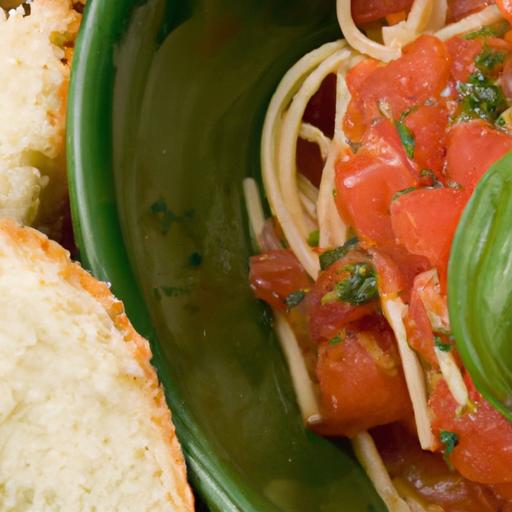

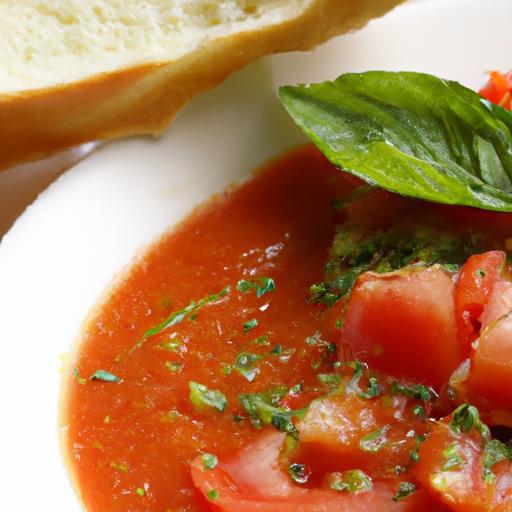
There’s something undeniably magical about a rich, velvety marinara sauce-its vibrant red hue, the aroma of simmering tomatoes mingled with fragrant herbs, and that perfect balance of tangy and sweet that transforms any dish from ordinary to unforgettable.Yet behind this quintessential Italian staple lies a deceptively simple art: mastering the basics of classic tomato sauce. Whether you’re a kitchen novice or a seasoned home cook, understanding the foundations of marinara unlocks endless culinary possibilities, from twirling steaming pasta to layering rustic casseroles. In this guide, we’ll unravel the secrets of crafting the perfect marinara, exploring essential ingredients, timeless techniques, and tips to elevate this humble sauce from pantry staple to pièce de résistance. Get ready to stir up a pot of tradition and flavor that will become your new go-to in the heart of your cooking repertoire.
Mastering Marinara begins with appreciating the vibrant simplicity and bold flavors that true classic tomato sauce brings to your kitchen. Rooted deeply in Italian tradition, this sauce transforms humble ingredients into a symphony of taste and aroma. My earliest memories of marinara simmering on the stove come from my grandmother’s kitchen-where patience and love were the secret ingredients, crafting a sauce that clings to every strand of pasta with unmatched intensity.
Prep and Cook Time
- preparation: 15 minutes
- Cooking: 1 hour 15 minutes (including slow simmer)
Yield
- About 4 cups (serves 6)
Difficulty Level
- medium – requires attention and patience but accessible to most home cooks
Ingredients
- 2 tablespoons extra virgin olive oil
- 1 small yellow onion, finely diced
- 4 cloves garlic, minced
- 1 (28-ounce) can whole San Marzano tomatoes, crushed by hand or with a masher
- 1 teaspoon sea salt, adjust to taste
- 1 teaspoon granulated sugar (balances acidity)
- 1 teaspoon dried oregano
- 1 teaspoon fresh basil, minced (or ½ teaspoon dried)
- ¼ teaspoon red pepper flakes (optional for a subtle kick)
- Freshly ground black pepper, to taste
- ½ cup water or low sodium vegetable broth (for controlling thickness)
Instructions
- Warm the olive oil in a heavy-bottomed saucepan over medium heat. add the finely diced onion and sauté until translucent and golden brown, about 8 minutes, stirring frequently to avoid burning, which can impart bitterness.
- Add the minced garlic and cook for an additional 1-2 minutes until fragrant, careful not to let it brown.
- Pour in the crushed San Marzano tomatoes, stirring gently to combine with the onion and garlic base.
- Season with sea salt, granulated sugar, dried oregano, basil, and red pepper flakes. Stir well,allowing the spices to bloom and integrate.
- Add the ½ cup of water or broth to adjust the sauce’s initial consistency; this will help during the slow simmer and prevent early drying.
- Bring the mixture to a low boil, then immediately reduce the heat to a gentle simmer.Partially cover with a lid, leaving a slight gap for steam to escape.
- Simmer gently for 1 hour to 1 hour and 15 minutes, stirring every 15 minutes. This slow technique deepens the flavor profile and creates a luscious, velvety texture as the sauce reduces and the tomatoes naturally sweeten.
- About 10 minutes before finishing, taste and adjust seasoning with additional salt or pepper. For a smoother finish, use an immersion blender to puree slightly, keeping some texture for a rustic feel.
Chef’s Notes and Tips for Success
- Choosing tomatoes: Authentic San Marzano or other canned Italian plum tomatoes yield the richest, most balanced flavor. Fresh tomatoes can be used, but canned ensure sweetness and body.
- Onion and garlic: Sautéing slowly is essential-rushing this step results in harsh, raw flavors.
- Slow simmering: Resist the urge to speed up cooking with high heat. Low and slow coax out the best complexities and silkiness.
- Sugar and acidity: A pinch of sugar balances the natural acidity of the tomatoes,but adjust according to taste and tomato variety.
- Customization: Infuse a teaspoon of anchovy paste for umami depth, or add fresh rosemary or thyme for an aromatic twist.
- Make-ahead: Marinara develops even more flavor after resting overnight in the fridge and freezes beautifully for up to 3 months.
Serving Suggestions
Serve your marinara sauce bedecked with torn fresh basil leaves and a drizzle of high-quality extra virgin olive oil. It’s divine over perfectly al dente spaghetti, nestled under melted mozzarella on oven-baked eggplant Parmesan, or as a vibrant dipping sauce for garlic knots.For a comforting meal, ladle it over grilled chicken or roasted vegetables. Garnish with grated Parmigiano-Reggiano and cracked black pepper for a classic finish.

| Nutrient | Per ½ cup |
|---|---|
| Calories | 80 kcal |
| Protein | 2g |
| Carbohydrates | 12g |
| Fat | 3g |
Related Reading
Explore our Homemade Pasta Recipes to pair perfectly with your marinara sauce, elevating your Italian meals to new heights.
For more on tomato varieties and health benefits, visit Medical News Today.
Q&A
Q&A: Mastering Marinara – Your Guide to Classic Tomato sauce Basics
Q1: What exactly is marinara sauce?
A: Marinara is a simple, vibrant tomato sauce rooted in Italian tradition. Unlike thick, slow-cooked ragùs, marinara is speedy to prepare, featuring fresh tomatoes, garlic, herbs, and olive oil.Its bright acidity and fragrant aroma make it a versatile star in any kitchen.
Q2: what are the essential ingredients for a classic marinara?
A: At its heart, marinara needs ripe tomatoes (fresh or canned San Marzano are prized), garlic, olive oil, fresh basil or oregano, salt, and sometimes a pinch of red pepper flakes for subtle heat. Some recipes add a splash of onion or a touch of sugar to balance acidity, but simplicity is key.
Q3: How do you achieve the perfect texture and flavor?
A: Start by gently sautéing garlic in olive oil to infuse the base with its mellow sweetness. Add your tomatoes and let them simmer just long enough to meld flavors without losing that fresh, zesty character. Avoid overcooking – marinara should be bright, not heavy.Fresh herbs stir in near the end preserve their aromatic punch.
Q4: Can I make marinara sauce ahead of time?
A: Absolutely! Marinara actually deepens in flavor after a day or two in the fridge. It also freezes beautifully, so batch-cooking and stashing it for quick meals is a smart move.
Q5: What dishes pair best with marinara?
A: The possibilities are endless! Classic spaghetti, baked eggplant parmesan, meatballs, or even a dipping sauce for crispy calamari.Marinara’s lively flavors elevate everything from pasta to pizza and beyond.
Q6: How can I personalize my marinara without losing its classic soul?
A: Experiment with a splash of red wine for richness, add anchovies for umami depth, or toss in chopped olives for a Mediterranean twist. Just remember to keep the foundation simple and let the tomato’s natural brightness shine.
Q7: What common mistakes should I avoid when making marinara?
A: Overcooking until all acidity is gone turns it flat and dull. Using low-quality tomatoes can leave the sauce tasteless. Too much oil or garlic can overpower delicate flavors. And skipping seasoning is a cardinal sin-salt and herbs make all the difference.
Q8: Is marinara sauce healthy?
A: Definitely! Made from wholesome, fresh ingredients and heart-healthy olive oil, marinara is low in calories and packed with antioxidants like lycopene. Just watch portion sizes if you’re adding extra cheese or meat.
By mastering these basics, you’ll unlock the joyful magic of marinara-a sauce that’s as comforting as it is captivating.Ready to simmer up a pot of sunshine? Let’s get saucy!
In Retrospect
As you stir your last spoonful of marinara, remember that mastering this timeless tomato sauce is less about precision and more about passion. Each batch tells a story-of ripe tomatoes, fragrant herbs, and the comforting hum of simmering sauce. Armed with these classic basics, your kitchen becomes a canvas where tradition meets creativity.So, whether tossed with pasta, spread over pizza, or spooned onto a sizzling dish, your marinara will always bring a touch of homemade magic to the table. Embrace the simplicity, savor the process, and let every simmering pot inspire your culinary adventures ahead.