

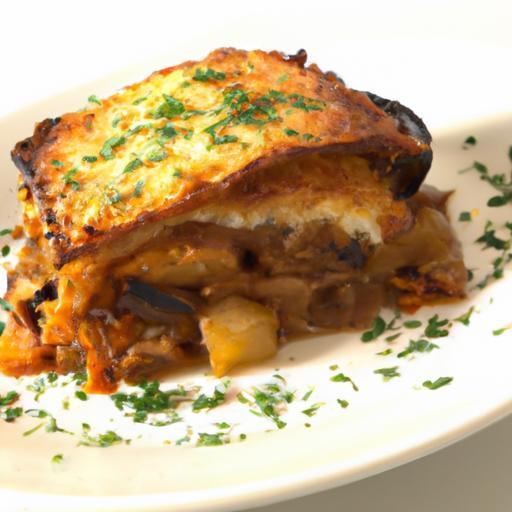
There’s something irresistibly enchanting about moussaka-the rich layers of tender eggplant, savory meat sauce, and creamy béchamel that come together in a harmonious, soul-warming dish. Rooted deeply in Mediterranean tradition, this classic comfort food tells a story of heritage, flavor, and culinary artistry. Whether your a seasoned home cook or an adventurous beginner, mastering moussaka offers a chance to bring a slice of authentic Greek cuisine to your table. In this step-by-step guide, we’ll unravel the secrets behind each layer, explore essential ingredients, and walk you through the techniques needed to create a moussaka that’s as authentic as it is unforgettable. Get ready to embark on a appetizing journey that celebrates both tradition and taste.
Mastering Moussaka begins with selecting the freshest and highest quality ingredients to create layers bursting with flavor and texture. This classic Greek dish is celebrated for its harmonious blend of tender eggplants, aromatic meat sauce, and creamy béchamel topping, each element contributing to its irresistible character.
Prep and Cook Time
- Planning: 40 minutes
- cooking: 1 hour 20 minutes
- Total: 2 hours
Yield
Serves 6 hearty portions
Difficulty Level
Medium – perfect for excited home cooks ready to impress with authentic flavors and techniques
Ingredients
- 2 large eggplants,sliced into ½-inch rounds
- 3 tablespoons olive oil,divided
- 1 large onion,finely chopped
- 3 garlic cloves,minced
- 500g ground beef or lamb for richer flavor
- 1 (14 oz) can crushed tomatoes
- 2 tablespoons tomato paste
- ½ cup red wine (optional but recommended)
- 1 teaspoon ground cinnamon
- ½ teaspoon ground allspice
- Salt and freshly cracked black pepper,to taste
- 1 cup whole milk
- 4 tablespoons unsalted butter
- 4 tablespoons all-purpose flour,sifted
- ½ teaspoon freshly grated nutmeg
- 2 large eggs,beaten
- 1 cup grated kefalotyri or Parmesan cheese,divided
Instructions
- Prepare the eggplants: Lightly salt the eggplant slices and place them in a colander for 30 minutes to draw out bitterness. Rinse and pat dry with paper towels.
- Sear the eggplants: Heat 2 tablespoons olive oil in a large skillet over medium-high heat. Add eggplant slices in batches and sauté until golden brown, about 3-4 minutes per side. Set aside on paper towels to drain excess oil.
- Craft the rich meat sauce: In the same skillet, add the remaining 1 tablespoon olive oil.Sauté chopped onion and garlic until translucent and fragrant, roughly 5 minutes.
- Stir in the ground beef or lamb, breaking it apart with a wooden spoon. Cook until browned all over, about 8 minutes.
- add crushed tomatoes, tomato paste, and red wine. Sprinkle in cinnamon, allspice, salt, and pepper. Simmer uncovered for 30-35 minutes, stirring occasionally until sauce thickens and deepens in flavor.
- Prepare the béchamel sauce: Melt butter in a saucepan over medium heat. Whisk in flour and cook for 2 minutes to form a smooth roux.
- Gradually add warm milk, whisking constantly to avoid lumps. Bring mixture to a gentle boil, then reduce heat and simmer until thickened and velvety, about 6-8 minutes.
- Remove from heat and add nutmeg,half of the grated cheese,and beaten eggs. Stir quickly to combine and prevent curdling.
- Assemble the moussaka: Preheat oven to 350°F (175°C). In a greased baking dish, layer half the eggplants evenly.Spread the entire meat sauce over them, then layer the remaining eggplant slices.
- Pour béchamel sauce generously over the top, smoothing it with a spatula, and sprinkle with remaining cheese.
- Bake uncovered for 45 minutes or until the béchamel surface is golden and bubbling, signaling golden perfection.
- Allow moussaka to rest for 15-20 minutes before slicing. This helps layers set beautifully for clean servings.
Tips for Success
- Eggplant prep: Salting and resting eggplants ensures tender, non-bitter slices that absorb oil perfectly without sogginess.
- Meat choice: Combining lamb and beef creates a more complex flavor, but 100% ground beef is also delicious.
- Wine substitution: If avoiding alcohol, use extra stock or water with a splash of balsamic vinegar for depth.
- Béchamel stirring: Keep whisking to prevent lumps and cook until just thick enough to coat the back of a spoon.
- Make-ahead: Assemble moussaka a day ahead and refrigerate overnight-the flavors deepen, making it even more irresistible.
Serving Suggestions and Presentation Tips
Slice your masterpiece into generous, clean squares using a sharp knife. serve warm, preferably alongside a vibrant Greek salad with juicy tomatoes, cucumbers, Kalamata olives, and a drizzle of extra virgin olive oil. garnish each plate with a sprig of fresh oregano or parsley for a burst of color and authenticity. Pair with a chilled glass of crisp white wine or a robust red to complement the rich spices.

| Nutrient | Per Serving |
|---|---|
| Calories | 480 kcal |
| Protein | 30 g |
| Carbohydrates | 18 g |
| Fat | 32 g |
For further inspiration on Mediterranean classics, check out our Mediterranean Classics Collection. To deepen your understanding of traditional Greek spices, the Britannica’s Greek Cuisine Overview is an excellent resource.
Q&A
Q&A: Mastering Moussaka – A Step-by-Step Authentic recipe Guide
Q1: What exactly is moussaka, and why is it so beloved in Mediterranean cuisine?
A1: Moussaka is a luscious layered casserole, traditionally hailing from Greece and the surrounding Mediterranean region. It combines tender eggplants, spiced ground meat, and a creamy béchamel sauce, baked to golden perfection. Its rich textures and harmonious flavors have made it a beloved comfort dish, evoking home-cooked warmth and festive gatherings.
Q2: What are the essential ingredients that define an authentic moussaka?
A2: Authentic moussaka relies on fresh eggplants (sometiems complemented by potatoes), ground lamb or beef seasoned with cinnamon and allspice, robust tomatoes, onions, garlic, and a velvety béchamel sauce crafted from butter, flour, milk, and a hint of nutmeg. The magic lies in layering these elements so each bite delivers depth and balance.
Q3: Can you describe the key steps involved in preparing moussaka?
A3: Absolutely! The journey begins by slicing and roasting or frying eggplants until tender. Meanwhile, the meat sauce simmers with onions, garlic, tomatoes, and aromatic spices to develop complexity. Separately, the béchamel sauce is whisked into a silky, sumptuous topping. The dish is then assembled in layers-eggplants, meat sauce, more eggplants if desired-and crowned with béchamel. A final bake in the oven melds all components into a bubbling, golden masterpiece.Q4: How can I ensure my moussaka is truly authentic and not just a Mediterranean-inspired dish?
A4: Authenticity shines through attention to detail: use quality olive oil, fresh herbs like parsley, a pinch of cinnamon for that signature warmth, and take care to make a homemade béchamel instead of a shortcut sauce.Also, letting the dish rest after baking allows flavors to settle and plate beautifully, just like in Greek homes.
Q5: Are there variations of moussaka worth exploring once I’ve mastered the classic recipe?
A5: Definitely! While the Greek version is iconic, you might venture into layered moussaka with zucchini or potatoes, a vegetarian take swapping meat for lentils or mushrooms, or even regional twists incorporating other spices or cheese toppings. Each variation offers a fresh lens on this timeless comfort food.
Q6: What common pitfalls should I avoid when making moussaka?
A6: Common missteps include rushing the béchamel (wich can become lumpy), overcrowding the frying pan causing soggy eggplants, and skipping the resting period-these can compromise texture and flavor. Patience and care at each stage ensure your moussaka emerges as a creamy, hearty, and satisfying delight.
Q7: How should moussaka be served and paired for the perfect meal experience?
A7: Serve moussaka warm,ideally accompanied by a crisp Greek salad and crusty bread to soak up the sauce. A chilled glass of rosé or a light red wine complements the dish’s spice and creaminess beautifully. For dessert, something simple like fresh figs or yogurt drizzled with honey keeps the Mediterranean vibe sweet yet balanced.
Mastering moussaka is more than following a recipe; it’s embracing a culinary tradition steeped in history and heart. With patience and passion, your kitchen can transform into a Greek taverna where every slice tells a story.
Concluding Remarks
As you close your oven door on this culinary adventure, remember that mastering moussaka is more than just following a recipe-it’s about embracing the rich tapestry of flavors and traditions woven into every layer.With each bite, you celebrate centuries of Mediterranean heritage, bringing a taste of Greece right to your table. Whether you’re sharing this hearty dish with loved ones or savoring it solo, your newfound moussaka expertise ensures every serving is a harmonious blend of texture, aroma, and warmth. So go ahead-slice into your creation, relish the journey, and let this timeless classic inspire your next kitchen masterpiece.