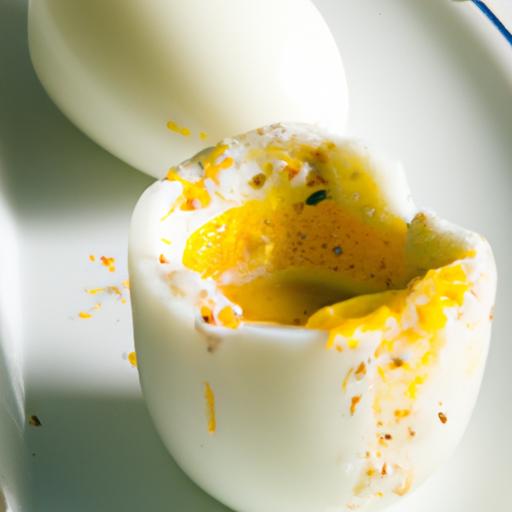

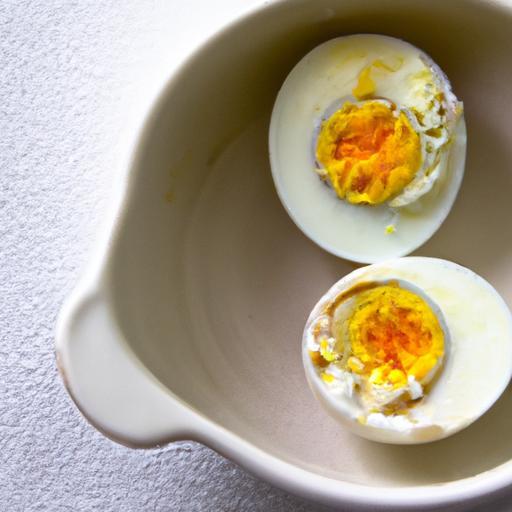
There’s something undeniably magical about cracking open a perfectly soft-boiled egg-the golden yolk spilling out like liquid sunshine,velvety and rich,embraced by tender,just-set whites. yet,achieving that flawless texture can feel like an elusive culinary art,leaving many to wonder if it’s all just luck or secret wizardry. Fear not, egg enthusiasts and curious cooks alike! In this guide, we’ll demystify the soft-boiled egg, breaking down each simple step to help you master this timeless breakfast classic. Whether you’re craving a silky addition to your morning toast or an elegant topping for salads and ramen,prepare to unlock the secrets behind a reliably perfect soft-boiled egg every single time.
Selecting the Ideal eggs for Flawless Soft-Boiled Perfection
mastering soft-boiled eggs is a delicate art, and it all begins with choosing the right eggs.Freshness is paramount-opt for eggs that are farm-fresh or purchased from trusted local sources. Fresh eggs have a tighter white and firmer yolk, which translate beautifully into silky, tender whites and luscious, runny centers. For the best results, select eggs that have been refrigerated for no longer than one week. Room temperature eggs help achieve consistent results because cold eggs shock the boiling water, creating unpredictable textures.
Timing Is Everything: Understanding the Science Behind the Perfect Cook
Soft-boiled eggs are a harmonious play between heat and time. The egg white coagulates faster than the yolk; thus, precise timing ensures the white sets just enough while leaving the yolk decadently soft. The typical sweet spot is between 5 to 7 minutes depending on egg size and starting temperature. Scientific experimentation confirms that at around 6 minutes, the yolk achieves a creamy custard-like consistency, making every bite melt in your mouth. Use a timer for accuracy-each second counts in mastering soft-boiled eggs.
Step by Step techniques to Achieve the Silky Yolk and Tender Whites
Achieving flawless soft-boiled eggs requires focus and finesse, but it’s absolutely doable for home cooks. Begin by gently lowering eggs into boiling water using a slotted spoon to avoid cracks. Maintain a gentle boil (not rolling) to prevent whites from toughening. once the timer rings, promptly transfer the eggs to an ice bath to halt cooking and set the textures perfectly. Peel under cool running water to ease shell removal without damaging the tender whites.
Essential Tips and Troubleshooting for Consistently Extraordinary Results
- Use eggs straight from the fridge or allow to warm to room temperature for even cooking.
- Fresh eggs are best but slightly older (up to a week) eggs peel easier after cooking.
- Test one egg first to dial in your personal stovetop’s boiling intensity and altitude differences.
- If yolks are too runny, add 30 seconds to the cook time; if too firm, reduce slightly.
- Consider steaming eggs as an alternative to boiling for more consistent results.
Prep and Cook Time
- Readiness Time: 3 minutes
- Cooking Time: 6 minutes
- Total time: 9 minutes
Yield
Serves 2 (2 soft-boiled eggs per person)
Difficulty Level
Easy
Ingredients
- 4 large eggs, preferably organic and fresh
- Water, enough to cover eggs by at least 1 inch
- Ice cubes (for ice bath)
- salt and pepper (to taste)
Instructions
- Bring a medium saucepan of water to a gentle boil, ensuring it’s deep enough to submerge eggs fully.
- Using a slotted spoon, carefully lower the eggs into the boiling water, being careful not to crack the shells.
- Set a timer for exactly 6 minutes for perfectly soft yolks with tender whites.
- Maintain a gentle boil, adjusting heat as needed to avoid a vigorous boil which can jostle the eggs.
- Once the timer sounds, immediately transfer eggs to a pre-prepared ice bath for at least 3 minutes to stop cooking and ease peeling.
- Peel under running water starting from the wider end were the air pocket is, gently removing the shell.
- Season with salt and freshly cracked pepper, then serve immediately for the best taste and texture.
Tips for Success
- Elevate freshness and ease peeling: Eggs that are about 5-7 days old strike a great balance between freshness and peelability.
- Altitude adjustments: If you’re cooking above sea level, increase cook time by 30 seconds to 1 minute.
- For extra flavor: Crack the eggs into a warm soy sauce or broth for a delicate umami twist.
- Make-ahead hack: Soft-boiled eggs store well peeled in an airtight container with cold water in the fridge for up to 2 days.
- Steaming alternative: Place eggs in a single layer in a steamer basket over boiling water for 6-7 minutes for similarly reliable results.
Serving Suggestions
Soft-boiled eggs shine on their own atop toasted sourdough but can also elevate breakfast bowls,ramen,or salads. Sprinkle with a pinch of flaky sea salt, cracked black pepper, and finely chopped chives or microgreens for a burst of freshness. For a gourmet touch, pair with avocado slices and a drizzle of chili oil or truffle oil. serve alongside crisp soldiers – thick-cut buttered toast strips perfect for dipping into the warm yolk. The velvety texture of the yolk combined with the delicate whites invites a comforting, hands-on eating experiance that is both nostalgic and refined.

| Nutrient | Per Egg (Large) |
|---|---|
| Calories | 70 |
| Protein | 6g |
| Carbohydrates | 1g |
| Fat | 5g |
For deeper insight into egg science and cooking techniques,visit the rigorous guide at Serious Eats to complement your soft-boiled egg mastery.
Craving more eggspiration? Check out our thorough poached egg recipe to continue your journey in egg-cooking finesse.
Q&A
Q&A: Mastering Soft-Boiled eggs – A Simple, Perfect Recipe guide
Q1: What exactly is a soft-boiled egg?
A soft-boiled egg is the humble breakfast hero with a firm white exterior and a gloriously runny yolk center. Unlike hard-boiled eggs,which are cooked until both the white and yolk set firmly,soft-boiled eggs deliver a luscious texture that’s part silky sauce,part tender egg – ideal for dipping toast soldiers or topping salads.Q2: Why should I bother mastering soft-boiled eggs?
Because once perfected,soft-boiled eggs can elevate your morning ritual,lunch bowl,or even a gourmet dinner. They’re quick to make, endlessly versatile, and pair beautifully with everything from avocado toast to ramen.Plus, nailing the timing means you get that decadent yolk every single time – no guesswork, no disappointment.
Q3: What’s the secret to achieving the perfect soft boil?
Timing, temperature, and egg quality are your holy trinity. Start with fresh eggs at room temperature. Bring water to a gentle boil, carefully lower your eggs in, and set a timer – usually around 5 to 6 minutes depending on size and altitude. Immediately plunge your eggs into an ice bath to stop cooking and make peeling a breeze.
Q4: Can I use any type of eggs for soft boiling?
Absolutely! While farm-fresh eggs offer richer flavor and easier peeling, ordinary grocery store eggs work perfectly fine too. Just keep in mind fresher eggs sometimes cling more to the shell, which can make peeling a bit trickier.
Q5: How do I peel soft-boiled eggs without breaking the delicate whites?
Tap the egg gently all over to crack the shell, then peel under running water or in a bowl of water. The water seeps between shell and membrane, helping release the shell without tearing into the tender whites. patience and a soft touch are key.Q6: What are some creative ways to serve soft-boiled eggs?
The silky yolk acts like edible gold – drizzle it over buttered toast soldiers for nostalgic fun, serve atop grain bowls for creamy richness, or halve and sprinkle with smoked paprika, sea salt, and chopped herbs as a simple yet elegant snack. Soft-boiled eggs also shine when nestled in noodles, atop roasted veggies, or chopped into salads.Q7: Is there a foolproof method for timing the cooking?
Yes! Use a kitchen timer and rely on your stopwatch, not your instincts. For large eggs, 5 minutes will yield a perfectly runny yolk, while 6 minutes gives you a slightly more custardy center. adjust accordingly if your eggs are smaller or larger, or if you’re cooking at a high altitude.
Q8: can I prepare soft-boiled eggs ahead of time?
Soft-boiled eggs are best enjoyed fresh and warm. However, you can make them ahead and store in their shells in the refrigerator for up to 24 hours. To reheat, dip in hot water for about a minute – but be warned, the yolk may thicken and lose some of its silky magic.
Q9: What common mistakes should I avoid?
Avoid plunging cold eggs straight from the fridge into boiling water-this can cause cracking. don’t skip the ice bath, or your eggs will keep cooking and become firmer than intended. And most importantly, don’t guess on time – it’s a precise art where every second counts.Q10: Any tips for beginners trying soft-boiled eggs for the first time?
start simple: use room-temperature eggs, bring water to a gentle boil, and set a timer for 5 minutes. Have an ice bath ready before you start cooking. Once peeled, enjoy them immediately while the whites are tender and yolks runny. Perfect practice makes perfect, so keep trying – soon you’ll be cracking soft-boiled eggs like a seasoned pro!
Mastering the art of soft-boiled eggs isn’t just cooking – it’s a delightful ritual that brings simple ingredients to life.With this guide, you’re just minutes away from perfect yolky happiness. Happy boiling!
In Summary
With the simple techniques and tips shared in this guide,mastering the art of the soft-boiled egg is no longer a kitchen mystery but a delicious reality. Whether you’re elevating your breakfast or adding a velvety touch to salads and ramen, these golden-hued gems promise a perfect balance of creamy yolk and tender whites every time. So grab your timer, boil that water, and embark on your own egg-cellent adventure-because the perfectly soft-boiled egg is not just a recipe, it’s a skill worth savoring.