
Beneath its delicate, flaky exterior and rich, cream-filled layers lies a story as captivating as the Napoleon cake itself. Ofen mistaken for a simple dessert,Napoleon cake is a culinary masterpiece that weaves together centuries of history,culture,and craftsmanship. From its mysterious origins and evolving recipes to the meticulous layering that creates its signature texture,the cake invites both the curious and the gourmand to peel back each sumptuous stratum. In this article, we unwrap the tale behind Napoleon cake-exploring how tradition and taste have combined to make this layered delight an enduring symbol of indulgence and artistry.
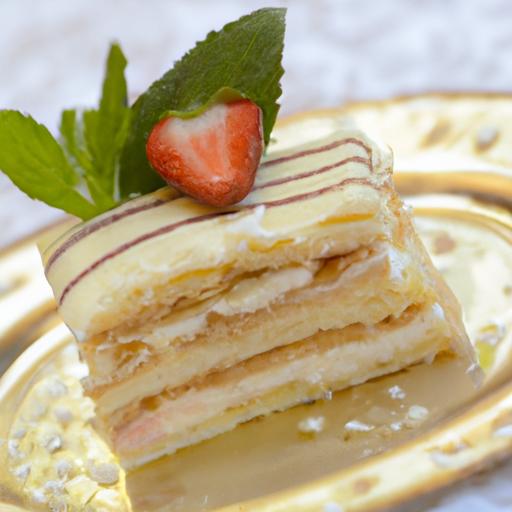
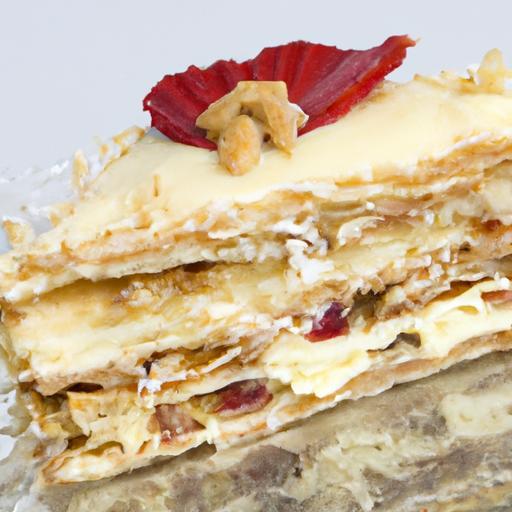
Napoleon Cake Unwrapped reveals a dessert as rich in history as it is in layers, inviting you to explore the fascinating origins and delicate craftsmanship behind this iconic confection. Its name teeters on legend, often linked to the famed French emperor napoleon Bonaparte, though the cake’s true roots trace elegantly through Russian and French patisserie traditions. each slice tells a story-of buttery, crisp puff pastry gracefully interlaced with velvety vanilla custard, culminating in a harmony of textures that delight the senses with every forkful.
Prep and Cook Time
- Preparation: 1 hour 30 minutes (including chilling time)
- Cooking: 40 minutes
- Total: 2 hours 10 minutes
Yield
Serves 8-10 slices
difficulty Level
Medium – Best tackled with patience and attention to detail for perfect flaky layers
Ingredients
- For the Puff Pastry Layers:
- 2 ½ cups all-purpose flour, sifted
- 1 tsp salt
- 1 cup unsalted butter, cold and cubed
- ½ cup cold water
- 1 tsp white vinegar
- For the Custard Filling:
- 4 cups whole milk
- 1 ½ cups granulated sugar
- 6 large egg yolks
- ½ cup all-purpose flour
- 3 tbsp cornstarch
- 2 tsp pure vanilla extract
- 4 tbsp unsalted butter, softened
- For the Topping:
- Powdered sugar for dusting
- Optional: crushed toasted almonds or puff pastry scraps
Instructions
- Prepare the Puff Pastry: In a large bowl, whisk together the flour and salt.Using a pastry cutter or fingertips, incorporate the cold butter until the mixture resembles coarse crumbs with pea-sized pieces.
- Mix cold water and vinegar in a small bowl, then gradually add to the flour mixture, gently bringing the dough together without overworking. Shape into a ball, cover with plastic wrap, and refrigerate for at least 1 hour.
- Divide chilled dough into 6 equal parts. Roll each into a thin 9-inch circle on a floured surface. Prick all over with a fork to prevent puffing and bake on parchment-lined sheets at 400°F (200°C) for 8-10 minutes or until golden. Save any scraps for decorating later.
- Make the Custard: in a saucepan, bring milk just to a simmer over medium heat.
- Simultaneously occurring, whisk together the sugar, egg yolks, flour, and cornstarch in a bowl until smooth and pale.
- Temper the egg mixture by slowly adding about a cup of hot milk while whisking continuously, then pour everything back into the saucepan. Cook over medium heat, whisking constantly until thickened and bubbling, about 5 minutes.
- Remove from heat,stir in vanilla extract and butter until silky smooth. Cover with plastic wrap directly on the custard surface to avoid a skin forming and chill until cool.
- Assemble the Cake: Place the first puff pastry layer on a serving board. Spread a generous ½ cup of custard over the layer. Repeat layering until all pastry and custard are used, finishing with a pastry layer on top.
- Crush baked pastry scraps and sprinkle on the top or dust with fine powdered sugar for an elegant finish.
- Refrigerate for at least 6 hours, or overnight, to allow flavors to meld and layers to soften delicately before serving.
Tips for Success
- For a shortcut, use store-bought puff pastry, but homemade elevates the cake’s delicate flakiness.
- Whisk custard constantly to prevent lumps and avoid burning on the bottom.
- Assemble gently to maintain defined layers-using an offset spatula helps with smooth custard spreading.
- Chilling overnight is crucial; it allows the pastry to soften while retaining its lovely layered texture.
- Try adding a hint of almond or citrus zest to the custard for a personalized twist.
Serving Suggestions
Slice cleanly with a sharp serrated knife to showcase the stunning, multi-layered interior. Serve on elegant plates dusted lightly with powdered sugar. Complement with fresh berries or a dollop of whipped cream to enhance the creamy custard. For a festive touch, garnish with toasted almonds that add crunch and a subtle nutty aroma, creating a sensory masterpiece perfect for celebrations or an indulgent afternoon treat.

| Nutrient | Per Serving |
|---|---|
| Calories | 450 kcal |
| Protein | 7 g |
| Carbohydrates | 48 g |
| Fat | 25 g |
Pairing Recommendations Enhancing the Napoleon experience
The intricate flavors of this napoleon Cake Unwrapped find perfect companions in beverages that balance its richness. A lightly brewed aromatic black coffee cuts through the custard’s creaminess, while a delicate green tea refreshes the palate. For wine lovers, a chilled glass of Moscato or late-harvest Riesling offers a subtle sweetness echoing the dessert’s smooth vanilla notes. Fresh fruit juices, like tart pomegranate or shining lemon, provide a tantalizing contrast, turning yoru Napoleon experience into a multisensory party.
Explore how puff pastry and custard unite with sweet tradition in our guide to European traditional desserts to deepen your knowledge and elevate your home baking prowess.
Q&A
Q&A: Napoleon Cake Unwrapped: History and Heavenly Layers
Q1: What exactly is Napoleon cake?
A1: Napoleon cake is a luscious, multilayered dessert made of thin, flaky pastry sheets alternated with rich pastry cream, often dusted with powdered sugar or topped with icing. Known for its delicate crunch and creamy indulgence, it’s a symphony of textures and flavors in every bite.
Q2: Where did Napoleon cake originate?
A2: Despite its French-sounding name, the origins of Napoleon cake are somewhat mysterious and debated. Many historians trace it back to Russia or France in the 19th century. Its resemblance to the French mille-feuille-meaning “a thousand leaves”-suggests a French inspiration, but the Russian version evolved into a uniquely rich and celebratory dessert.
Q3: Why is it called “Napoleon” cake?
A3: The name ”Napoleon” likely draws from the French emperor Napoleon Bonaparte, but the exact reason remains a tasty mystery. Some speculate the cake’s layered structure symbolizes the layers of napoleon’s empire, while others believe the name was adapted to add a touch of royal grandeur and allure.
Q4: How is Napoleon cake traditionally made?
A4: Traditionally, chefs prepare multiple layers of crisp puff pastry, baked to golden perfection. Each pastry sheet is then generously spread with smooth, velvety pastry cream (crème pâtissière).The layers are stacked carefully, chilled to set, and often decorated with powdered sugar, toasted nuts, or delicate icing patterns.
Q5: What makes Napoleon cake different from other layered cakes?
A5: Unlike typical sponge cakes that rely on soft cake layers and frosting, Napoleon cake stands out with its contrast between crispy pastry and thick, creamy filling. The interplay between flaky pastry and luscious cream creates a delightful balance, making it both light and decadently satisfying.
Q6: Are there regional variations of Napoleon cake?
A6: Absolutely! In Russia, the cake is often richer and creamier, sometimes incorporating sour cream or condensed milk.In France,the mille-feuille remains lighter with whipped cream or custard. Some Eastern European versions add jam or fresh fruits for an extra layer of flavor.
Q7: can Napoleon cake be made at home?
A7: Yes, brave bakers can tackle making Napoleon cake at home, though it requires patience. The key is to bake thin, even puff pastry layers and whip up a smooth pastry cream. Assembly involves layering and chilling, but the rewarding taste of homemade Napoleon cake is well worth the effort!
Q8: What occasions are best suited for serving Napoleon cake?
A8: Napoleon cake is perfect for special celebrations-birthdays, weddings, holidays-or any time you want to impress guests with an elegant dessert. its intricate layers and rich flavors make it a showstopper centerpiece.
Q9: How shoudl Napoleon cake be stored?
A9: Since it contains cream, napoleon cake should be refrigerated and consumed within a few days. Storing it covered helps keep the pastry layers from absorbing too much moisture and losing their crunch.
Q10: Why does Napoleon cake remain so popular today?
A10: Its enduring popularity lies in the cake’s artful complexity-beautiful layers, contrasting textures, and regal sweetness evoke a sense of history and indulgence.Napoleon cake continues to enchant dessert lovers worldwide, bridging the gap between tradition and timeless taste.
In Summary
As the final crumb settles and the last forkful of Napoleon cake disappears,we’re reminded that this layered marvel is more than just a dessert-it’s a delicious tapestry woven with history,culture,and artistry. From its mysterious origins to the delicate dance of puff pastry and cream,Napoleon cake invites us to savor not onyl its heavenly flavors but also the rich stories folded within each bite.so next time you indulge in this iconic treat, remember: you’re tasting centuries of tradition, one exquisite layer at a time.