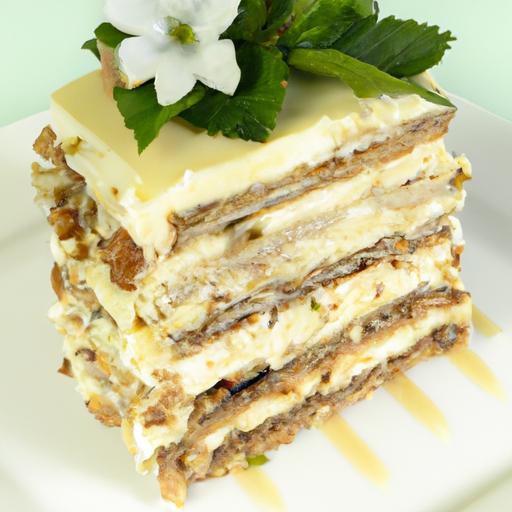

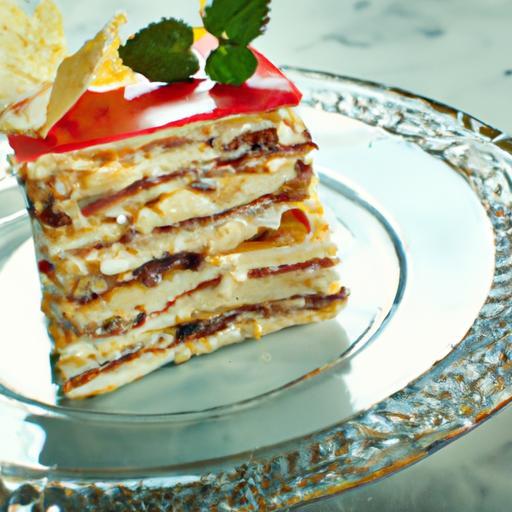
Beneath it’s delicate, flaky crust and the lush cream that melts on the tongue lies a story as rich and layered as the Napoleon cake itself. This beloved dessert, steeped in history and culinary artistry, invites us to explore more than just its sweet symphony of flavors. “Napoleon Cake Unveiled: History and Layers of Delight” embarks on a journey through time and taste, revealing the origins, cultural twists, and the meticulous craft behind every luscious slice. Join us as we peel back the layers of this iconic cake, uncovering the secrets that have made it a timeless indulgence across generations and continents.
napoleon Cake Unveiled: History and Layers of Delight carries the rich legacy of an exquisite dessert that has captivated palates for centuries. This iconic confection, also known as Mille-feuille in French, boasts a storied past that intertwines french patisserie finesse with Imperial Russian grandeur. Each flaky, golden layer paired with its luscious cream filling tells a unique tale, embodying both cultural artistry and culinary innovation.
Prep and Cook Time
- Readiness: 1 hour 30 minutes (includes dough chilling and cream chilling)
- Cooking: 40 minutes (baking the puff pastry sheets)
- Total Time: Approximately 2 hours 10 minutes
Yield
Serves 8 generously-sized slices
Difficulty Level
Advanced – mastering puff pastry and layering techniques
Ingredients
- For the Puff Pastry Layers:
- 2 ½ cups (320g) all-purpose flour, sifted
- 1 tsp fine sea salt
- 1 cup (225g) unsalted butter, cold and cut into cubes
- 2/3 cup (160ml) cold water, plus extra if needed
- 1 tsp white vinegar or lemon juice
- For the Pastry Cream Filling:
- 4 cups (1 liter) whole milk
- 1 cup (200g) granulated sugar
- 1 vanilla bean, split or 2 tsp pure vanilla extract
- 8 large egg yolks
- ½ cup (65g) cornstarch
- 4 tbsp (55g) unsalted butter, softened
- For the Topping:
- Powdered sugar, for dusting
- Optional: melted dark chocolate for drizzle
Instructions
- prepare the puff pastry dough: In a large bowl, whisk together the flour and salt. add the cold butter cubes and use a pastry cutter or fingers to combine until the mixture resembles coarse crumbs with some pea-sized butter pieces. mix water and vinegar in a small bowl, then gradually add to the flour mixture, stirring with a fork until dough just starts to come together.
- Form and chill the dough: Shape dough into a rough square,wrap tightly in plastic wrap,and refrigerate for at least 1 hour. This resting helps hydrate the flour and keep the butter firm for perfect puff layers.
- Roll and fold the dough: On a lightly floured surface, roll dough into a 20×10-inch rectangle. Fold into thirds like a letter, rotate 90°, and repeat rolling and folding two more times. Wrap and chill for 30 minutes. This lamination builds the delicate, flaky texture unique to Napoleon cake.
- Bake the puff pastry layers: Preheat oven to 400°F (200°C). Roll dough to about 1/8 inch thickness and cut into three even rectangles. Prick all over with a fork to prevent air bubbles. Place on parchment-lined sheets and bake 15-20 minutes or until puffed and golden brown.Cool completely before assembly.
- Make the pastry cream: In a medium saucepan, heat milk and vanilla bean pod (or extract) until just boiling. In a separate bowl, whisk egg yolks, sugar, and cornstarch until pale and smooth.
- Temper the eggs: Slowly pour 1 cup hot milk into egg mixture, whisking constantly to avoid curdling. Return mixture to saucepan and cook over medium heat, stirring constantly until thickened and bubbling (about 2-3 minutes). Remove from heat and stir in butter until silky.
- Cool the pastry cream: transfer cream to a bowl, cover with plastic wrap directly on the surface to prevent skin, and chill for at least 2 hours or overnight.
- Assemble the cake: Place one puff pastry rectangle on a serving plate. Spread an even layer (about 1/3) of chilled pastry cream. Repeat with the second and third layers, finishing with pastry cream on top.
- Chill to set: refrigerate the assembled Napoleon cake for at least 4 hours or preferably overnight. This allows layers to meld, creating a harmonious balance of crunch and cream.
- finish and serve: Dust the cake with powdered sugar and, if desired, drizzle with melted dark chocolate for contrast and elegant flair. Slice gently with a serrated knife for clean layers in every bite.
Expert Tips for Selecting Ingredients and Presentation
Butter quality is paramount: the better the butter,the flakier and more flavorful the crust. Opt for European-style butter with higher fat content for optimal richness.
When choosing milk for the pastry cream,whole milk ensures creaminess,but for a lighter option,substitute half with cream or use a 2% blend. Always infuse real vanilla for an authentic aroma that elevates each layer.
Don’t rush the chilling phases-both for dough and assembled cake. Patience is critical to achieve perfect separation between crisp puff layers and smooth filling.
Presentation is art-consider garnishing with edible flowers, fresh berries, or delicate gold leaf to enhance the visual spectacle of this layered delight.
Serving Suggestions
Serve chilled to enjoy the contrast of the flaky puff pastry and cool, creamy filling. Pair with a cup of lightly brewed green or black tea to balance the cake’s richness. For festive occasions, accompany with a raspberry coulis or fresh whipped cream dotted with mint for refreshing accents.

| Nutrient | Per Serving |
|---|---|
| Calories | 350 kcal |
| Protein | 6 g |
| Carbohydrates | 40 g |
| Fat | 18 g |
For more creative French desserts and heavenly pastries, explore our detailed post on Classic french Crème Brûlée. Elevate your pastry repertoire with trusted culinary inspiration.
For a ancient deep-dive on the origins of puff pastry and its baking science, refer to the extensive guide by Serious Eats, a reliable culinary resource that perfectly complements your knowlege of Napoleon Cake Unveiled: History and Layers of delight.
Q&A
Q&A: Napoleon Cake Unveiled: History and Layers of Delight
Q1: What exactly is a Napoleon cake?
A1: Often mistaken for simply a decadent pastry, Napoleon Cake is a symphony of crisp, buttery puff pastry layers generously filled with rich, creamy custard or pastry cream. Each bite offers a perfect harmony of flaky texture and luscious sweetness, creating an indulgence that’s both elegant and comforting.
Q2: Where did the Napoleon Cake originate?
A2: While its name might evoke images of the French emperor himself, Napoleon Cake’s origins are actually more complex.The dessert is believed to have evolved from the French “mille-feuille” - meaning “a thousand leaves” - referring to its many layers.Over time, especially in Russia and Eastern europe, it took on a unique identity and flavor profile, becoming a beloved celebratory treat.Q3: Why is it called “Napoleon” if it’s related to French mille-feuille?
A3: The name “Napoleon” is a linguistic twist.Some suggest it arose from the Russian adaptation of “Napolitain,” a nod to Naples-style cakes brought through European culinary exchange. Others speculate the name was simply inspired by the grandeur associated with Napoleon Bonaparte, conjuring an image of a dessert as majestic as the emperor himself.
Q4: What makes Napoleon Cake’s layers so distinctive?
A4: The magic lies in the puff pastry’s flaky, buttery strata that create a delicate crunch, paired with smooth, velvety custard or cream layers. Typically, the pastry is baked until golden and crisp, then alternated with multiple layers of cream. The interplay between texture and taste is what transforms a simple cake into a layered masterpiece.
Q5: Are there any unique regional twists on Napoleon Cake?
A5: Absolutely! In Russia and former Soviet countries, Napoleon Cake often features sour cream or condensed milk in its filling for a tangier, richer taste. Sometimes fruits or nuts are added to enhance flavor complexity. Simultaneously occurring, in Western Europe, the mille-feuille tends to emphasize vanilla pastry cream with a glossy icing on top.
Q6: How is Napoleon cake traditionally served?
A6: This cake is typically sliced into modest portions due to its richness, making it a perfect companion to tea or coffee. It’s a centerpiece at celebrations – birthdays,weddings,or holidays – where its impressive layered appearance signifies indulgence and festivity.
Q7: Can Napoleon cake be made at home, or is it better left to the professionals?
A7: while crafting perfect puff pastry from scratch requires patience and precision, modern shortcuts like store-bought puff pastry make home-baking napoleon Cake quite achievable. With a basic custard recipe and some care stacking the layers,bakers can create their own ”thousand leaves” of delight,impressing friends and family alike.
Q8: Why has Napoleon Cake stood the test of time?
A8: Its timeless charm lies in the balance of textures and flavors – flaky meets creamy, subtle sweetness meets buttery richness. The cake appeals to the senses and evokes nostalgia, making it more than just dessert: it’s a cultural heirloom, a piece of edible history layered with stories as rich as its filling.
Insights and Conclusions
As we lift the final slice of Napoleon cake from its layered symphony, we uncover more than just a dessert – we reveal a rich tapestry woven with history, culture, and culinary artistry. Each delicate puff and velvety cream layer tells a story that transcends time and borders,inviting us to savor not only its flavors but the centuries of tradition behind them. Whether enjoyed in a Parisian café, a Russian bakery, or your own kitchen, Napoleon cake remains a timeless testament to the joy found in craftsmanship and the simple pleasure of layers unfolding in every bite. So next time you indulge, remember: you’re not just tasting a cake, you’re experiencing a flavorful slice of history.