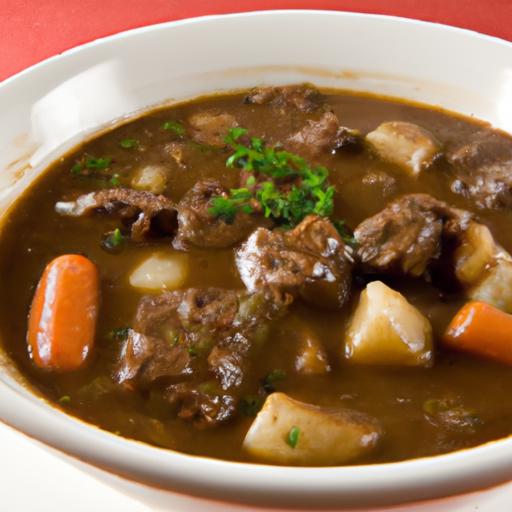

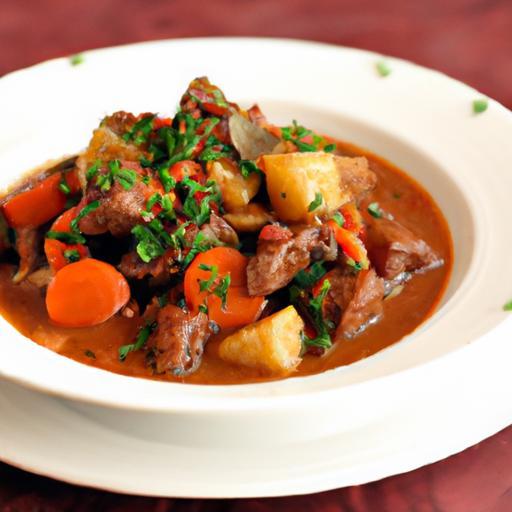
There’s something undeniably magical about a hearty old-fashioned beef stew-a dish that transcends generations,warming both body and soul with its rich,savory depths. Rooted in tradition yet endlessly adaptable, this classic comfort food embodies teh very essence of homestyle cooking. In this article, we’ll journey through the art of crafting the perfect beef stew, exploring time-honored techniques and essential ingredients that transform humble cuts of meat and simple vegetables into a bubbling pot of timeless comfort. Whether you’re a seasoned cook or a curious beginner, prepare to unlock the secrets behind a stew that’s as nourishing as it is indeed nostalgic.
Timeless Comfort: Crafting the Perfect Old-Fashioned Beef Stew begins with selecting the right beef cut to guarantee tender, melt-in-your-mouth results that invite you back to your grandmother’s kitchen. Choosing cuts like chuck roast or brisket,known for their marbling and connective tissue,creates a rich,savory base that transforms through slow simmering into a hearty stew. Layering fresh herbs and aromatics infuses the broth with depth, making every spoonful a complex symphony of flavor that feels both nostalgic and nourishing.
Prep and Cook Time
- Preparation: 25 minutes
- Cooking: 2 hours 45 minutes
- Total Time: 3 hours 10 minutes
Yield
Serves 6 generous portions
Difficulty Level
Medium – Perfect for home cooks ready to elevate their stew game
Ingredients
- 2 pounds beef chuck roast, cut into 1 ½-inch cubes
- 1 cup all-purpose flour, sifted
- 3 tablespoons olive oil, divided
- 1 large onion, finely chopped
- 4 cloves garlic, minced
- 3 medium carrots, peeled and sliced into rounds
- 2 stalks celery, diced
- 2 cups baby potatoes, halved
- 4 cups beef broth, preferably low-sodium
- 1 cup dry red wine (optional, but recommended)
- 2 sprigs fresh rosemary
- 3 sprigs fresh thyme
- 2 bay leaves
- Salt and freshly ground black pepper to taste
- 2 tablespoons tomato paste
- Chopped fresh parsley for garnish
Instructions
- toss the beef cubes in sifted flour seasoned with salt and pepper until lightly coated. Shake off excess flour to ensure a thin, even crust.
- In a heavy-bottomed Dutch oven or large pot, heat 2 tablespoons olive oil over medium-high heat.Brown the beef in batches, searing each side until golden (about 5 minutes per batch). Remove beef and set aside.
- Reduce heat to medium. Add remaining olive oil, then sauté the onion, carrots, and celery until soft and fragrant, about 6 minutes. Stir in the garlic and cook an additional minute to release its aroma.
- Stir in tomato paste and cook for 2 minutes, allowing it to caramelize slightly and deepen the stew’s flavor profile.
- Pour in the red wine and deglaze the pot, scraping brown bits from the bottom with a wooden spoon to build richness.
- Add back the browned beef along with beef broth, potatoes, rosemary, thyme, and bay leaves. Bring mixture to a gentle boil.
- Lower heat to a very gentle simmer and cover. Cook slow and low for about 2 to 2 ½ hours, stirring occasionally, until the beef is fork-tender and the broth has thickened into a velvety sauce.
- Season with salt and freshly ground pepper to taste. Remove bay leaves and herb stems before serving.
Tips for Success
- Choosing your beef: Chuck roast is ideal for stew because the intramuscular fat renders slowly, tenderizing the meat beautifully. Alternate cuts like brisket or short ribs also work wonderfully.
- Herbs and aromatics: Fresh rosemary and thyme infuse earthy notes. If fresh unavailable,use dried herbs but reduce quantity by half.
- Slow simmering: Resist the urge to turn up the heat. Patience ensures connective tissue breaks down and flavors meld.
- Make ahead: Stew tastes even better the next day once flavors meld overnight. reheat gently over low heat with a splash of broth if needed.
- Thickening: If the stew is too thin, simmer uncovered for 10-15 minutes or whisk in a slurry of cornstarch and cold water for a glossy finish.
Serving Suggestions
Serve piping hot with a sprinkle of chopped fresh parsley to brighten the deep stew colors. Complement with creamy mashed potatoes or rustic crusty bread to soak up the luscious sauce. For a more decadent finish, a dollop of sour cream or a sprinkle of aged cheddar can add luxury to this classic comfort dish.

| Nutrient | Amount Per Serving |
|---|---|
| Calories | 410 kcal |
| Protein | 38 g |
| Carbohydrates | 20 g |
| Fat | 18 g |
Discover More Timeless Recipes
Experience other comforting dishes with our slow cooker classics collection. For cooking techniques and beef selection tips, visit Beef. It’s What’s For Dinner.
Q&A
Q&A: Timeless comfort – Crafting the Perfect Old-Fashioned Beef Stew
Q1: What makes an old-fashioned beef stew “timeless”?
A1: The magic lies in its simplicity and soul-warming qualities. An old-fashioned beef stew is a culinary embrace-layers of tender beef, earthy root vegetables, and a rich, savory broth slowly melded together over gentle heat. It’s a dish that transcends generations, evoking memories of family dinners, crackling fireplaces, and the comfort of home-cooked love.
Q2: what cuts of beef work best for a traditional stew?
A2: Tougher cuts like chuck roast, brisket, or round are the champions here. Though they might seem intimidating at first with their sinewy textures,these cuts reward patience by breaking down into tender,juicy morsels during slow,gentle cooking. Their marbled fat enriches the stew, infusing it with deep, beefy flavor.
Q3: How meaningful is the browning step in stew preparation?
A3: Browning is essential-it’s where flavor begins to bloom. The Maillard reaction that occurs while searing the beef creates complex aromas and a savory depth that no amount of seasoning can replicate. Think of it as building the stew’s foundation; skip this, and the stew might taste flat.
Q4: Can the vegetables be customized, or should one stick to classics like carrots and potatoes?
A4: While the classics-carrots, potatoes, celery, and onions-are beloved for their comforting textures and flavors, the stew welcomes creativity. Parsnips, turnips, mushrooms, or even sweet potatoes can bring interesting twists. The key is choosing hearty vegetables that hold their shape during long cooking,maintaining the stew’s rustic charm.
Q5: What role does the liquid play, and what are ideal options for the broth?
A5: The liquid is the stew’s soul, marrying all ingredients into a cohesive whole. Traditionalists often reach for beef stock or broth, sometimes enriched with a splash of red wine for acidity and complexity.water works in a pinch but lacks depth. The cooking time allows flavors to intensify, so quality broth elevates the dish considerably.
Q6: How long should the stew simmer, and why is slow cooking preferred?
A6: Patience is a cook’s best ally. A slow simmer-often 2 to 3 hours-allows collagen in the beef to transform into luscious gelatin, making the meat tender and the broth silky. Rushing the process risks chewy beef and a lackluster,watery sauce. Slow cooking is the alchemy turning humble ingredients into a masterpiece of comfort.
Q7: Are there any secret touches that bring an old-fashioned stew to the next level?
A7: Absolutely! A sprinkle of fresh herbs like thyme or rosemary adds brightness, while a dash of Worcestershire sauce or tomato paste introduces an umami punch. For finishers, a pat of butter swirled in at the end can add richness. Don’t forget seasoning at every step-it’s what turns good into unforgettable.
Q8: How can one serve and enjoy this classic stew?
A8: Serve it steaming hot in a deep bowl, accompanied by rustic bread to soak up every luscious drop. Pair with a simple green salad or pickled vegetables for contrast. This stew is best enjoyed slowly, savoring the warmth and heartiness-each spoonful a quiet nod to timeless comfort.
Insights and Conclusions
As the rich aroma of simmered beef,tender vegetables,and fragrant herbs fills your kitchen,you realize that crafting the perfect old-fashioned beef stew is more than just a recipe-it’s a comforting ritual that connects us to generations past. This timeless dish invites you to slow down, savor simplicity, and embrace the warmth of home-cooked tradition. Whether shared around a bustling family table or enjoyed solo on a quiet evening, your stew is a testament to patience, love, and the enduring magic of comfort food. So grab your favorite pot, gather your ingredients, and let the slow, soulful journey of creating this classic stew become your own appetizing story.