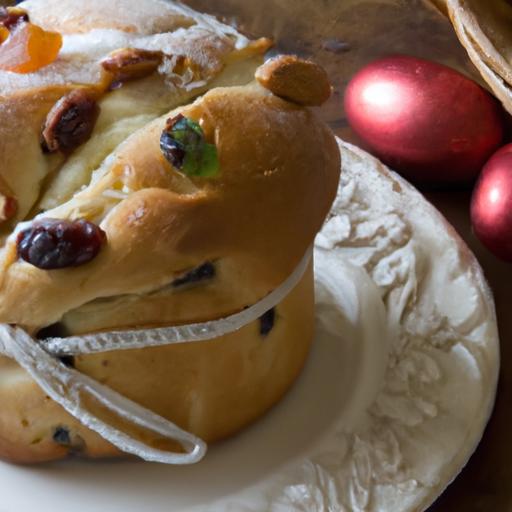

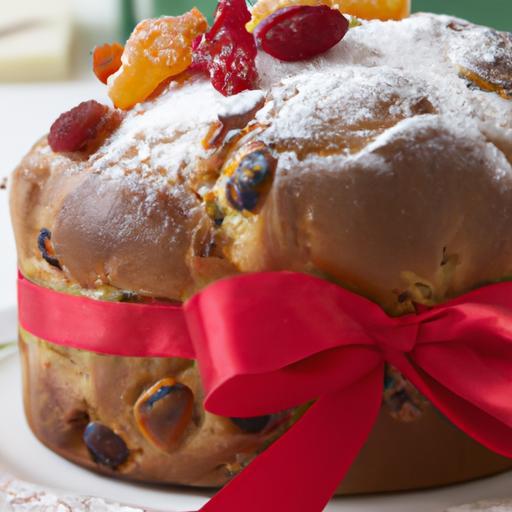
In the heart of winter’s glow, as holiday lights twinkle and kitchens fill with the scent of cinnamon and citrus, one timeless Italian treasure takes center stage: the panettone. More than just a sweet bread, this golden, fruit-studded marvel carries with it centuries of history, culture, and craftsmanship. Panettone Unwrapped: The Sweet rise of Italian tradition invites you on a flavorful journey to discover how this iconic cake rose from humble beginnings to become a global symbol of celebration, warmth, and festive cheer. Join us as we unravel the layers of its rich past, its painstakingly perfected recipe, and the enduring magic that continues to make panettone a beloved holiday hallmark around the world.
Panettone Unwrapped takes us on a journey through the centuries-old tradition of italy’s beloved sweet bread-a symbol of festive joy and artisanal mastery. Originating in Milan during the Renaissance, this fluffy, dome-shaped delight has evolved far beyond its humble beginnings. Rich with candied citrus, raisins, and a delicate crumb, panettone captures the essence of Italian heritage and innovation. Whether you seek to recreate the classic or explore its regional twists, the enchanting process of crafting panettone unveils the perfect harmony of art and science in breadmaking.
Prep and Cook Time
- Readiness: 30 minutes (plus 18-24 hours total rising time)
- Baking: 50-60 minutes
- Total Time: Approximately 20 hours (including fermentation)
Yield
- 1 large panettone (about 10 inches tall, serving 8-10)
Difficulty Level
- Advanced – requires patience and precise timing to achieve the perfect rise and crumb
Ingredients
- 500g (4 cups) all-purpose flour, sifted
- 150g (¾ cup) granulated sugar
- 150g (10 tbsp) unsalted butter, softened
- 4 large eggs, at room temperature
- 150ml (⅔ cup) whole milk, warm (about 90°F/32°C)
- 25g (2 tbsp) fresh yeast or 7g (2¼ tsp) active dry yeast
- 1 tsp salt
- 200g (1¼ cups) mixed dried fruit – traditionally candied orange peel, citron, lemon zest, and raisins
- 1 tbsp honey
- 1 tsp vanilla extract
- Zest of 1 lemon and 1 orange
- 1 tbsp rum or a splash of orange liqueur (optional)
Instructions
- Activate the yeast: In a small bowl, dissolve the yeast in warm milk with a teaspoon of sugar. Let it rest for 10 minutes until frothy,signaling active yeast.
- Prepare the starter dough: Combine 100g flour, 1 egg, and the activated yeast mixture in a stand mixer bowl. Knead with the dough hook on low speed until elastic, about 8 minutes. Cover with a towel and let rise in a warm place for 2 hours until doubled.
- Mix the main dough: Add the remaining flour, sugar, salt, eggs, honey, butter, zest, vanilla extract, and optional rum to the starter. Knead on medium speed for 15 minutes until silky and slightly sticky. The dough should stretch without tearing (windowpane test).
- First rise: Transfer the dough to a lightly greased bowl, cover tightly, and refrigerate overnight (12-18 hours). This slow fermentation deepens flavor and texture.
- Incorporate the fruit: Remove dough from fridge, let it warm slightly. Gently fold in the mixed dried fruit with a spatula, ensuring even distribution without overworking.
- Shape and second rise: Shape the dough into a tight ball and place it inside a paper panettone mold or a tall, round baking pan lined with parchment. Cover loosely and let rise at room temperature for 4-6 hours until it reaches the top of the mold (the dough should feel light and airy to the touch).
- Preheat and bake: Preheat your oven to 175°C (350°F). Bake the panettone for 50-60 minutes. If it browns too quickly, tent with aluminum foil after 30 minutes. Internal temperature should reach 90°C (195°F) when done.
- Cool upside down: Pierce the bottom of the panettone with two long skewers and suspend it upside down between two surfaces (like the backs of two chairs). Cool completely this way to preserve the dome shape and prevent collapse.
Tips for Success
- Use high-quality butter and fresh yeast for the richest flavor and best rise.
- Patience is key: The long fermentation builds flavor and delivers a light, airy crumb.
- Humidity matters: Slightly humid proofing conditions help prevent dry crust.
- Fruit options: Soak raisins in warm rum for extra depth,or experiment with dried cherries and apricots.
- Make ahead: Panettone improves after resting wrapped airtight for 1-2 days.
Serving Suggestions
Slice panettone with a serrated knife to reveal its golden, tender interior dotted with vibrant fruit jewels. Serve slightly warmed with a dusting of powdered sugar or alongside a dollop of mascarpone cream.for an authentic Italian experience, pair it with a glass of Vin santo or a rich espresso. garnish with fresh orange zest and a sprig of mint for festive elegance.

Panettone Nutritional Facts
| Nutrient | per serving (100g) |
|---|---|
| Calories | 350 kcal |
| Protein | 6 g |
| Carbohydrates | 58 g |
| Fat | 9 g |
For those eager to explore more intricate Italian desserts or holiday breads, visit our Italian Desserts guide. Learn deeper traditions and contemporary twists beside this sweet treat. also, discover the rich history of panettone’s rise from the Encyclopaedia Britannica’s overview.
Q&A
Q&A: Panettone Unwrapped – The Sweet rise of Italian Tradition
Q1: What is Panettone, and why is it so iconic in Italian culture?
A1: Panettone is a tall, dome-shaped sweet bread studded with candied fruits and raisins, originating from Milan, Italy. Traditionally enjoyed during Christmas and New Year, it’s more than just a dessert; it’s a symbol of celebration, family gatherings, and festive warmth. Its unique fluffy texture and rich history make Panettone an Italian icon that carries stories of tradition through every bite.
Q2: How did Panettone come to be? What’s the story behind its rise?
A2: Legend tells of a young Milanese nobleman who fell in love with the baker’s daughter and disguised himself as an apprentice named Toni to win her heart. The sweet bread they created together was dubbed “Pane di Toni” – eventually becoming “Panettone.” Beyond folklore,Panettone’s rise owes much to Renaissance Milan,where noble courts cherished its delicate texture,and 20th-century industrial innovations made it a holiday staple worldwide.
Q3: What makes Panettone different from other holiday breads?
A3: Unlike typical holiday breads, Panettone relies on a slow, natural yeast fermentation process that can last several days, creating its characteristic airy, tender crumb. It’s enriched with butter, eggs, and a blend of citrus zest, raisins, and candied fruits-offering layers of flavor that dance between sweet, tangy, and buttery notes. Its distinctive tall, vaulted shape is the crowning glory that sets it apart visually and texturally.
Q4: How is Panettone traditionally made?
A4: Traditional Panettone is a labour of love that begins with a complex sourdough starter known as “lievito madre.” Bakers nurture this natural yeast for days, mixing it with flour, sugar, butter, eggs, and the precious candied fruits. After careful kneading and multiple rises, the dough is shaped into tall molds and baked slowly, resulting in a loaf that’s moist and delicately sweet with a golden crust.
Q5: Are there modern twists on Panettone?
A5: Absolutely! While purists cherish the classic recipe, contemporary bakers experiment endlessly-with fillings like chocolate chips, pistachios, or even savory variations. Artisanal producers infuse it with unique flavors like matcha, espresso, or exotic dried fruits. Moreover, vegan and gluten-free Panettones are emerging, ensuring this beloved tradition continues evolving and delighting new generations.
Q6: How should Panettone be enjoyed for the best experience?
A6: Panettone shines when shared. Serve it slightly warmed or at room temperature, alongside a cup of espresso, a glass of Moscato d’asti, or even a creamy mascarpone spread. It’s perfect for breakfast, afternoon snack, or post-dinner indulgence. And remember: the joy of Panettone is as much in the company and story as in its sweet, fluffy crumbs.
Q7: Why does Panettone remain such a beloved tradition around the world?
A7: Panettone embodies the spirit of heritage and hospitality. Its rich cultural roots combined with its irresistible flavor have transcended Italian borders, becoming a symbol of festive joy in countless countries. It’s a culinary ambassador that connects people to Italian warmth, craftsmanship, and the comforting magic of sharing something truly special during the holidays.
Explore the layers of history, flavor, and love wrapped in every Panettone – Italy’s sweetest gift to the world.
The Way Forward
As the final crumbs of panettone melt away, we’re reminded that this sweet, airy cake is more than just a festive treat-it’s a living slice of Italian heritage. From its humble origins to its rise as a global symbol of celebration, panettone continues to connect generations through its rich flavors and time-honored rituals. So whether you savor it with a cup of espresso, a glass of sparkling wine, or simply on its own, each bite unwraps a story steeped in tradition, craftsmanship, and the joyful spirit of Italy. In every rise and fold, panettone invites us to appreciate the art of patience, the warmth of family gatherings, and the enduring sweetness of cultural legacy.